Experience the Fire & Fury of Central America's Most Active Volcano with Local Guides in Nicaragua
Book the best Masaya Volcano tours from Managua or Granada. Drive right to the edge of the glowing Santiago Crater, spot lava flows (night tours), explore bat-filled caves, hike trails and enjoy panoramic views of Lake Nicaragua on small-group or private day/night trips. Safe, guided experiences with expert volcanologists available year-round. Secure your unforgettable Masaya Volcano adventure today!
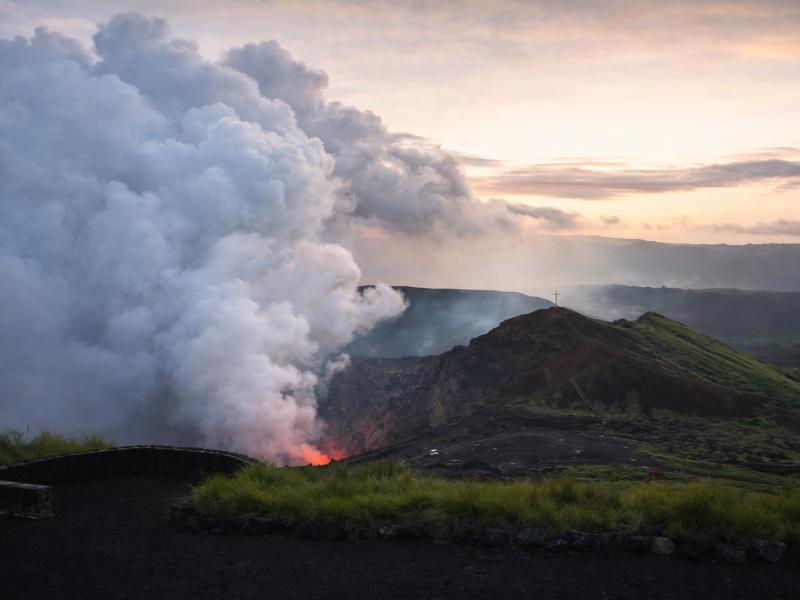
Our most popular Masaya Volcano tours take you right to the edge of the active Santiago crater for views of glowing lava lakes at night or steaming vents by day, with short guided walks through lava tunnels and bat caves.
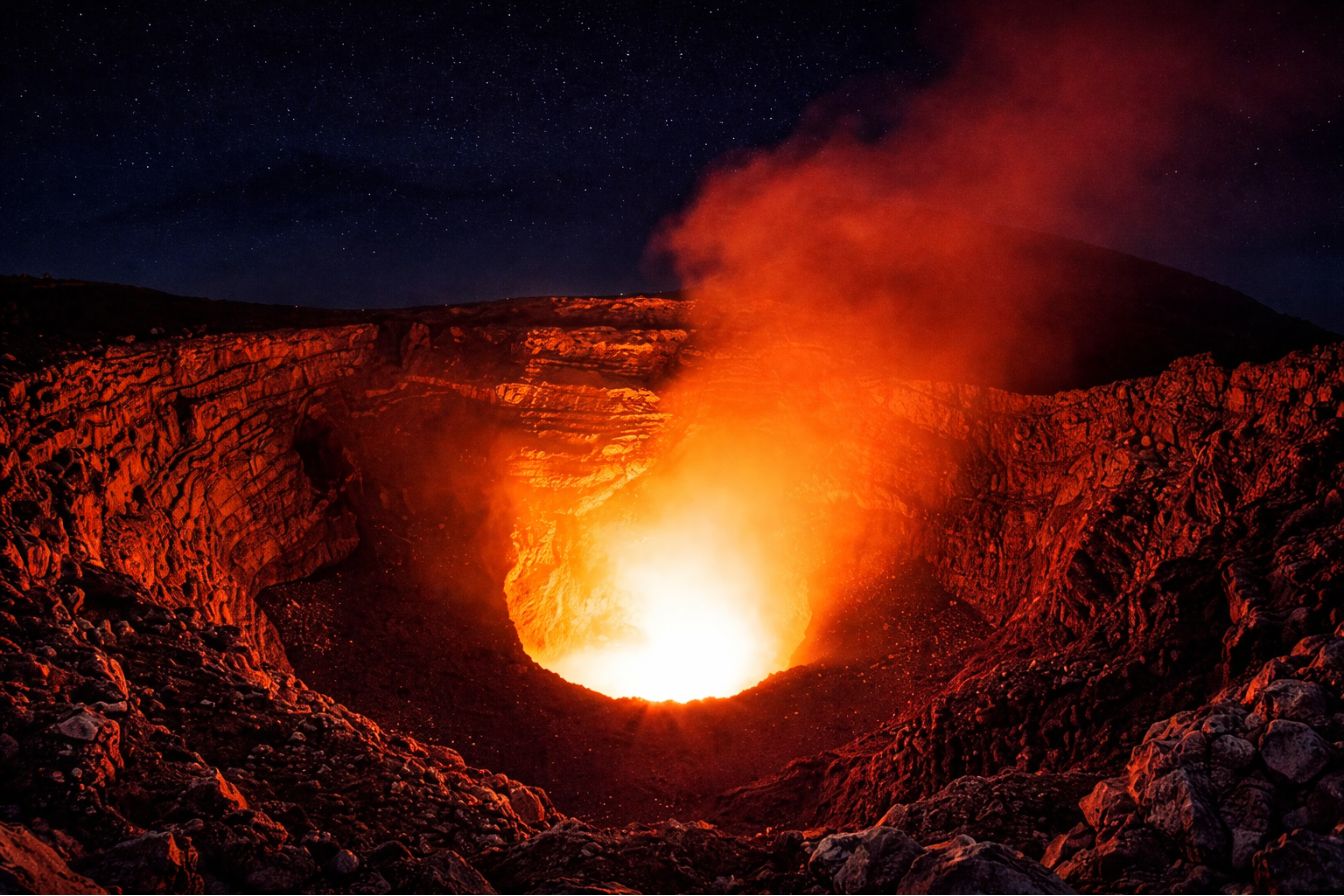
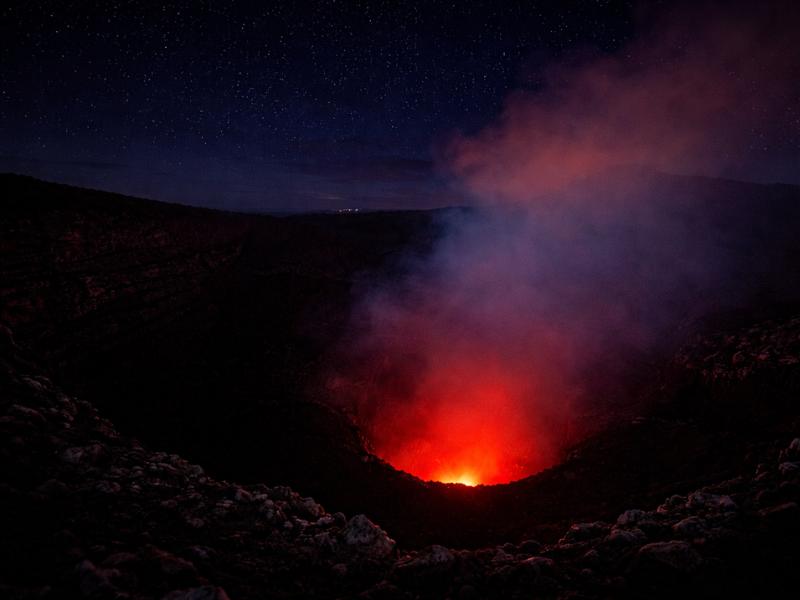
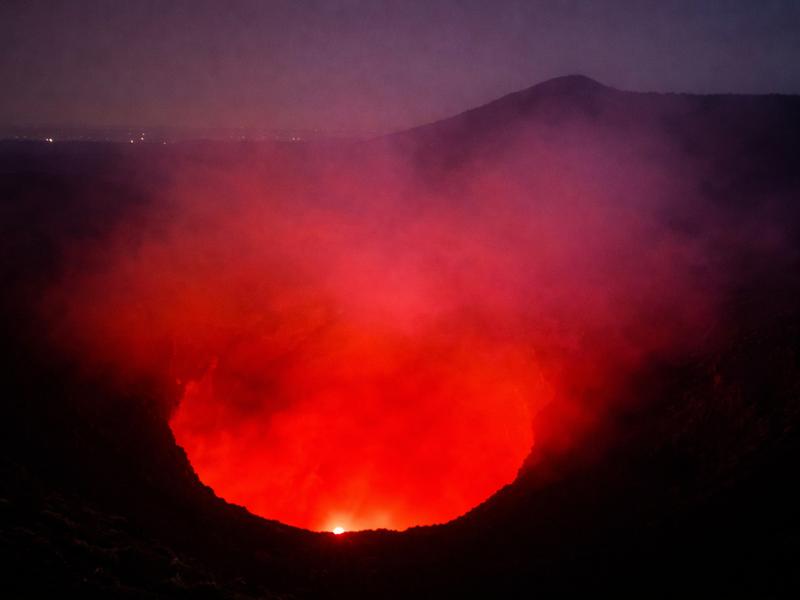
Masaya’s active crater glows red at night, and this evening tour drives you straight to the rim for close-up views of bubbling lava. Your guide shares insights into the volcano’s history and geology while you watch the fiery spectacle. Hotel pickup/drop-off included, entrance fees covered – no extra costs or logistics.
Masaya, Nicaragua’s smallest yet vibrant department, blends natural wonders and cultural heritage. Visit Masaya Volcano National Park to see the active smoking crater and dormant one, plus the park museum. Explore Mercado de Artesanía for ceramics, hammocks, jewelry, cigars, and leather crafts. Drive to serene Catarina for panoramic views of Apoyo Crater Lake, then San Juan de Oriente for pottery and ceramics.
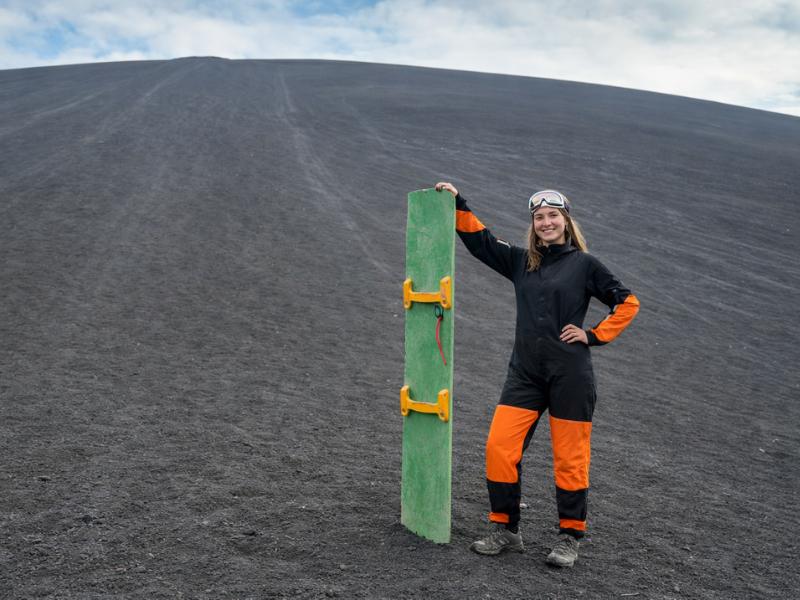
Cerro Negro, Central America’s youngest active volcano (last erupted 1999), offers the world’s only volcano boarding adventure. Strap on a board and slide 728 meters down steep ash slopes for an exhilarating rush. Monitored for safety, this private tour is customizable and suits moderate fitness levels.
This full-day adventure blends colonial charm, lake nature, and volcanic thrill. Explore Granada’s historic center and main cathedral, climb La Merced Church bell tower for panoramic city views, stroll La Calzada street for lunch options. Boat to Las Isletas for Monkey Island, San Pablo fortress, and wildlife photos. End at Masaya Volcano National Park to see glowing lava at Santiago Crater and sunset from the rim.
Masaya Volcano glows red at night, and this economical evening tour drives you to the crater rim for close-up lava views after a Visitors Center stop on its history. Then kayak the serene Apoyo Lagoon, a volcanic crater lake with clear waters. Pickup/drop-off from Granada, Masaya, or Managua hotels included – pay your own entrance fee for best value.
Masaya Volcano’s glowing lava crater is mesmerizing at night, and this private tour takes you right to the edge for safe, close-up views of the orange “Gates of Hell.” Your guide shares the volcano’s dark history of indigenous sacrifices and explains the lava belt. Private hotel transfer and commentary included – an intense, unforgettable glimpse into Nicaragua’s fiery natural wonder.
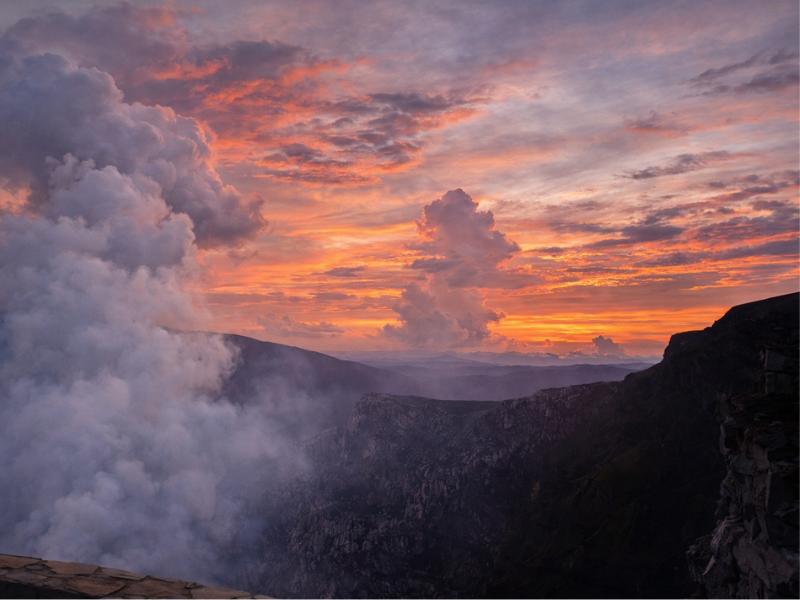
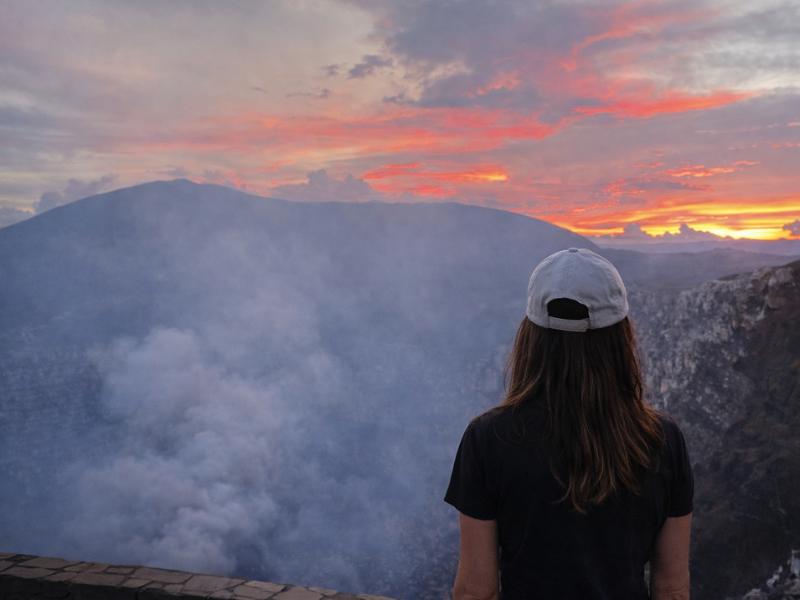
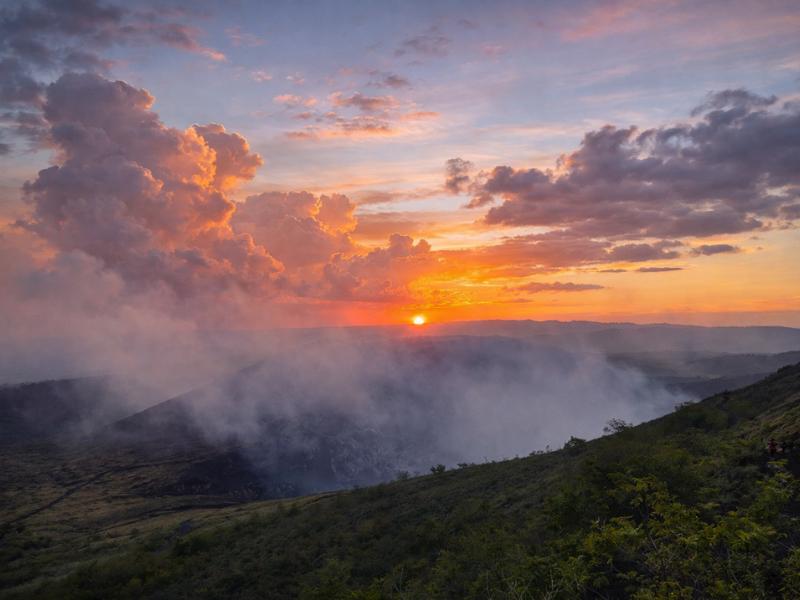
Just 20 minutes from Granada in Nicaragua, Masaya Volcano National Park gives you easy, close-up access to one of the world's most active volcanoes—its glowing lava lake burns bright in the main crater at night, steam rises constantly, and the smell of sulfur hits you the moment you step out of the car. Drive right up to the Santiago Crater rim for dramatic views into the smoking pit, walk short trails to viewpoints over lava fields and bat-filled caves, or stand at the lookout as the sun sets and the molten glow intensifies against the darkening sky. It's raw, accessible adventure with that thrilling edge of standing near something alive and unpredictable. With Masaya Volcano Tours, you'll time your visit for the best light (sunset or after dark), get expert guides explaining the geology and history, explore underground lava tunnels like Cueva del Murciélago, and pair it with nearby Granada or Catarina viewpoints for a perfect half-day escape from the city.
Our expert team has been helping navigate and book Masaya Volcano tours and activities for tourists from all over the world for over a decade, ensuring you have a hassle-free trip with everything booked in advance.
With deep knowledge of Nicaragua’s active volcanoes, Masaya’s fiery craters, and Pacific volcanic landscapes, partnerships with the best local guides and operators, and a passion for creating unforgettable experiences, we're committed to making your Masaya Volcano adventure truly extraordinary. From your first inquiry to your last tour, we're here to support you every step of the way.
Award-Winning Travel Experience
Masaya Volcano Tours is recognized by leading travel platforms worldwide
Nicaragua Masaya Excellence Award2024
Volcano Explorer Choice Award2025
Best Masaya Volcano Tour Operator2023
Pacific Volcanic Belt Sustainable Tourism Award2024
Active Crater & Lava Heritage Verified Excellence2025
Masaya Volcano travel guides & questions
Everything to plan a trip to Masaya Volcano: the national park, volcano boarding at Cerro Negro, how to get there from Granada and Managua, the best time to see the lava, hikes and trails, plus the questions travellers ask most.
The easiest and most common way to get to Masaya Volcano (Volcán Masaya National Park) from Managua is by private taxi or transfer — it takes about 30–45 minutes and costs USD 20–40 one-way (2025–2026 prices).
The park is only ~20–25 km southeast of Managua, on the main highway to Granada (Carretera a Masaya). Taxis are plentiful in Managua (from the airport, hotels in Zona Hipódromo or Zona Rosa, or downtown) — negotiate upfront or use a hotel-arranged driver for reliability. Many visitors book a private driver for the round-trip (~USD 40–80 total, including waiting time).
Alternative options:
Public bus/colectivo: Take a bus from Mercado Roberto Huembes or Terminal de Buses del Mercado Mayoreo to Masaya city (~45 min–1 hour, ~C$20–50 / ~$0.50–1.50 USD). From Masaya town, take a local taxi or moto-taxi to the park entrance (~10–15 min, C$50–100 / ~$1.50–3 USD). Total time: ~1–1.5 hours each way. Pros: Very cheap. Cons: Less comfortable, no direct drop-off at the park, fixed schedules.
Rental car: ~30–45 min drive via Carretera a Masaya — flexible, but parking at the park is limited, and roads can have traffic near Managua.
Shared shuttle: Some hostels/hotels in Managua offer shared minivans (~USD 15–25 pp round-trip) — convenient but less frequent.
The private taxi/transfer is the best independent option — fast, direct to the park entrance, and safe for tourists.
You can book highly rated Masaya Volcano day tours from Managua (with round-trip transport, expert guide, park fees, and volcano crater access) at Masaya Volcano Tours.
Can I visit Masaya Volcano as a day trip from Granada?
Yes, Masaya Volcano is an easy and popular day trip from Granada — the distance is only about 20–30 km (12–19 miles) northwest, and the drive takes 30–45 minutes each way on paved roads (Carretera a Masaya).
Most visitors do it as a half-day or full-day excursion from Granada, with plenty of time to see the main highlights:
Santiago Crater (active lava lake viewpoint from the parking area — often glowing at night, but daytime views are still impressive).
Volcán Masaya National Park entrance and trails (short walks to viewpoints, bat cave if open).
Laguna de Masaya (scenic lake viewpoint on the way).
How to do it independently:
Taxi/private transfer: ~$20–40 USD round-trip (negotiate upfront or book through your hotel in Granada). Driver waits or you arrange pickup time.
Public bus/colectivo: From Granada’s main bus terminal to Masaya town (~30–45 min, ~C$20–50 / ~$0.50–1.50 USD), then taxi or moto-taxi to the park entrance (~10–15 min, C$50–100 / ~$1.50–3 USD). Less convenient but very cheap.
Rental car: ~30–45 min drive — flexible, but parking at the crater viewpoint is limited (~C$50–100).
Typical day trip timing:
Depart Granada early (8:00–9:00 AM) to avoid midday heat.
Spend 2–4 hours in the park (crater viewpoints, short trails, photos).
Return to Granada by early afternoon (~1:00–3:00 PM) — leaving time for Granada’s colonial center or Lake Nicaragua.
Pros:
Short travel time — very doable as a half-day trip.
Affordable (~$20–50 total for transport + park entry ~C$200 / ~$5 USD).
Combines well with Granada sightseeing.
Cons:
Can be hot midday (especially March–May) — arrive early.
Crowds peak at the crater viewpoint around 11:00 AM–2:00 PM (tour groups from Managua/Granada).
Verdict: Yes — a day trip (or even half-day) from Granada is perfect for Masaya Volcano — quick, scenic, and one of the easiest volcano experiences in Nicaragua.
You can book highly rated Masaya Volcano day tours from Granada (with round-trip transport, expert guide, park fees, and crater viewpoints) at /.
The park is open to the public daily (usually 9:00 AM–5:30 PM), and the entrance fee (~C$200–300 for foreigners in 2026) is paid at the gate. You drive or take a taxi to the parking area near the Santiago Crater, walk a short path to the viewing platform, and look down into the active crater (often with visible lava glow, fumes, and steam). The main crater viewpoint, bat cave (if open), and some short trails are freely accessible without a guide.
When a guide is highly recommended or required:
Night tours (to see lava glow) — these are often guided only (for safety in darkness).
Hiking deeper trails (e.g., to the old crater rim or lava tubes) — some areas require a park ranger or licensed guide.
First-time visitors — a guide explains the geology, volcanic activity, history (e.g., the lava lake), and safety rules (fumes can be strong).
Verdict
Independent is fine for the main crater viewpoint — quick, easy, and no guide needed (most people do this).
Guided is worth it for night visits, deeper trails, or learning more about the volcano’s activity and history.
You can book private or small-group guided Masaya Volcano tours from Managua/Granada (with transport, expert guide, park fees, and crater/lava views) at Masaya Volcano Tours.
How does lava viewing work at Masaya Volcano crater rim?
Lava viewing at Masaya Volcano (Volcán Masaya) happens from the Santiago Crater rim viewpoint — a safe, fenced platform built right at the edge of the active crater, allowing you to look straight down into the lava lake when it is active.
Here’s how it works in 2025–2026:
Access — You drive or take a tour vehicle up to the parking area near the crater rim (short walk or drive from the park entrance). The viewpoint is a concrete platform with railings — no climbing or hiking required.
Viewing — During active periods (when the lava lake is present), you see glowing molten lava, bubbling, and fumes/steam rising from the crater floor (~100–200 m below). The glow is visible even in daylight but is dramatically brighter at dusk, night, or early morning.
Best time —
Sunset or after dark — the lava glow is most vivid against the darkening sky (many tours time visits for late afternoon/evening).
Night tours — some operators offer special evening/night visits specifically for the glowing lava lake (highly recommended when active).
Activity status — The lava lake is intermittent — it was visible in 2024–2025, but activity fluctuates. Check INETER (Nicaragua’s geological institute) or tour operators for current status before visiting — if no lava lake, you still see fumaroles, steam vents, and the dramatic crater.
Safety — The rim is fenced, guides warn about toxic fumes (sulfur dioxide — stay upwind), and visits are limited to the platform. No descending into the crater or off-trail walking.
Verdict
If the lava lake is active, viewing from the crater rim is one of the most impressive volcanic experiences in Central America — glowing orange-red lava visible from a safe distance.
Even without lava, the massive crater, fumes, and views are worth it — but the glow makes night visits unforgettable.
You can book highly rated Masaya Volcano day or night tours from Managua/Granada (with transport, expert guide, park fees, and crater rim lava viewing) at /.
Best time of day for Masaya Volcano tours to see glowing lava?
The best time of day for Masaya Volcano tours to see glowing lava is late afternoon to night, ideally starting between 3:00 PM and 5:00 PM (or specifically the sunset/night tours offered by most operators).
Here’s why late afternoon/night is the clear winner in 2025–2026:
The lava lake in Santiago Crater is active intermittently (visible glow from magma in the crater floor), but the bright orange-red glow is much more vivid and dramatic after sunset when the sky darkens. Daytime visits show steam, fumes, and some red/orange color, but the true glowing effect shines at dusk/night.
Most operators run sunset lava tours (depart Managua/Granada ~3:00–4:00 PM, arrive park ~4:30–5:30 PM) — you watch the sunset from the crater rim viewpoint, then stay for the darkening sky when the lava glow intensifies (often peaking 6:00–8:00 PM).
Early evening/night tours maximize the glow — the contrast against the dark sky makes the molten lava look like fire in the crater.
Crowds are lower in late afternoon/evening — most day visitors leave by 3:00–4:00 PM, so the rim platform feels more peaceful for photos and viewing.
Avoid midday (10:00 AM–3:00 PM) for glowing lava — the bright sunlight washes out the red/orange color, and you mainly see steam/fumes with only faint glow.
Quick tip: Book a sunset/night lava tour from Managua or Granada — operators time it perfectly for the glow, provide flashlights/headlamps for the dark path, and often include hot drinks. Check current lava activity before booking (INETER updates or tour operator) — if the lava lake is low/inactive, the glow is fainter or absent.
You can book highly rated sunset/night lava viewing tours to Masaya Volcano from Managua/Granada (with transport, expert guide, park fees, and crater rim access) at Masaya Volcano Tours.
Is Masaya Volcano active and safe right now?
As of February 17, 2026, Masaya Volcano (Volcán Masaya) is active — the Santiago Crater has an ongoing lava lake at a low level with visible glow, persistent degassing (fumaroles and steam vents), and occasional small explosions or ash emissions (typical for its current state).
Activity status: Low to moderate — lava lake present but not overflowing, no major eruptions or evacuations reported recently. INETER (Nicaragua's geological institute) monitors it closely and keeps the alert level at yellow (active but stable).
Lava glow visibility: Still visible from the crater rim viewpoint, especially at dusk/night — many tours time visits for sunset/early evening to see the orange-red glow clearly.
Safety right now:
The volcano is safe to visit for standard day/night tours — the crater rim viewing platform is fenced, elevated, and ~100–200 m above the lava lake, with no direct exposure to lava or major hazards.
Toxic gases (sulfur dioxide) are present — stay upwind as guided, limit time if sensitive to fumes (short visits ~15–30 minutes are standard).
Park rangers and guides enforce safety rules — no descending into the crater, no off-trail walking, and tours are canceled only in extreme conditions (rare).
No recent incidents or closures reported — thousands visit safely every month.
Verdict
Active — yes, with visible lava glow (best at night).
Safe — yes, from the rim viewpoint with guided tours — follow guide instructions and avoid fumes.
You can book highly rated Masaya Volcano day or night tours from Managua/Granada (with transport, expert guide, park fees, and crater rim lava viewing) at /. Always check INETER updates or with your tour operator for the latest status before going.
Best month for Masaya Volcano tours – dry season or shoulder?
The dry season (especially January to April) is the best time for Masaya Volcano tours — it offers the most reliable clear weather, highest chance of seeing the glowing lava lake, and comfortable conditions for crater rim viewing.
Here’s the clear comparison for 2025–2026:
Dry season (January–April)
Weather: Sunny, dry days (28–34°C / 82–93°F), low humidity, minimal rain — ideal for clear views into Santiago Crater and vivid lava glow at dusk/night. Roads are dry and accessible, no mud or delays.
Lava visibility: Highest chance of strong glow — the lava lake is more active and visible during dry periods (fumes less obscured by clouds). Sunset/night tours are spectacular.
Crowds: Moderate — busy but not overwhelming (fewer people than Costa Rica or Guatemala peaks).
Best months: February–March — driest, clearest skies, comfortable temps, and good lava activity. January is excellent but slightly busier post-holidays.
Shoulder season (May–June & October–November)
Weather: Transition months — May/June: rain starts increasing (short afternoon showers), October/November: rain easing but still possible. Temps warm (30–35°C), humid.
Lava visibility: Good but less reliable — clouds/rain can obscure the glow on some days.
Crowds: Lower — fewer tourists, easier parking at the crater rim, shorter waits at viewpoints.
Best months: October–November — still decent weather, very low crowds, and prices drop slightly.
Verdict
Choose dry season (especially February–March) for the best overall experience — clearest lava glow, most reliable weather, and comfortable crater viewing. This is when most visitors go and when the volcano’s activity is easiest to appreciate.
Choose shoulder season (October–November) if you want fewer crowds, lower prices, and don’t mind occasional rain — still good for lava viewing on clear nights.
You can book highly rated Masaya Volcano day or night tours from Managua/Granada (with transport, expert guide, park fees, and crater rim lava viewing — ideal for February–March’s clear conditions) at Masaya Volcano Tours.
What should I pack for a Masaya Volcano day or night tour?
Pack light, breathable layers with strong sun/fume protection — Masaya Volcano is hot (28–35°C daytime), exposed at the crater rim, with sulfur fumes (daytime tours) and cooler nights (night tours) plus wind on the rim.
Essential items:
Comfortable walking shoes or sturdy trainers with good grip — short paths to the crater rim viewpoint are paved but can be dusty/uneven (no flip-flops or heels).
Lightweight long pants or quick-dry shorts + t-shirt or rash guard (breathable, protects from sun/fumes at the rim).
Light jacket or long-sleeve layer (cooler evenings/night tours, wind at the rim, air-conditioned van).
Wide-brim hat or cap + polarized sunglasses — intense UV even on cloudy days.
High-SPF waterproof sunscreen (reapply often — reflection off volcanic rock intensifies burn).
Lip balm with SPF.
Small microfiber towel (for sweat or wiping face after fume exposure).
Reusable water bottle (1–1.5 L — stay hydrated; tours provide some water but bring extra).
Small daypack or cross-body bag (hands-free for water, phone, snacks).
Cash in small bills (C$50–200 notes) — for tips to guide/driver (~C$100–200 total), souvenirs, or extras.
Basic first-aid (band-aids, painkillers for headaches from fumes/altitude, personal meds).
Mask or buff (optional but useful for sulfur fumes at the rim — can be strong and irritating).
Night tour extras:
Headlamp or small flashlight + extra batteries (dark paths to the rim after sunset).
Extra warm layer (fleece or puffy jacket) — nights cool quickly (18–24°C).
Warm hat/gloves (wind chill at the rim).
Pack light — tours use air-conditioned vans with space. Focus on sun/fume protection, comfortable shoes, and layers for temperature changes (hot day to cooler night).
You can book highly rated Masaya Volcano day or night tours from Managua/Granada (with transport, expert guide, park fees, and crater rim lava viewing) at /.
Are kids allowed on Masaya Volcano tours and rim viewing?
Yes, kids of all ages are allowed on Masaya Volcano tours and crater rim viewing — there are no minimum age restrictions for standard day or night tours from Managua or Granada in 2025–2026.
Most operators welcome families and consider the tour suitable for children:
Transport — Private or small-group vans/minibuses are comfortable and air-conditioned — kids ride safely with parents.
Crater rim viewing — The fenced platform is safe and accessible (short walk from parking, no long hikes or climbing required). Kids can look down into the active crater (lava lake/glow) with adult supervision.
Safety — Life jackets not needed (no boat), but guides keep groups together, warn about sulfur fumes (stay upwind), and limit time at the rim if fumes are strong (usually 15–30 minutes).
Night tours (for lava glow) — All ages welcome — the dark path to the rim is guided with flashlights/headlamps, and the experience is exciting for kids (glowing lava looks like fire).
Practical tips for families:
Bring snacks for picky eaters (lunch is usually included on full-day tours).
Sun protection (hats, high-SPF sunscreen) and light jackets (cooler evenings/night tours).
Private tours offer the most flexibility for very young children (adjust pacing, more breaks, or skip long rim time if needed).
Fumes can be irritating — sensitive kids may need a mask/buff for the rim.
Families consistently rate Masaya Volcano tours as great for kids — the lava glow (night) and dramatic crater views are big hits.
You can book highly rated Masaya Volcano day or night tours from Managua/Granada (with private or small-group options, child-friendly pacing, transport, expert guide, and park fees) at Masaya Volcano Tours.
Is Masaya Volcano safe for solo travelers on day tours?
Yes, Masaya Volcano is very safe for solo travelers on day tours — it is one of the safest and most accessible active volcano sites in Central America, with low crime risk and strong safety protocols in 2025–2026.
Key reasons it’s safe for solo visitors (including solo women):
Professional operators — reputable tour companies (high ratings on Viator, GetYourGuide, or direct sites) use licensed drivers/guides, air-conditioned vans, and follow Nicaraguan safety rules — life jackets not needed (no boat), but guides carry first-aid, monitor fumes, and keep groups together at the crater rim.
Group setting — small-group tours (4–12 people) or private tours mean you’re never alone — most solo travelers find it easy to chat with others and feel secure.
Site safety — The crater rim viewpoint is fenced, elevated, and patrolled by park rangers — no climbing or off-trail walking allowed. Fumes (sulfur dioxide) are present but managed — guides warn to stay upwind and limit time (~15–30 min) if sensitive.
Low crime — Violent incidents or theft targeting tourists are extremely rare — the park is isolated from urban areas, with security presence and no significant reports of harassment.
Solo female feedback — Solo women consistently report feeling completely comfortable — guides are respectful/professional, the atmosphere is family-oriented, and the short visit (2–4 hours on-site) feels safe and low-stress.
Practical tips for solo travelers:
Book with reputable operators — they have insurance and emergency protocols.
Choose private or small-group tours — more personal attention and flexibility.
Share tour details (operator, guide name, return time) with someone.
Keep phone charged and in a secure pocket.
Carry minimal valuables — use a money belt or hotel safe.
Overall verdict: Masaya Volcano day tours are very safe for solo travelers — the short duration, guided nature, fenced viewpoint, and low-risk environment make it one of the easiest and most stress-free solo excursions in Nicaragua.
You can book private or small-group Masaya Volcano day/night tours from Managua/Granada (with transport, expert guide, park fees, and crater rim lava viewing — solo-friendly with group company) at /.
Best way to see parakeets or bats during Masaya Volcano tours?
The best way to see parakeets or bats during Masaya Volcano tours is to visit the bat cave (Cueva de Murciélagos) on the crater rim loop — it's a short, easy side trail from the main Santiago Crater viewing platform, and it's included in most standard day or night tours.
Parakeets
Chance: High — hundreds of orange-fronted parakeets (conures) live in the crater walls and fly in/out of crevices throughout the day.
Best way: Look down into the crater from the rim platform — they’re noisy and colorful, often circling in flocks. Morning and late afternoon are peak activity times (they feed and return to nests).
Tip: Bring binoculars — they perch high on the cliffs.
Bats
Chance: Very high (90–100% on tours that include the bat cave).
Best way: Walk the short path to the bat cave entrance (5–10 minutes from the crater rim parking). It’s a small lava tube where thousands of bats roost — you see them hanging, flying in/out, and hear their calls.
Best time: Late afternoon/evening or night tours — bats are more active at dusk when they emerge to feed (spectacular exodus at sunset). Day tours see them roosting quietly inside the cave.
Tip: Use a headlamp/flashlight (guides provide) — the cave is dark but safe (short, fenced path).
How to maximize sightings:
Book a sunset or night tour — bats emerge at dusk, parakeets are active late day, and the lava glow (if present) adds drama.
Choose small-group or private tours — more time at the bat cave and rim, better guide attention for spotting.
Early morning or late afternoon — parakeets are busiest, fewer people at viewpoints.
Verdict
Bats → almost guaranteed at the bat cave, especially on late/sunset/night tours.
Parakeets → very likely from the crater rim any time, but best late day.
Both are easy add-ons to any tour — the bat cave and rim platform are included in standard visits.
You can book highly rated Masaya Volcano day or night tours from Managua/Granada (with crater rim viewing, bat cave access, guide, transport, and park fees) at Masaya Volcano Tours.
What etiquette or rules apply at Masaya Volcano viewpoints?
At Masaya Volcano (Volcán Masaya) viewpoints, especially the Santiago Crater rim platform, the following etiquette and rules apply in 2025–2026 to ensure safety, preservation, and respect for the site:
Stay on designated paths and platforms — Do not go beyond the fenced viewing area or railings at the crater rim — the edges are unstable, fumes are toxic close up, and off-trail walking is prohibited (enforced by rangers).
Do not throw anything into the crater — No trash, rocks, food, or objects — the active lava lake and fumes make it dangerous and damaging.
Limit time at the rim if fumes are strong — Sulfur dioxide gas can irritate eyes/throat — stay upwind, keep exposure short (15–30 minutes max), and leave if you feel discomfort (guides monitor this).
No smoking or open flames — Volcanic gases are flammable in high concentrations — strictly forbidden.
Quiet and respectful behavior — The site is a natural wonder and sacred to some locals — no loud music, shouting, or disruptive actions.
No food or drinks (except water) at the rim — to prevent litter and respect the environment.
Photography rules — Drones are prohibited without special permit. Flash photography is allowed but avoid shining lights directly into the crater at night (disorients wildlife/bats).
Follow guide/ranger instructions — On guided tours, stay with your group, follow the guide’s path, and heed any warnings about gas levels or sudden activity changes.
Dress comfortably but safely — Closed-toe shoes (paths can be uneven), light layers (windy at rim), and avoid loose clothing/items that could blow away.
The site is heavily patrolled by park rangers — rules are enforced to protect visitors and the volcano’s fragile ecosystem. Violations can lead to removal from the site.
You can book highly rated Masaya Volcano day or night tours from Managua/Granada (with expert guide who explains rules, transport, park fees, and crater rim viewing) at /.
A Typical Tour Day at Masaya Volcano
One day at Masaya Volcano, hour by hour, the way the guided tours actually run it.
9:00 amHotel pickup in Granada or Managua
9:30 amArrive Masaya Volcano National Park, visitor center
9:45 amLava field trail, Cueva del Murciélago bat cave
10:45 amDrive to Santiago Crater rim, daytime view
12:30 pmLunch in Masaya town or Catarina
2:00 pmMercado de Artesanía, crafts and hammocks
3:30 pmReturn to hotel for rest
6:00 pmReturn to Santiago Crater for sunset and nighttime glow
7:30 pmReturn to hotel
11:30 am — Catarina viewpoint, Apoyo Crater Lake panorama
Masaya is one of the most accessible active volcanoes on earth. The road leads directly to the Santiago Crater rim and you park and step out twenty meters from the edge. There is no significant hike, no altitude challenge, no physical preparation required. What there is instead is the immediate presence of an open lava lake at the bottom of a crater that sits below the parking area like an industrial furnace, visible in daylight as a steaming vent surrounded by sulfur-yellow rock and visible at night as a glowing orange circle that changes size and intensity depending on the current activity level. The Spanish colonizers who first encountered it in the 16th century called it the mouth of hell. The guides at Masaya Volcano Tours explain the geology and the history with equal weight, because both are accurate descriptions of the same phenomenon.
The daytime visit and the nighttime visit are different enough that Masaya Volcano Tours structures the full-day experience to include both. In daylight the crater is a geological object: the scale is readable, the rock formations visible, the steam plumes trackable as they move across the crater floor. In darkness the same crater becomes something entirely different. The lava glow illuminates the plume from below, the entire crater lighting up in orange and red against the black sky, and the guides cut the vehicle engines and the lights at the rim to let the natural glow establish itself without competition. Clients who have visited active volcanoes elsewhere consistently say the combination of accessibility and active lava makes Masaya more immediate than anything requiring a multi-day approach.
Here is what we tell clients honestly before the crater visit: the sulfur dioxide emissions are real and variable. On some days the wind carries them away from the viewing area and the visit is entirely comfortable. On days when the wind shifts, the sulfur becomes uncomfortable for eyes and airways within a few minutes. The park authority monitors conditions and closes the crater access when emission levels exceed safe thresholds, which happens periodically and without much warning. Masaya Volcano Tours guides monitor conditions before departure and provide context on the day’s conditions, but closures are possible and the guides respond by extending other parts of the itinerary rather than canceling the experience entirely. Clients who carry inhaler medication or have respiratory sensitivities should mention it when booking.
The Cueva del Murciélago, the bat cave in the lava tunnel system below the main crater area, provides the underground counterpart to the crater view. The tunnel formed when the outer shell of a lava flow cooled and solidified while the molten interior drained away, leaving a hollow tube. Thousands of bats roost in the ceiling of the cave and emerge at dusk in a swirling column that can last twenty minutes, which the guides time the visit around when conditions allow. The cave is cool, visually disorienting in the dark, and one of those experiences that clients who have never entered a lava tube find genuinely unlike anything they expected to encounter inside a national park. The guides explain the bat species, their relationship to the volcanic cave environment, and the acoustic navigation they use in a space where echolocation is tested by irregular surfaces.
The Catarina viewpoint and the Apoyo Crater Lake below it provide the mid-day context that the volcano alone cannot. Apoyo is a 200-meter-deep crater lake sitting in the caldera of an extinct volcano, the water a deep blue-green visible from the rim at Catarina 600 meters above. The Masaya town crafts market and the White Villages of Catarina and San Juan de Oriente demonstrate that this stretch of Nicaragua between Lake Apoyo and Lake Nicaragua is the densest concentration of cultural production in the country, ceramics and hammocks and cigars and leather made by the same families in the same towns for generations. By the time Masaya Volcano Tours returns clients to their hotels after the evening crater glow, the day has moved from volcanic geology through colonial cultural production to living lava, which is precisely the range this part of Nicaragua offers.
Average Tour Prices at Masaya Volcano, Nicaragua
Tap a column heading to sort.
Prices below are what you’ll pay when booking through verified operators online. They are current as of early 2026. Masaya Volcano National Park is approximately 20 km southeast of Managua and 20 km northwest of Granada, making it one of the most accessible active volcanoes anywhere in the world. The park’s Santiago Crater contains a persistent lava lake that glows visibly at night and occasionally produces lava flows and eruptions; the crater can be approached to within metres by vehicle and on foot along a short paved path. Park entry fees are paid separately at the gate (approximately $4 to $5 USD). The nearest international airport is Augusto C. Sandino International Airport in Managua (MGA). Nicaragua is among the most affordable destinations in Central America; all prices below are in USD. The park is open year-round; the night experience is the primary draw for most visitors as the lava glow is dramatically more vivid after dark.
Masaya Volcano Tours: What Each Experience Costs Online
Park entry fee (~$4 to $5 USD) is paid separately at the gate and is not included in tour prices unless the listing specifically states otherwise; confirm before booking. Hotel pickup from Managua, Granada, and Masaya is included on all tours. The Apoyo Lagoon kayaking tour pairs the volcano evening visit with daytime kayaking at Laguna de Apoyo, a pristine volcanic crater lake adjacent to the park. The Cerro Negro volcano boarding tour departs from León, approximately 90 km northwest of Managua; it is a separate volcano and the world’s only destination offering sandboard-style descent down active volcanic ash slopes at up to 80 km/h.
Online vs. Independent Taxi from Managua or Granada vs. Hostel-Arranged Tour: How Booking Method Affects What You Get
Book Online in Advance (via verified operators like Masaya Volcano Tours)
$62 to $75 for group day and night tours; $98 for private night tour; $198 for volcano boarding
Low: hotel pickup confirmed, guide assigned, park entry logistics managed, night tour departure timed for best lava visibility; the night tour at $75 and the private night version at $98 are the most popular formats and fill during peak travel months (December to April); free cancellation available on most tours 24 hours ahead; tour proceeds even in light rain as the volcano and crater remain accessible year-round
Independent Taxi + Self-Guided Visit (private taxi from Managua or Granada to the park gate, pay entry fee, explore without guide)
Taxi round-trip approximately $20 to $40 USD; park entry ~$5 USD; guide hired at gate optional
Low to Medium: reaching Masaya Volcano independently is entirely practical and the park is well-managed with paved access to the crater rim; the Santiago Crater viewpoint requires no guiding to reach; the additional value a guide adds is geological and historical context, cave access, and timing knowledge for night lava viewing; for the night tour specifically, guides know which part of the crater rim produces the best lava visibility depending on wind direction and current activity levels
Hostel or Budget Guesthouse in Granada or Managua (arrange tour through accommodation)
Typically comparable to or slightly above direct online rates
Low logistics: Nicaragua’s hostel scene in Granada and León is active and well-connected to local tour operators; Masaya Volcano day and night trips arranged through a hostel are generally the same quality and similar pricing to direct booking; the convenience for backpackers managing multiple-day itineraries through hostels makes this a practical default
The Honest Case for Booking with Masaya Volcano Tours in Advance
Masaya Volcano is one of the most accessible active lava lakes in the world, and this accessibility is the thing worth stressing clearly. Most visitors who see an active lava lake do so by hiking for several hours, taking a helicopter, or crossing difficult terrain; at Masaya you drive to within 50 metres of the crater rim and step out of the vehicle. The Santiago Crater’s persistent lava lake has been active for decades, making it one of the most reliably viewable volcanic features on earth. The $75 night tour provides the optimal version of this: driving to the rim after dark when the orange glow is dramatically visible, with a guide explaining the history that includes the Spanish colonial cross planted at the crater rim to exorcise what they believed to be the mouth of hell (earning it the local name Las Bocas del Infierno), and the indigenous Chorotega tradition of offering human sacrifices here before the Spanish arrived.
The Apoyo Lagoon combination at $62 is the best-value full-day option for visitors based in Granada or Masaya who want more than two hours of activity. Laguna de Apoyo is a dormant volcanic crater lake 200 metres deep with remarkably clear, warm freshwater sitting in a bowl of forested crater walls; it is regularly described by visitors as one of the most beautiful places in Nicaragua and is undervisited relative to its quality. Pairing an afternoon of kayaking on the lagoon with the evening volcano visit creates a genuinely full and varied day for $62 per person, which in the context of Nicaraguan tourism pricing represents very strong value.
The volcano boarding tour at $198 at Cerro Negro requires a separate mention because it is a categorically different experience from the Masaya crater visit. Cerro Negro is a young, steep-sided cinder cone 60 metres high with loose black volcanic ash on its slopes; volcano boarding involves carrying a plywood board to the summit and descending at speed while wearing a jumpsuit and goggles. It is the only place in the world where this activity exists commercially, and while it sounds extreme, the speeds are manageable (typically 30 to 80 km/h depending on technique and courage) and the falls, which happen, land in soft ash. For visitors transiting through León or including it in a wider Nicaragua itinerary, it is one of the more singular activities available in Central America.
How to Visit Masaya Volcano
Masaya is one of the most accessible active volcanoes on the planet. The road goes almost to the crater rim, there is a fenced viewing platform where you can look directly into the Santiago Crater, and the whole visit takes a few hours rather than a full day’s expedition. What makes it genuinely worth the trip is that the volcano is actually active: the lava lake glows in the crater below, sulfur fumes rise in visible plumes, and the combination of geological scale and physical proximity produces the specific kind of discomfort that people tend to remember for a long time. Here is what the team at Masaya Volcano Tours tells first-timers when they reach out.
1
Base yourself in Granada or Managua, both of which place the park within easy reach.
Granada sits about 25 kilometres southeast of the park entrance and is the more pleasant base for most visitors: a colonial city with good hotels, restaurants, and a relaxed atmosphere that suits a few days of regional exploration. The drive from Granada to the park gate takes around 30 to 45 minutes. Managua is slightly further, around 20 to 25 kilometres northwest, and offers more accommodation options at the airport-corridor price range. Taxis and private drivers from either city handle the round trip for 20 to 60 US dollars depending on whether you want the driver to wait. The Carretera a Masaya connecting both cities passes the park entrance and is a good, paved road.
2
Go at sunset or after dark to see the lava glow.
This is the central piece of advice for Masaya Volcano and the one that most determines whether the visit is memorable or merely interesting. The lava lake in the Santiago Crater is visible in daylight as a dark, steaming pit with occasional glimpses of orange, but as the sky darkens from late afternoon through evening the molten rock begins to glow visibly against the crater walls, eventually producing a vivid orange-red illumination that reflects off the rising gas clouds. Arriving at the rim around 5 PM and staying until full dark gives you both the sunset light on the volcanic landscape and the intensifying glow as visibility conditions improve. Tours timed specifically for this window are consistently the most highly rated.
3
The crater viewing is done from a fenced platform at the rim, not from a trail below.
The road inside the park drives almost to the edge of the active Santiago Crater, and from the parking area it is a short walk to the fenced viewing platform. You look straight down from a safe distance of around a hundred to two hundred metres above the active crater floor. Fumes rise and drift, the heat is perceptible on warm evenings, and the scale of the pit is considerably larger than most first-timers expect. Stay upwind: sulfur dioxide is the primary gas and it irritates the eyes, throat, and lungs with even brief exposure. Guides advise keeping visits to around 15 to 30 minutes at the rim, and most people find that is enough. Longer exposure without a respiratory mask is uncomfortable.
4
Visit the bat cave on the same trip.
The Cueva de Murciélagos is a short walk from the crater rim parking area, accessible on most standard tours. Thousands of bats roost inside the lava tube and the dusk emergence, when they begin flying in spiralling columns from the cave entrance as the light fades, is one of the more unusual wildlife spectacles in Nicaragua. A headlamp or small flashlight is useful for the path. The cave itself is short and the path to it is easy, making it a natural addition to any rim visit without adding significant time.
5
Check the current activity status before going.
Masaya’s Santiago Crater operates on intermittent cycles: the lava lake has been present and visible for extended periods but also retreats, leaving fumes and steam without the glowing effect. INETER, Nicaragua’s geological institute, posts current volcanic alert levels, and most reputable tour operators check conditions before departure. The park itself remains open during most periods of volcanic activity and is only closed for significant eruption events, which are announced well in advance. If you are booking several weeks ahead, ask the operator for a current lava status update at the time of your visit rather than assuming conditions will match what you read months earlier.
6
January through April is the best time to visit.
The dry season brings clear nights, reliable views from the crater rim, and the best conditions for seeing the lava glow unobscured by cloud or rain. February and March are the sweet spot: past the Christmas and New Year period when tour availability is tighter, and before the rains start building in May. The crater itself is active year-round regardless of weather, but overcast wet-season nights can reduce visibility significantly and make the experience less dramatic. Shoulder months of October and November are reasonable alternatives with lower crowds and decent lava visibility, though afternoon rain is more likely.
7
Combine the visit with Granada and Lake Nicaragua on the same day.
Masaya Volcano alone takes about two to three hours including travel time from Granada. The rest of a day trip works well as a combination: Granada’s colonial centre is compact and walkable with good lunch options along La Calzada; the Las Isletas boat trip on Lake Nicaragua takes around 90 minutes and passes small wooded islands with resident monkeys; and the Apoyo Crater Lake, reached in about 20 minutes from Masaya town, has clear water warm enough for swimming. A private driver connecting these stops in a single day is the practical way to do it, and the sequence of colonial city, volcanic lake, active volcano timed for sunset produces a satisfying full-day arc.
8
The one thing most first-timers get wrong:
visiting during the day and seeing steaming vents and grey rock rather than the glowing lava that made them want to come in the first place. The lava glow is essentially invisible in full daylight. Visitors who arrive at noon, peer into a grey smoking hole, and leave by two in the afternoon have technically visited Masaya Volcano but have missed the entire reason it appears in every list of things to do in Nicaragua. The evening visit costs no more than the daytime version and produces a completely different experience. We tell this to every single client before they book, and the ones who take a midday slot out of scheduling convenience almost always say afterwards that they wish they had gone at dusk.
Most Popular Masaya Volcano Tours
Tap a column heading to sort.
Masaya draws visitors almost exclusively from Managua and Granada, and the booking patterns at Masaya Volcano Tours reflect a destination where a single experience defines the site: standing at the rim of the Santiago Crater after dark with glowing lava below. The three tours that lead by actual booking volume are all built around that moment to varying degrees, with the night lava tour format accounting for the overwhelming majority of bookings.
Travelers based in Managua or Granada who want the most direct, affordable version of the Masaya night lava experience with hotel pickup and entrance fees included in a short, focused evening visit
Hotel pickup and drop-off included, guided drive to Santiago Crater rim after dark, close-up views of the active crater with bubbling lava glow, expert guide commentary on the volcano’s geology and history including indigenous sacrificial traditions, park entrance fees covered, no additional costs or logistics
Visitors who want the volcano combined with Nicaragua’s craft culture, spending time at the Masaya artisan market before driving to Catarina for panoramic Apoyo Crater Lake views and San Juan de Oriente for traditional pottery
Masaya Volcano National Park with active and dormant crater viewing plus the park museum, Mercado de Artesanía Masaya for ceramics, hammocks, jewelry, cigars and leather crafts, scenic drive to Catarina for panoramic views over Apoyo Crater Lake, San Juan de Oriente village for hands-on pottery and ceramics
Couples, small groups, and travelers who want the night lava experience entirely privately, with dedicated guide commentary on indigenous sacrifice history and a longer visit to the crater rim without sharing the experience with strangers
Private hotel transfer included, dedicated guide to Santiago Crater rim after dark, close-up views of the orange glowing lava “Gates of Hell,” in-depth guide commentary on the volcano’s dark history of indigenous sacrifices and the lava belt geology, unhurried private viewing time at the crater with no shared group schedule
4.9 (201+ bookings)
The night tour leading by a factor of more than three over anything else on the site is the clearest single-product signal in this batch. With a visit of just two hours and a price of $75, it converts because it strips the experience to exactly what most visitors come for: darkness, glowing lava, and a guide who can explain what they are looking at. The full-day art market and white villages tour in second earns its volume from a meaningfully different traveler, typically someone based in Managua for several days who wants a more rounded picture of the Masaya region rather than just the crater. At $70 for six hours it is the most comprehensive and affordable day on the site. The private night tour in third carries the highest rating at 4.9, which reflects how consistently the private format enhances an already intense experience — at the crater rim after dark, having a dedicated guide and no shared schedule makes a genuine difference.
Location
Masaya Volcano National Park sits about 23 km south of Managua and 14 km west of Granada in the Nicaraguan Depression, midway between Nicaragua’s capital and its most visited colonial city, with Managua’s Augusto C. Sandino International Airport (MGA) serving as the main international gateway roughly 30 to 45 minutes away by road. The park covers 54 square kilometres of basaltic caldera containing two volcanoes and five craters, and sits on the Central American Volcanic Belt formed by the subduction of the Cocos Plate — making it part of a chain of active volcanoes that runs the length of the Pacific coast. Its most unusual quality is the Santiago Crater’s persistent lava lake, one of only a handful in the world, which burns visibly at night and has prompted both fear and fascination since the Spanish named it the Mouth of Hell in the 16th century. Take a look at the map below to see where our tours operate across the park and surrounding area.
23 kmSouth of Managua
14 kmWest of Granada
30 – 45 minAirport to park
54 km²Park area
Guarantee Your Spot with Masaya Volcano Tours
Masaya Volcano is one of the most accessible active volcanoes on earth — you can drive to the crater rim in 20 minutes from Granada. That accessibility is also what makes advance booking matter. The private night tour to the lava glow has 201 bookings and a 4.9 rating, and its evening slots on the best clear-sky nights in the dry season fill ahead of the date. The full-day Masaya Volcano, art market, and white villages combination has 233 bookings. The Granada colonial city and Masaya volcano lava tour with the boat ride to Las Isletas has 132 bookings and a perfect 5-star rating and requires coordinating a lake boat, a colonial city guide, and an evening crater visit in a single confirmed day. The volcano boarding adventure at Cerro Negro, the only destination in the world where you can slide down an active volcano on a board, has 114 bookings and runs in private groups.
Book before your Nicaragua itinerary is finalized. The private night tour on a specific Friday in February, when the sky is clear and the lava lake is at full glow, is not available by walking up to the park entrance at 6pm.
What you lock in when you book in advance:
The private night tour on a clear-sky evening before the slot is committed. The lava lake in Santiago Crater is most dramatic at night, when the orange-red glow is visible against a dark sky and the steam plumes catch the light from below. The private night tour, which picks you up from your hotel in Granada or Managua, times the arrival at the crater rim for after sunset, and provides a guide who explains the volcanic activity and the site’s history as a Spanish colonial “Gates of Hell,” requires a confirmed vehicle and a confirmed guide. With 201 bookings and a 4.9 rating, the best operators running this tour have their dry-season Friday and Saturday evening slots committed to bookings made days or weeks ahead. The walk-up alternative is a shared park visit in daylight.
The full-day Granada and Masaya combination before the boat and crater timing align. The tour combining Granada’s colonial center, La Merced bell tower, a boat excursion to the Las Isletas islands on Lake Nicaragua with Monkey Island and the San Pablo fortress, and an evening visit to Masaya’s glowing crater requires three separate logistical components confirmed together: the city guide, the boat captain, and the evening park access. With 132 bookings and a perfect 5-star rating, this is one of the most reviewed and praised day tours out of Granada. It does not come together at 8am the morning you want to do it.
The volcano boarding day at Cerro Negro before its private slots are taken. Cerro Negro, Central America’s youngest active volcano and the only place in the world offering volcano boarding, runs its tours in private groups with a specific board, a specific safety briefing, and a guide who carries the equipment up 728 meters of ash slope alongside you. With 114 bookings and a perfect 5-star rating, the private tour is the premium version of this experience — not shared, not rushed, and not available on the morning of your last day in León. The booking that holds the private slot for your group is made in advance.
The sunset lava tour on the evening your schedule allows. The standard night lava tour from Granada or Managua departs in the late afternoon, times the crater arrival for after sunset, and returns by 9 to 10pm. On peak dry-season evenings from January through March — when the skies are reliably clear, the lava glow is strongest, and visitor numbers are highest — the shared group tours with fixed departure times fill their capacity ahead of the date. The private version, which departs on your schedule and stops at the crater as long as you want, requires a confirmed booking with a private driver and guide who are not already committed elsewhere that evening.
A vetted operator for a crater visit that depends on current volcanic conditions. Masaya’s Santiago Crater is active and its access is subject to changes based on gas levels and eruption activity. The operators with consistent high ratings and real-time communication with INETER, Nicaragua’s geological institute, know on any given day whether conditions are favorable for a rim visit and what the current lava lake level looks like. Booking through Masaya Volcano Tours connects you to operators who monitor the volcano and reschedule or adapt when conditions change — not operators who simply drive to the entrance and hope the gate is open.
The lava glows whether you planned ahead or not. The private tour that arrives at the crater rim at the moment the sky darkens, with a guide who knows what you are looking at and why it matters, is the version worth booking.