What Is Volcano Boarding And Where Can You Do It?
Hike up a black ash cone, sit on a board, and slide. Here is what volcano boarding is, where it started, and how the ride actually works.
Booking Choice: Hike and board Cerro Negro with protective gear, entry and board hauling included. Explore Private Cerro Negro Boarding From León
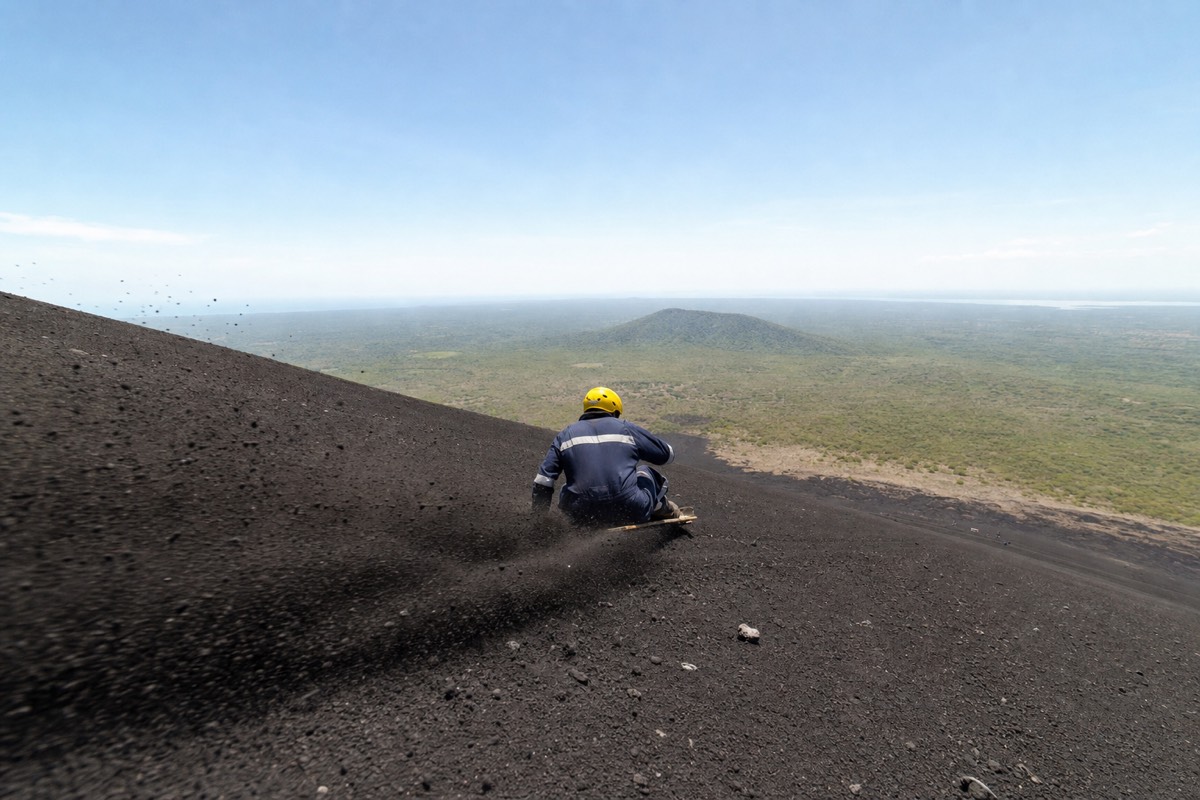
Volcano boarding means sliding down the loose black ash slope of an active volcano on a reinforced board, either sitting or standing. The sport's home is Cerro Negro near León in northwest Nicaragua, where riders hike up an ash slope to a summit around 728 metres above sea level, then ride back down to the base.
At A Glance: León departure; a real uphill hike; gear and entry differ by product.
Picture sledding, but the hill is a bare volcanic cone and the "snow" is coarse black grit. It is the kind of stunt that sounds invented until you see the photos, and it is genuinely a Nicaragua original. The Cerro Negro trip we feature at Masaya Volcano Tours runs as a private-group adventure with board, safety briefing and a certified guide, and it sits alongside our crater tours as the marquee volcano thrill most Masaya visitors also ask about.
What Is Volcano Boarding?
It is a downhill slide on volcanic ash, part sledding and part sandboarding, on the flank of a live volcano. You sit on a thin reinforced board (or stand, if you are confident), lean back, and let gravity carry you over the loose grit to the bottom. The climb up is the effort; the ride down is the payoff.
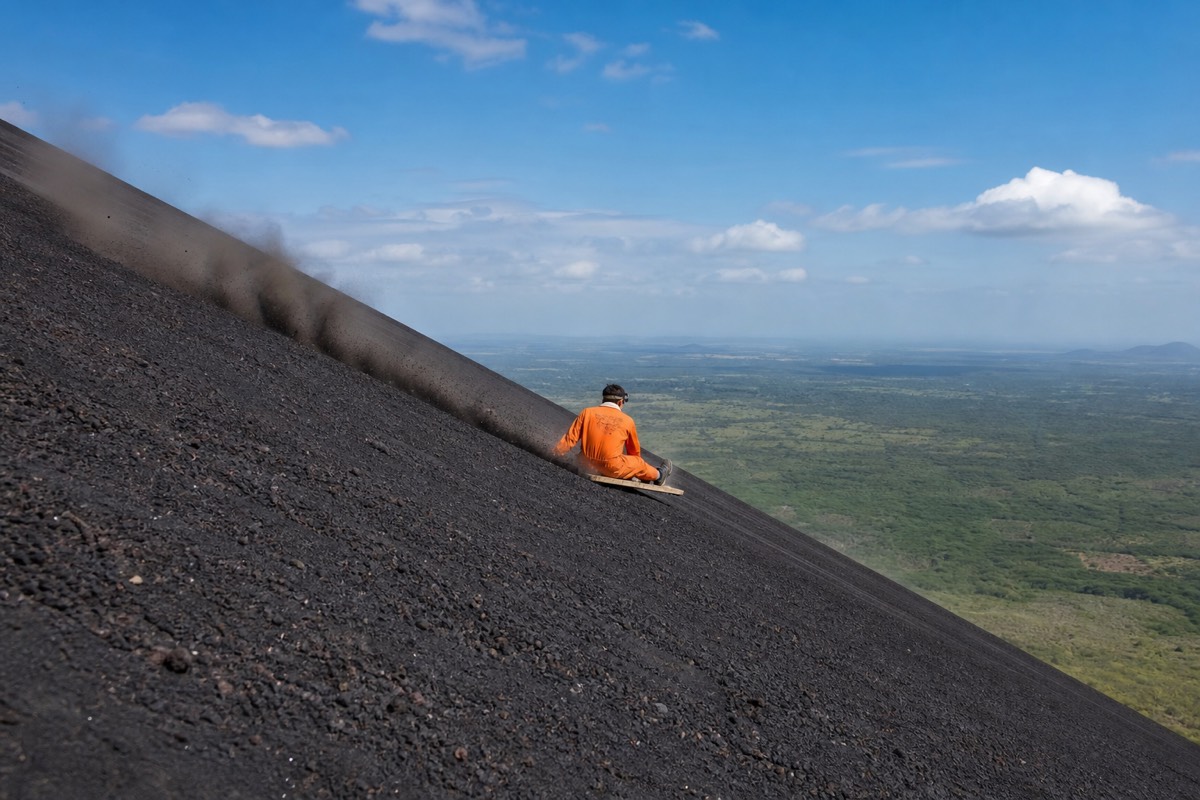
The appeal is the contrast. You spend the climb sweating up an exposed black slope with a board on your back, then trade all that stored effort for a fast, gritty descent that is over far quicker than the ascent. Riders wear a jumpsuit, gloves and goggles, because ash gets everywhere and the slope is abrasive.
It also photographs like nothing else: a lone figure in an orange or grey suit streaking down a jet-black cone, dust kicking up behind. That image is a big reason the activity went from local novelty to a fixture on Nicaragua adventure itineraries, and why so many travellers build a whole day around it.
Where Can You Do Volcano Boarding?
The one place set up for it is Cerro Negro, Central America's youngest volcano, near León in northwest Nicaragua. A few destinations have tried to copy the idea, but Cerro Negro's steep, bare ash cone is the original and the most famous, which is why travellers fly in specifically to ride it.
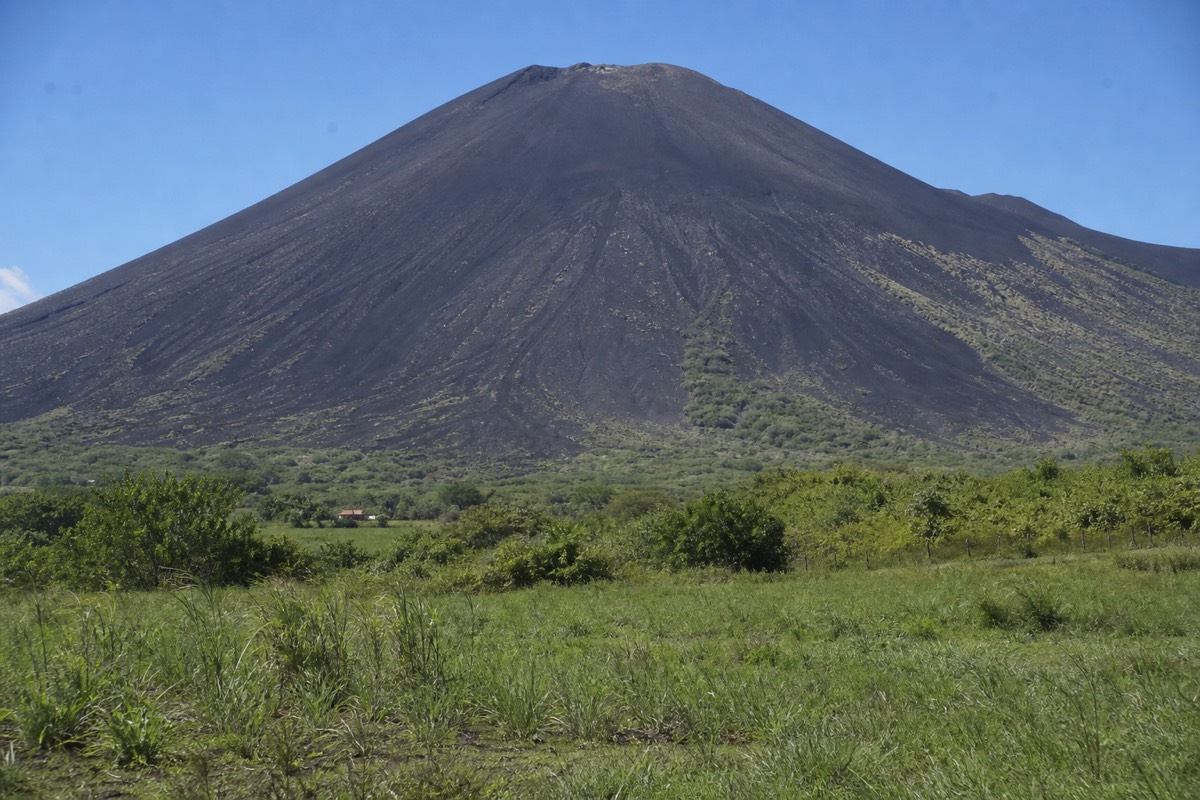
Its youth is the point: a young cone means loose, unvegetated ash and a clean, steep line to the bottom. Booking the run itself is straightforward through the Cerro Negro volcano boarding adventure, whose current quote depends on your party and selected option. For the deeper background on the volcano, the season and what to pack, see our volcano boarding in Nicaragua guide.
How Does Volcano Boarding Work, Step By Step?
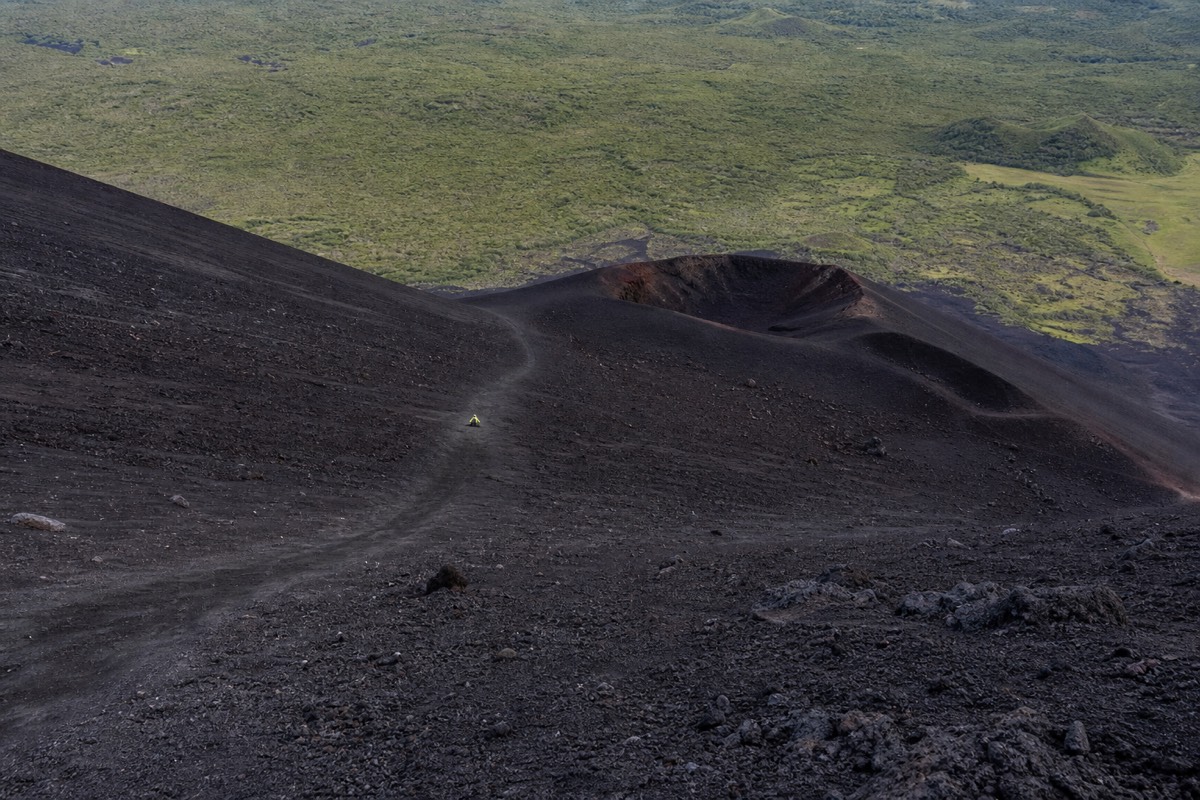
You drive to the base, hike up the ash slope carrying your board and gear, pull on a jumpsuit and goggles, take a short safety briefing, then slide down one rider at a time. The climb is hot and exposed; the descent is over quickly once you commit and lean back.
- Transfer to Cerro Negro and gear up with board, suit, gloves and goggles.
- Hike to the launch point up the black ash slope, board in hand.
- Take the guide's briefing on posture, braking with your feet, and steering.
- Slide down the ash slope from the summit, sitting for control or standing for speed.
- Regroup at the base, empty the ash out of your shoes, and compare grins.
Standing riders move faster than seated ones, and the exact pace varies a lot with posture, slope and conditions, so treat any single speed figure you read online with caution. Sitting down is slower and much easier to control, which is what most first-timers choose.
Is Volcano Boarding Safe?
It is an adventure activity with real but manageable risks. The jumpsuit, gloves and goggles guard against ash and scrapes, the guide sets the pace, and most riders finish with nothing worse than grit in their shoes. Going faster, which usually means standing, raises the risk; sitting keeps you in control.
The honest framing: this is not a theme-park ride, so listen to the briefing, brake with your feet as instructed, and pick the posture that matches your nerve. Because it is a full adventure day from the León side, it is best treated as its own outing rather than something you squeeze around other plans. Reasonable fitness helps, since you carry the board up the slope yourself, but there is no special skill required beyond following the guide.
How Does Volcano Boarding Fit With A Masaya Volcano Trip?
Cerro Negro is a separate volcano and a separate day. It runs from the León side, a different base from the Granada and Masaya area, so most people treat it as its own excursion rather than an add-on to a crater night. Plenty of volcano fans do both on one Nicaragua trip.
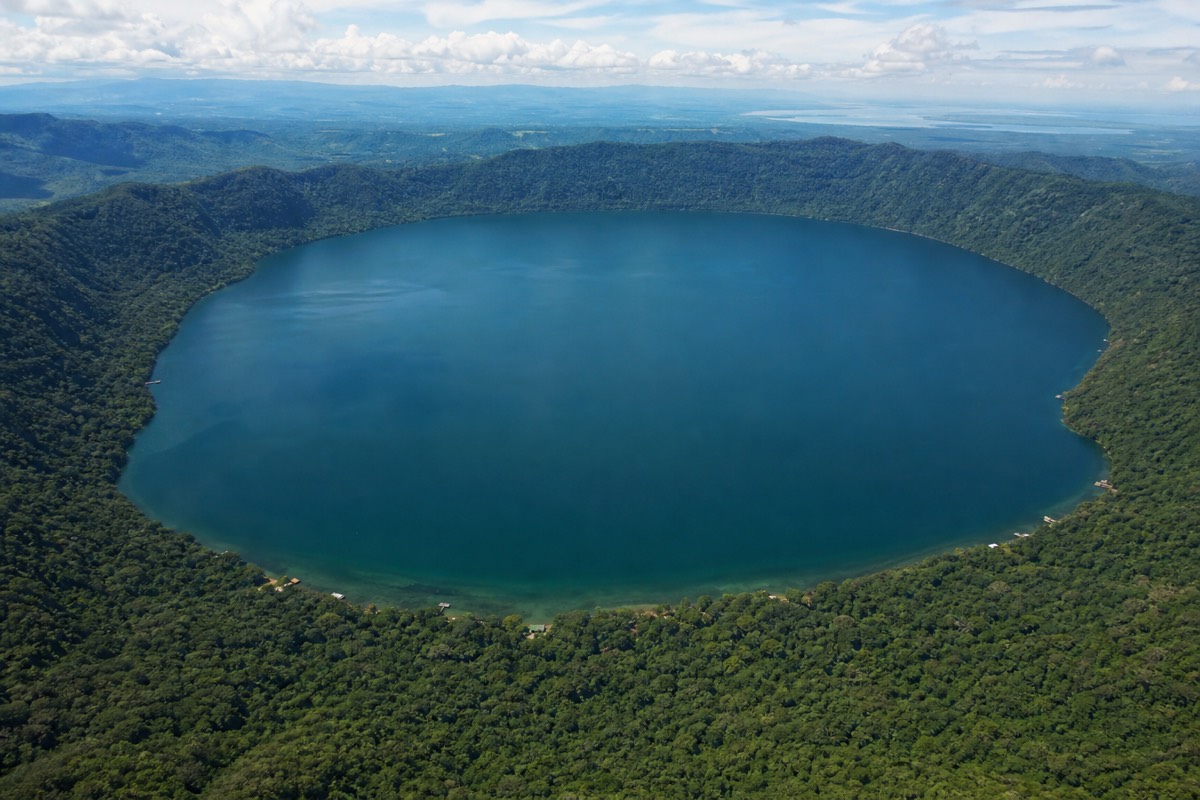
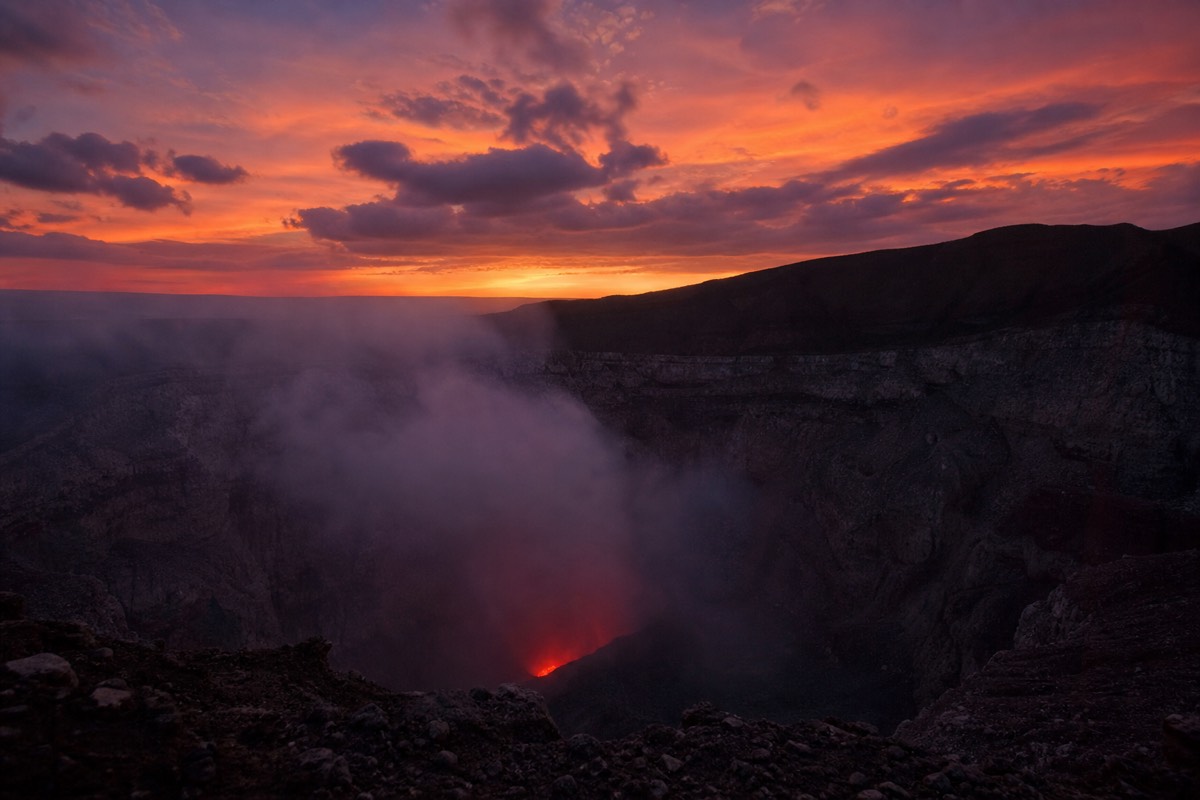
Masaya, near Granada, is the lava-lake volcano you visit after dark, as covered by the Masaya Volcano reference entry; Cerro Negro, near León, is the ash cone you ride. Both belong to the same Central American Volcanic Belt that the Smithsonian's Global Volcanism Program documents across Nicaragua. If you have limited time, pair the boarding day with the night tour to the glowing crater or with the Granada colonial city and lava combination. Still deciding? Our take on whether Masaya Volcano is worth visiting helps you weigh the two.