Volcano Boarding In Nicaragua: The Complete Cerro Negro Guide (2026)
There is one volcano on the planet people willingly hike up just to slide back down its raw black slope. It is Cerro Negro, near Leon, and volcano boarding here is Nicaragua's signature adrenaline day out. Here is exactly how it works, what it costs, and who should think twice.
Booking Choice: Hike and board Cerro Negro with protective gear, entry and board hauling included. Explore Private Cerro Negro Boarding From León
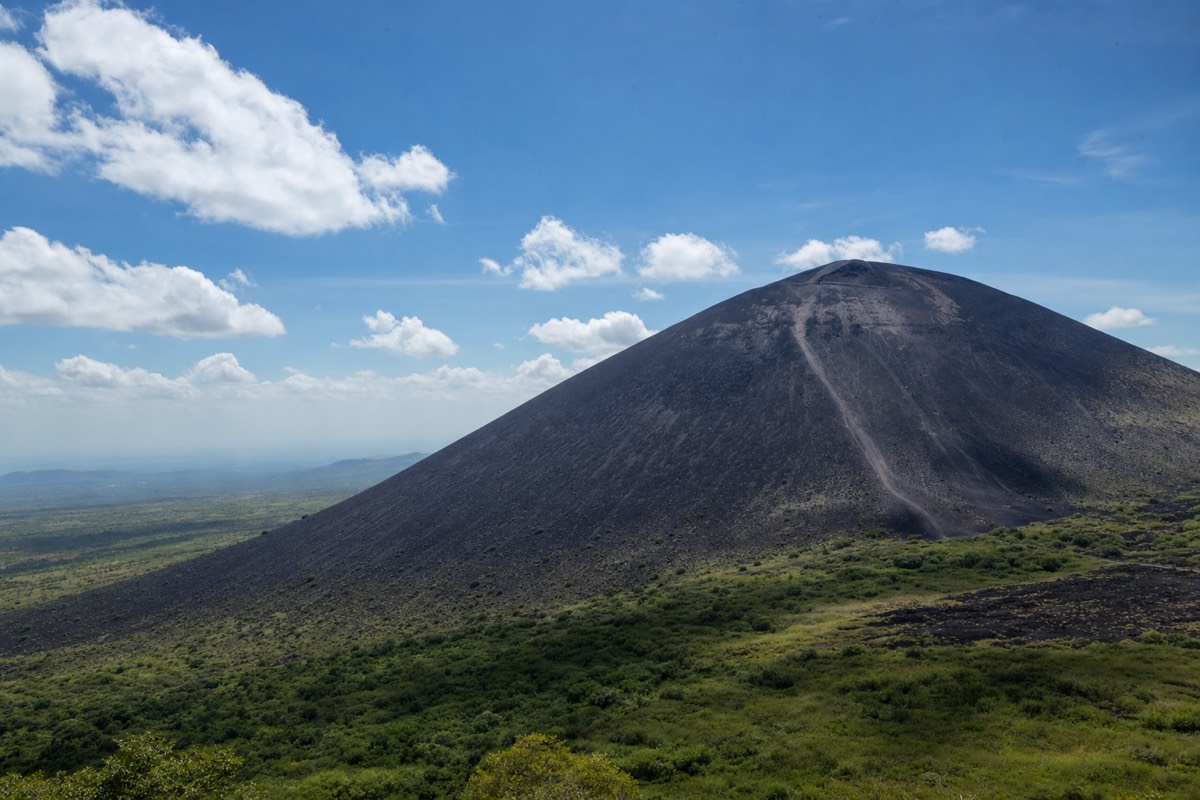
Cerro Negro volcano boarding, by the numbers
At A Glance: León departure; a real uphill hike; gear and entry differ by product.
Height and age are geological figures for Cerro Negro. Compare the current complete provider quote for your party.
What Is Volcano Boarding In Nicaragua?
Volcano boarding in Nicaragua means hiking up the black ash cone of Cerro Negro near Leon, then sliding back down the loose slope on a reinforced board. It is the only place on Earth genuinely set up for the sport, which is why it has become the country's marquee adventure and a bucket-list stop for thrill-seeking travellers.
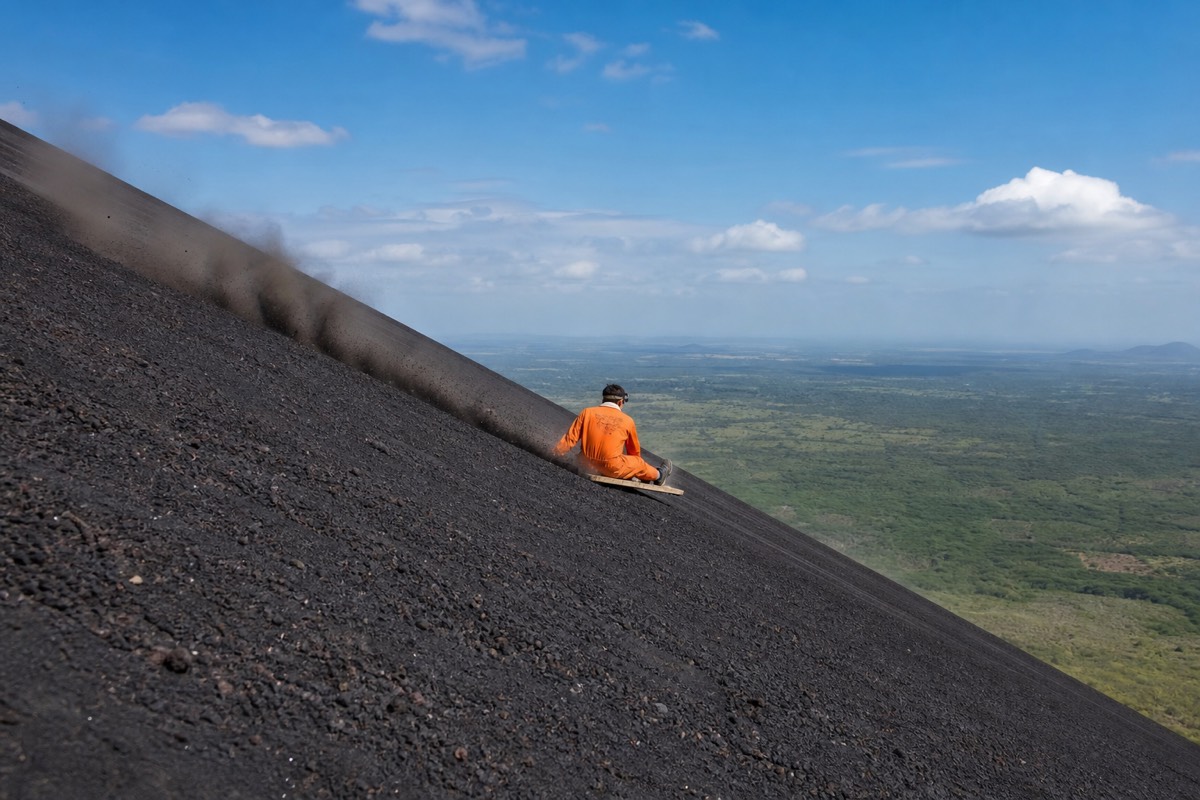
The idea is simple and slightly absurd: a young, bare volcano with a smooth apron of volcanic gravel, a board built to skid over it, and a slope steep enough to build real speed. You carry the board up on foot, gear up at the top, and let gravity do the rest, either sitting on the board or standing on it like a snowboarder.
It is worth being clear that this is a separate volcano and a separate day from Masaya. Cerro Negro sits in the northwest, near the colonial city of Leon, while the lava-lake crater is down near Granada. We list it because it is the volcano-adventure almost every Masaya visitor asks about, and because the two together make a strong Nicaragua itinerary. If you want the pure definition and the short version, we also cover what volcano boarding involves for first-timers.
Everything we feature at Masaya Volcano Tours is run by a vetted local operator, and the Cerro Negro trip is no exception: board, safety briefing, protective gear, guide, and transfers are handled for you.
Why Cerro Negro, And What Makes It The Only Place?
Cerro Negro is Central America's youngest volcano, first appearing in 1850, and its cone is a clean slope of loose black ash rising about 728 metres. That combination of young age, fine gravel surface, and a steep, obstacle-free face is what makes it uniquely suited to boarding, and no other volcano in the world offers the same setup.
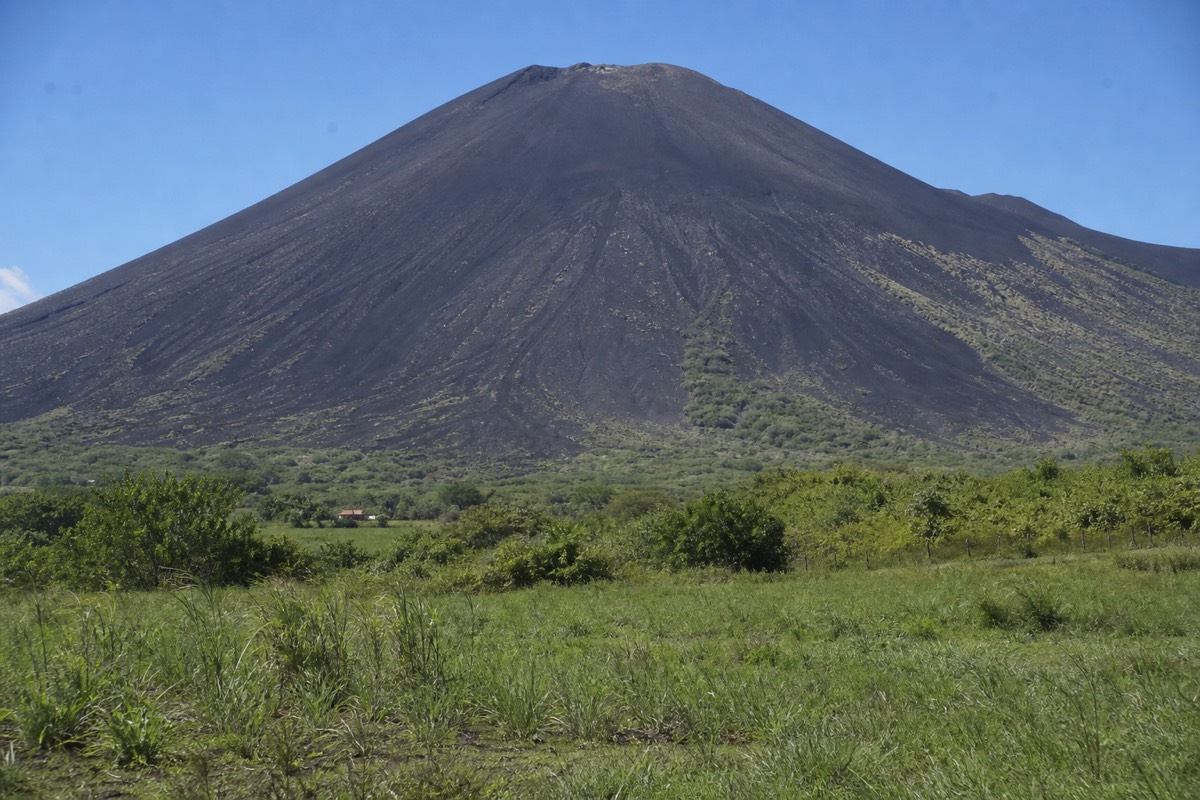
Because it is so young, the cone has not weathered into the vegetated, rocky slopes of older volcanoes. It stays bare, dark, and smooth, the way a fresh sand dune does. That surface is the whole trick: it is loose enough to slide on and forgiving enough to fall on, unlike jagged basalt.
Cerro Negro sits on the same Central American Volcanic Belt as Masaya, the arc raised by the subduction that also feeds the Cocos Plate volcanoes further south, and it is still active, with eruptions recorded into recent decades. Nicaragua's institute, INETER, monitors it alongside the country's other volcanoes, and trips only run when conditions are calm.
| Cerro Negro fact | Detail |
|---|---|
| Age | First erupted in 1850, Central America's youngest volcano |
| Height | ~728 m cone of loose black ash |
| Location | Northwest Nicaragua, near Leon |
| Claim to fame | The only place in the world set up for volcano boarding |
| Status | Active, monitored by INETER, trips run only when calm |
How Does Volcano Boarding Actually Work?
You drive to the base, then hike about 45 to 60 minutes up the ridge to the summit, carrying your board and gear. At the top the guide runs a safety briefing, you pull on a protective suit and goggles, position the board on the slope, and slide down the ash face, either seated or standing, reaching the bottom in a matter of minutes.
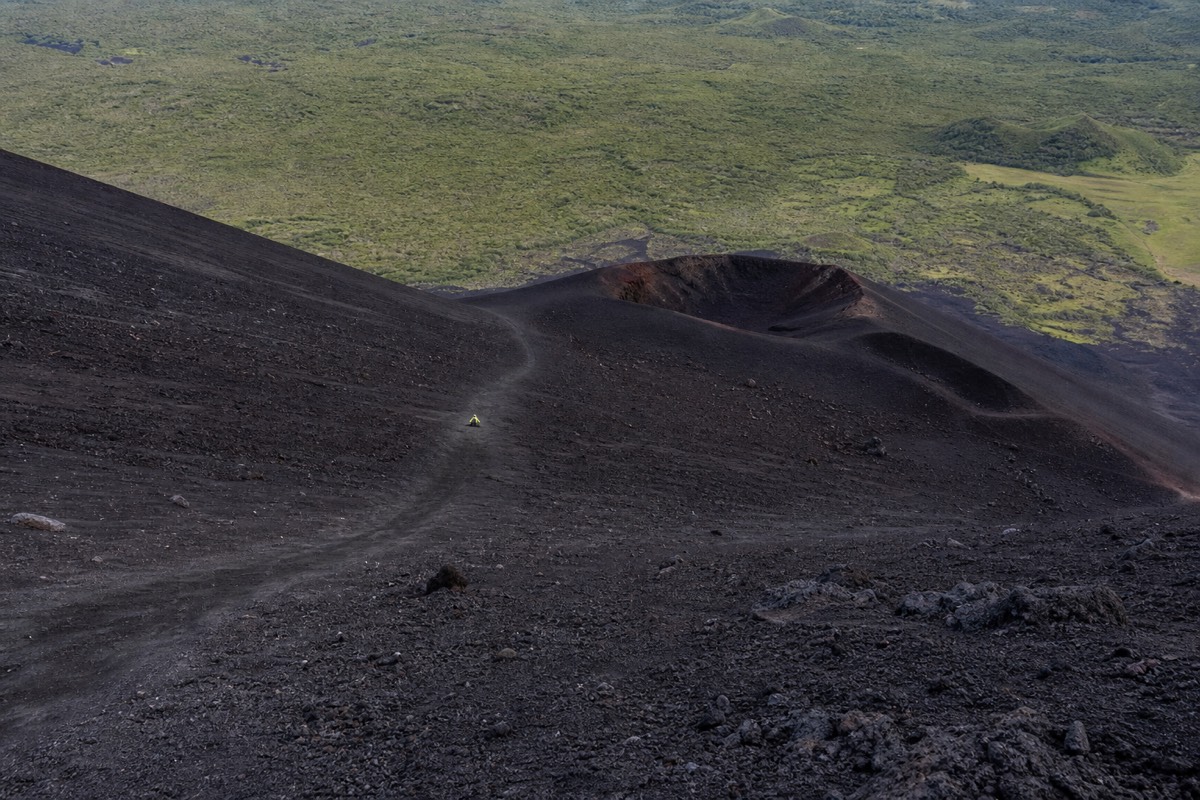
The climb is the honest part of the deal. It is not technical, but it is a real uphill walk on loose ground in the sun, carrying an awkward board, and wind near the top can be strong. Most reasonably fit people manage it fine at a steady pace with water breaks. The summit itself is a payoff on its own, with views over the surrounding volcanic plain.
The descent is quick. You sit low on the board, feet up, and use your heels and body weight to steer and brake, or you stand for a faster, harder ride. Beginners almost always sit. The guide sets you off one at a time, times the run, and meets everyone at the bottom, where you will be coated head to toe in fine black dust and grinning about it.
- Transfer to the base of Cerro Negro from Leon.
- Gear and board handout, then the hike up (about 45 to 60 minutes).
- Safety briefing and suit-up at the summit.
- Position the board and slide down the ash slope.
- Regroup at the base, clean up, and transfer back.
How Fast Do You Go, And Is It Scary?
Speeds vary a lot with how you ride and how hard you push. A cautious seated run is a controlled slide you can brake at any point, while an aggressive standing descent on the steepest line is where the eye-catching high-speed numbers come from. Most first-timers keep it moderate, and the sport feels exciting rather than terrifying.
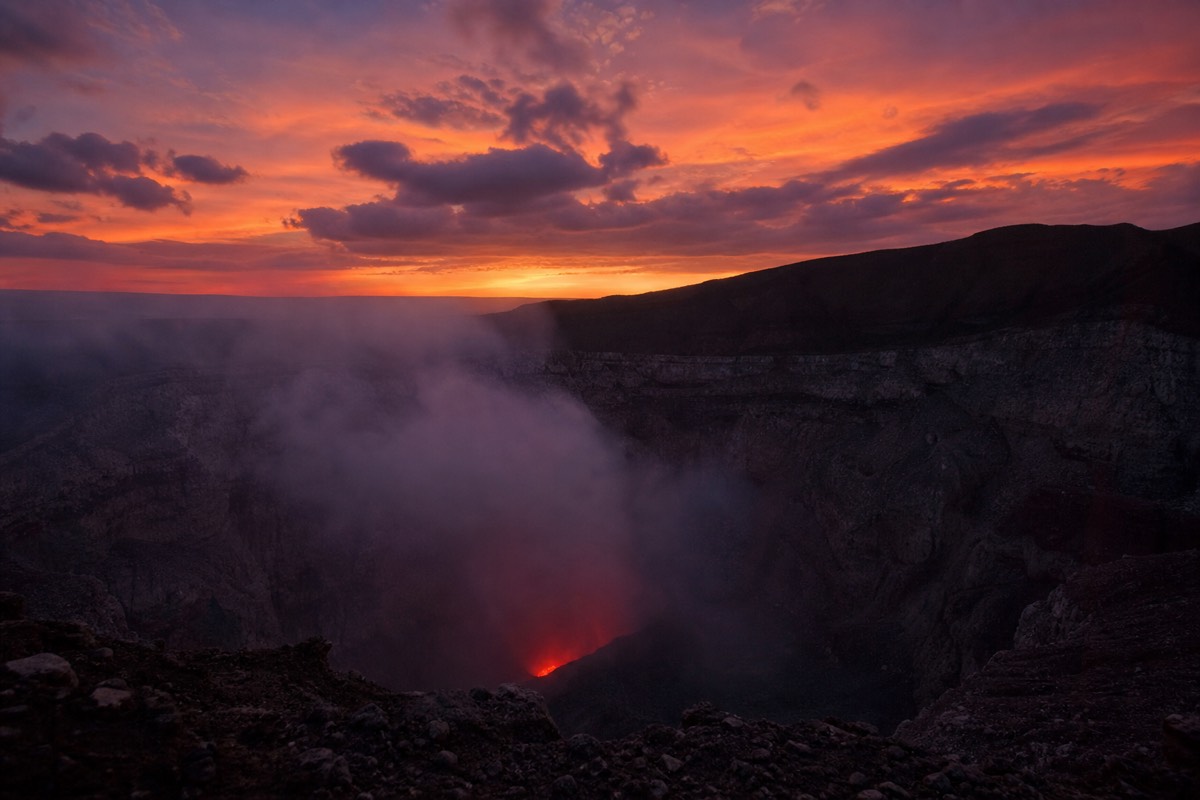
The thing to understand is that you control the pace. Leaning back, digging your heels, and sitting upright all slow you down. Committing your weight forward and lying back speeds you up. Because the surface is loose gravel rather than ice or rock, a fall can still cause injury, so follow the guide’s technique and avoid chasing speed.
If you want the thrill without the crater gas and the after-dark logistics of the lava tours, this is the adventure that delivers it in daylight. That said, they scratch different itches: one is speed and effort, the other is standing quietly above live lava. Many travellers do both, pairing Cerro Negro with the night tour to the glowing crater for a full-spectrum Nicaragua volcano trip.
| Riding style | Speed feel | Best for |
|---|---|---|
| Seated, braking often | Controlled slide | First-timers, nervous riders, kids at the minimum age |
| Seated, committed | Fast and fun | Most people after a practice section |
| Standing | Fastest, hardest to control | Confident boarders and snowsports fans |
Is Volcano Boarding Safe?
Volcano boarding carries a risk of falls and injury even with a guide and protective gear. You wear a protective suit and goggles, the guide briefs you and controls the run order, and a fall can still cause injury. Risks include falls, injury, dust exposure and heat illness on the climb and descent.
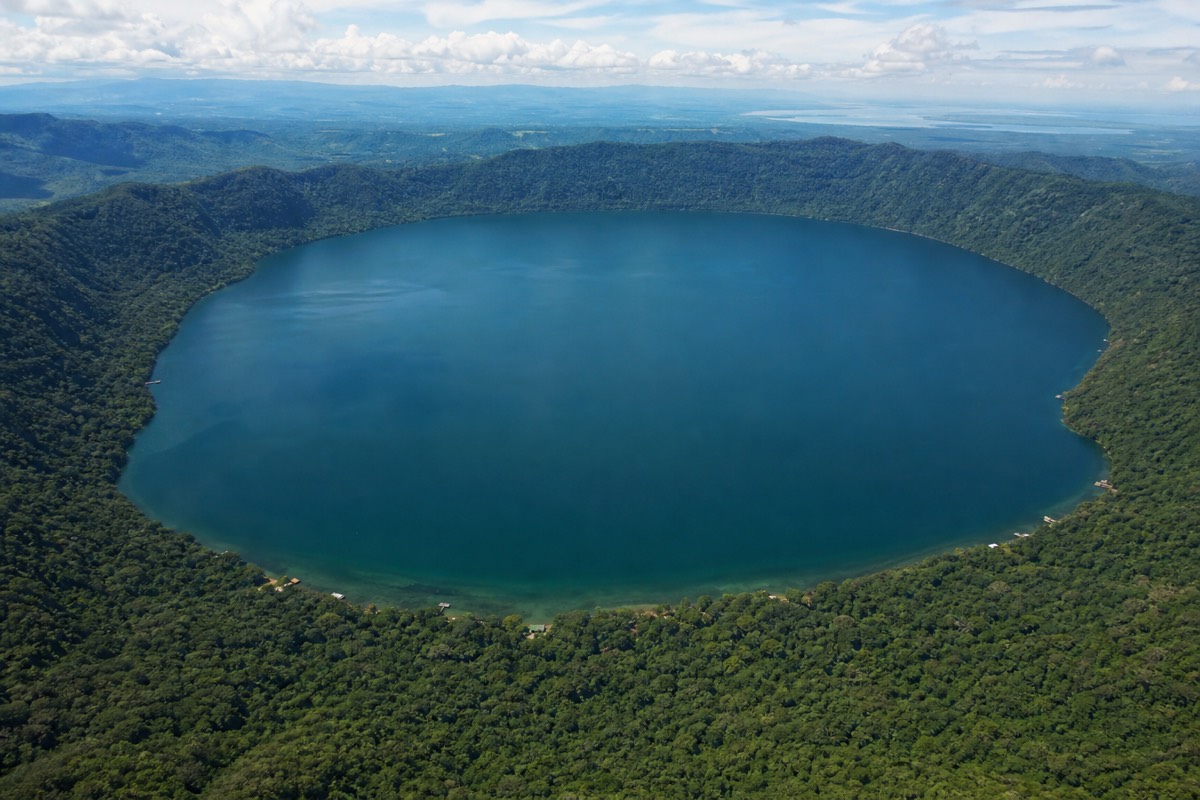
Injuries do happen when people over-commit to a standing run before they have the feel for the board, or when they steer with their hands and catch a wrist. Follow the operator’s practical briefing and restrictions; protective gear and instruction do not eliminate injury risk.
The volcanic side is managed too. Cerro Negro is active but monitored by INETER, and responsible operators do not run when activity rises. Heat is the underrated hazard: the black slope radiates warmth, the climb is exposed, and dehydration sneaks up. Bring water and sun cover. For the wider picture of travelling here, see whether Nicaragua is safe for tourists and, for the crater side, safety on a guided crater visit.
What Should You Wear And Bring?
Wear closed shoes you do not mind trashing, plus clothes you are happy to coat in black dust: the fine ash gets into everything. Bring sun protection, a bandana or buff for your face, and a good bit of water. The operator supplies the board, the protective suit, gloves, and goggles, so you do not need special equipment.
The dust is the defining detail. It is jet black, very fine, and it clings, so light-coloured or favourite clothes are a mistake. Sunglasses will not survive the run, but the provided goggles will. A change of shirt for the ride back is a small luxury you will appreciate.
Think about the climb as much as the slide. Closed, sturdy shoes beat sandals on the loose ridge, a hat and sunscreen matter under the open sky, and at least a litre of water per person is sensible in the heat. The table below sorts what to bring from what is provided.
| Bring yourself | Provided on the tour |
|---|---|
| Closed shoes you can get dirty | The board |
| Dark, expendable clothing | Protective jumpsuit |
| Sun hat, sunscreen, buff or bandana | Goggles |
| Water (1 litre or more) | Gloves |
| A change of shirt for the return | Guide, briefing and transfers |
How Much Does Volcano Boarding Cost, And What Is Included?
The verified private Cerro Negro tour takes four hours from León, with protective equipment, volcano entry and board hauling included. The other León sandboarding option takes four to six hours and excludes entry. Compare current quotes for your actual party rather than an old starting price.
Compare the complete quotes rather than assuming boarding costs more than a Masaya night tour. From León, the verified boarding trips take four to six hours. Granada transfers are a different arrangement; do not assume they are included. You are paying for logistics and equipment, not just the slide.
Set against the alternatives, it is a distinct product. Masaya evening tours are shorter, but the complete price depends on your party, pickup and included fees. If you want to compare the whole range before you commit, the optional comparison at the end shows the verified boarding options, and you can always book the Cerro Negro volcano boarding adventure directly.
How Do You Get To Cerro Negro?
Cerro Negro is reached from Leon, about 45 minutes away by road, so the sport is easiest to do while you are based in that city. From Granada or Managua it is a longer haul of a few hours each way, which is why it works best as a dedicated day or as part of a route that already passes through the northwest.
If Leon is on your itinerary, boarding is an easy half-day from there. If you are anchored around Granada for the Masaya crater, factor in the extra distance and consider slotting Cerro Negro on a travel day when you are moving between regions. A private trip with transfers takes the driving decisions off your plate either way.
Do not confuse the two volcanoes' logistics. Getting to the lava crater near Granada is short and simple, and we lay it out in the guide on getting there from Granada and Managua. Cerro Negro is the bigger travel commitment of the two, so plan the day around the drive.
| From | Approx. travel time | Best approach |
|---|---|---|
| Leon | ~45 minutes | Easy half-day, ideal base |
| Managua | ~1.5 to 2 hours | Long day or en-route stop |
| Granada | ~2.5 to 3 hours | Full day with early start |
Who Should Skip Volcano Boarding?
Skip it if the uphill hike in heat is a problem for you, if you have back, wrist, or joint issues that a bumpy slide would aggravate, or if you are pregnant. Very young children usually fall below the operator's minimum age. A Masaya rim visit involves less hiking but has volcanic-gas exposure, so it is not an automatic alternative for health concerns.
Be honest about the climb rather than the descent. The slide is short and mostly gentle, but getting to the top is a sweaty walk on loose ground with no shade, and that is what catches people out. If a 45 to 60 minute uphill in the sun sounds miserable, this may not be your day.
Assess any alternative activity separately, especially if a health concern rules out boarding. The Masaya crater delivers a genuine volcanic thrill, standing above a live lava lake, with almost no physical demand, and the full-day combinations add markets, villages, and colonial streets. Start with whether Masaya Volcano is worth visiting, or go straight to the Granada colonial city and lava combination for a lower-effort day.
| Good fit | Reasons to assess suitability separately |
|---|---|
| Reasonably fit thrill-seekers | Anyone who dislikes uphill hiking in heat |
| Travellers who want an active day | Back, wrist or joint concerns |
| Snowsports and adrenaline fans | Visitors whose individual suitability has been confirmed |
| People happy to get dusty | Anyone wanting live lava with minimal effort |