Is It Safe To Visit Masaya Volcano?
The main risk at Masaya is not lava, it is the gas. Here is how tours manage sulfur at the rim, when the park closes, and who should think twice.
Booking Choice: A short private evening visit with a guide and designated-area return transport. Explore Private Masaya Evening From Granada
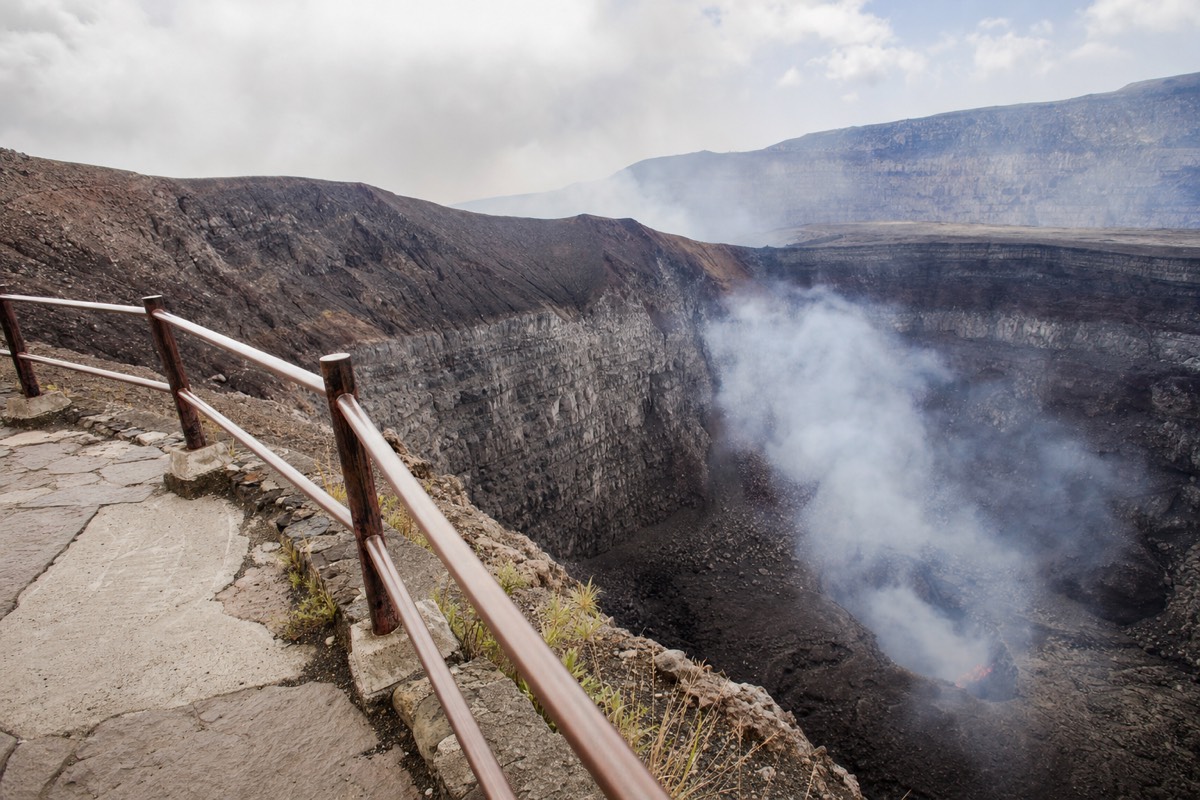
Masaya Volcano can be visited when the park permits access, but a guided visit is not risk-free. The real hazard is volcanic gas at the rim, not lava. Stops are kept short, the park is monitored daily, and tours reschedule when gas or activity climbs.
At A Glance: Choose your route and pickup first. A bookable tour does not guarantee park access or a lava view.
Access, visible lava, walking routes and opening hours can change. A scheduled tour is not confirmation of park access. Verify the current itinerary and closure terms before paying; ordinary masks do not filter volcanic gases.
What Are The Real Risks At The Crater?
Volcanic gas is a major hazard; eruption and access risks also matter. Santiago Crater constantly releases sulfur dioxide and other fumes, and on windy days the plume can swing over the viewpoint and sting eyes and throats. The lava lake stays inside the crater; the thing you actually manage is the air you breathe at the edge.
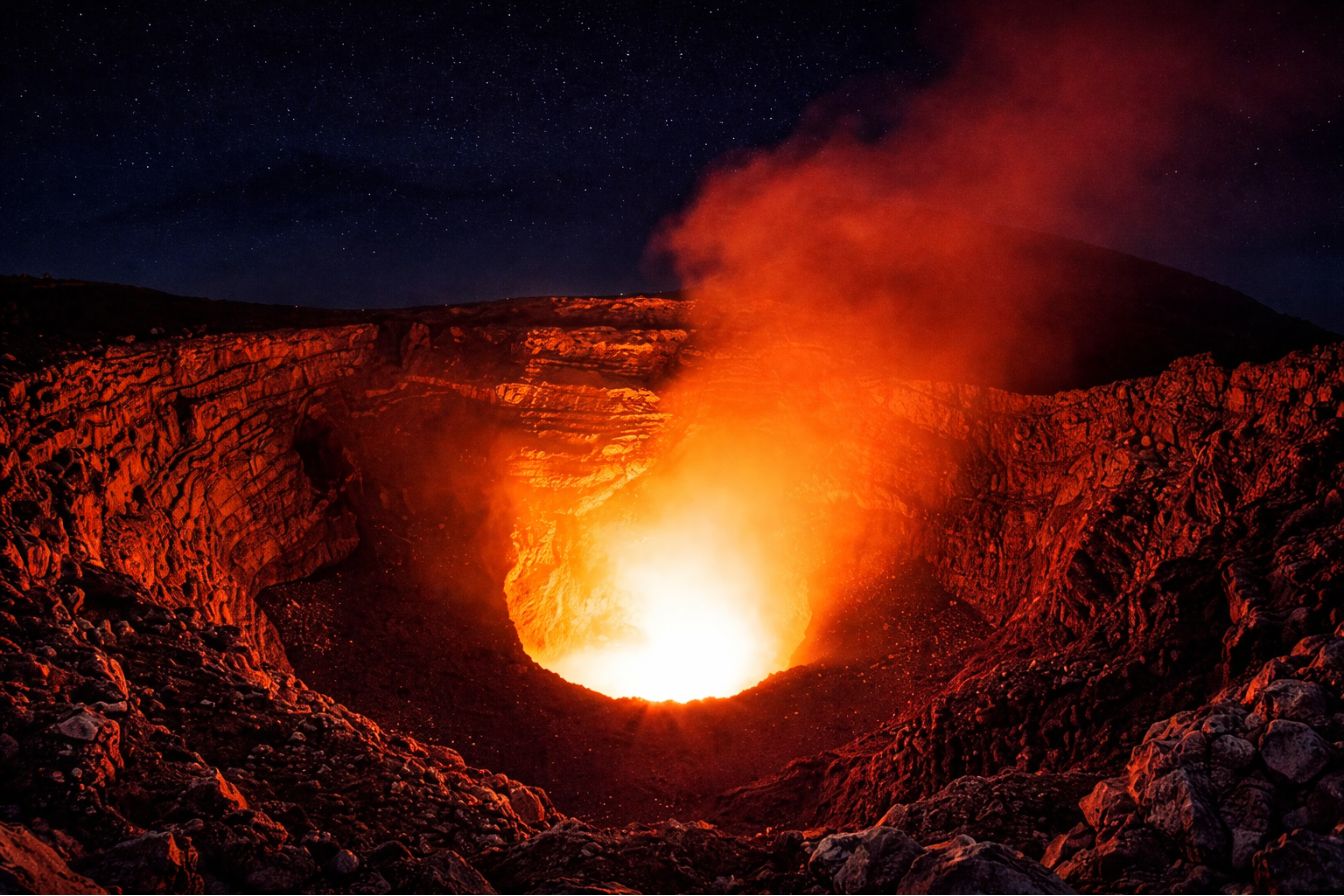
The lava lake that draws visitors is also the source of the gas, a link documented by the Smithsonian Global Volcanism Program. Most days the wind carries the plume away and the rim is fine for a short look. When it shifts back over the platform, guides move groups through quickly or pull them back, which is why a rushed feeling at the edge is a safety feature rather than a letdown.
How Do Operators Keep The Visit Safe?
Short rim stops, live monitoring, and a willingness to cancel. Rangers cap time at the viewpoint to roughly 5 to 15 minutes, staff watch gas and activity daily, and reputable operators reschedule or reroute when readings spike rather than push a group into a bad plume.
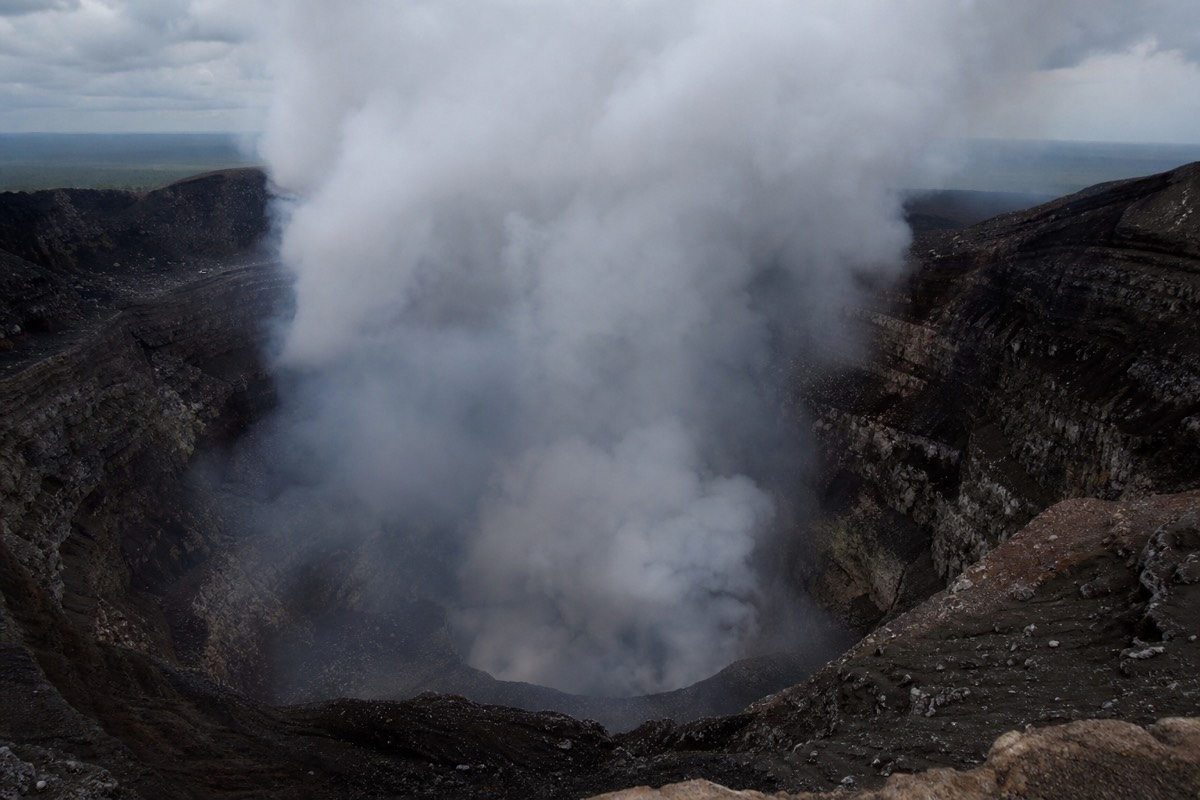
Activity is tracked by INETER, the national geological institute, and the park closes the rim at short notice when conditions warrant. Ask the operator to check access before departure; transport and entry inclusions vary by option. If access is closed, rebooking or refunds depend on the terms of the option you purchased. That is one reason a guided visit beats winging it: someone else is watching the numbers. You can book an evening crater visit with a vetted operator or, for more control over timing, a small-group private night tour.
Who Should Be Cautious About The Gas?
Anyone with breathing or heart trouble should take the plume seriously. People with asthma or COPD, heart conditions, young children, and pregnant travellers are most affected by sulfur dioxide, and should ask the operator about conditions before booking and consider skipping the rim on high-gas evenings.
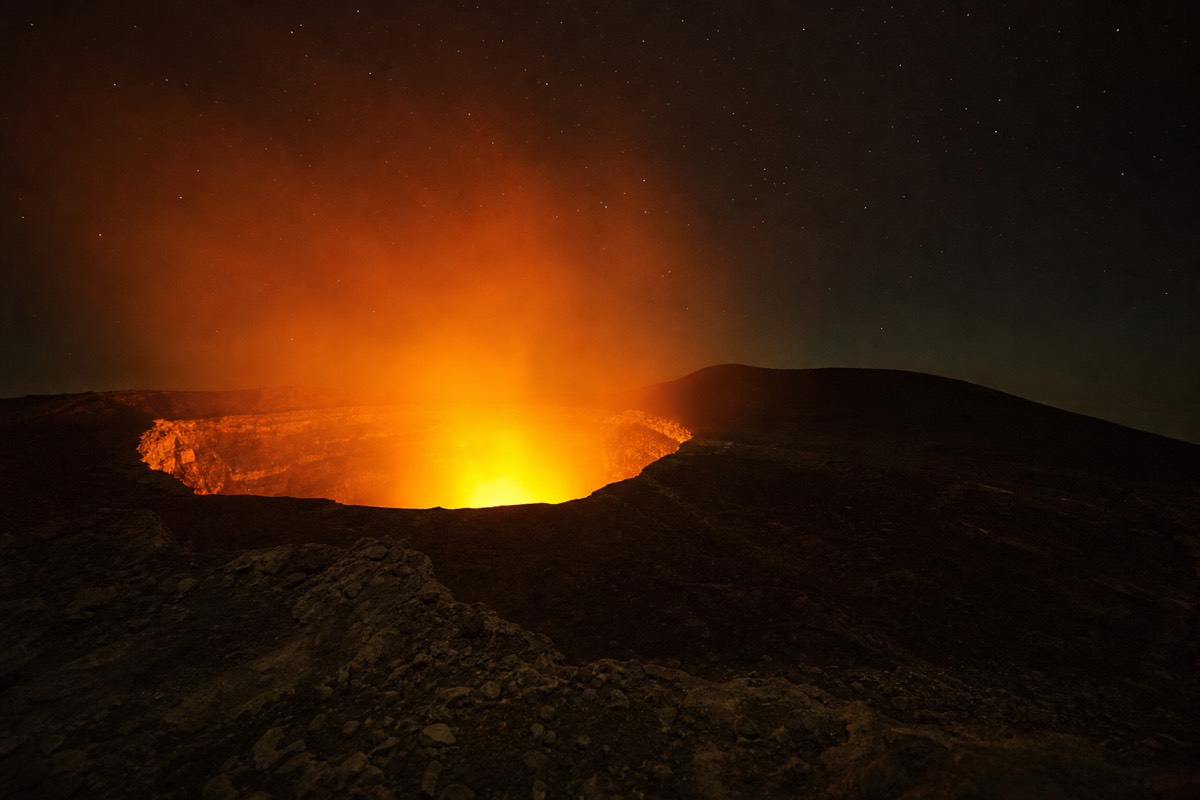
- Bring any inhaler or regular medication and keep it on you at the rim.
- A buff or ordinary mask does not filter volcanic gases. Move away from the plume and follow park instructions.
- Step back from the edge as soon as your eyes or throat react; do not wait it out.
- Contact lenses can trap fumes against the eye, so glasses are the safer choice.
None of this makes Masaya off-limits, it just means matching the visit to your health. Access to the national park can be restricted at short notice when gas is high, and that restriction protects exactly these travellers.
Is The Area Around The Volcano Safe To Visit?
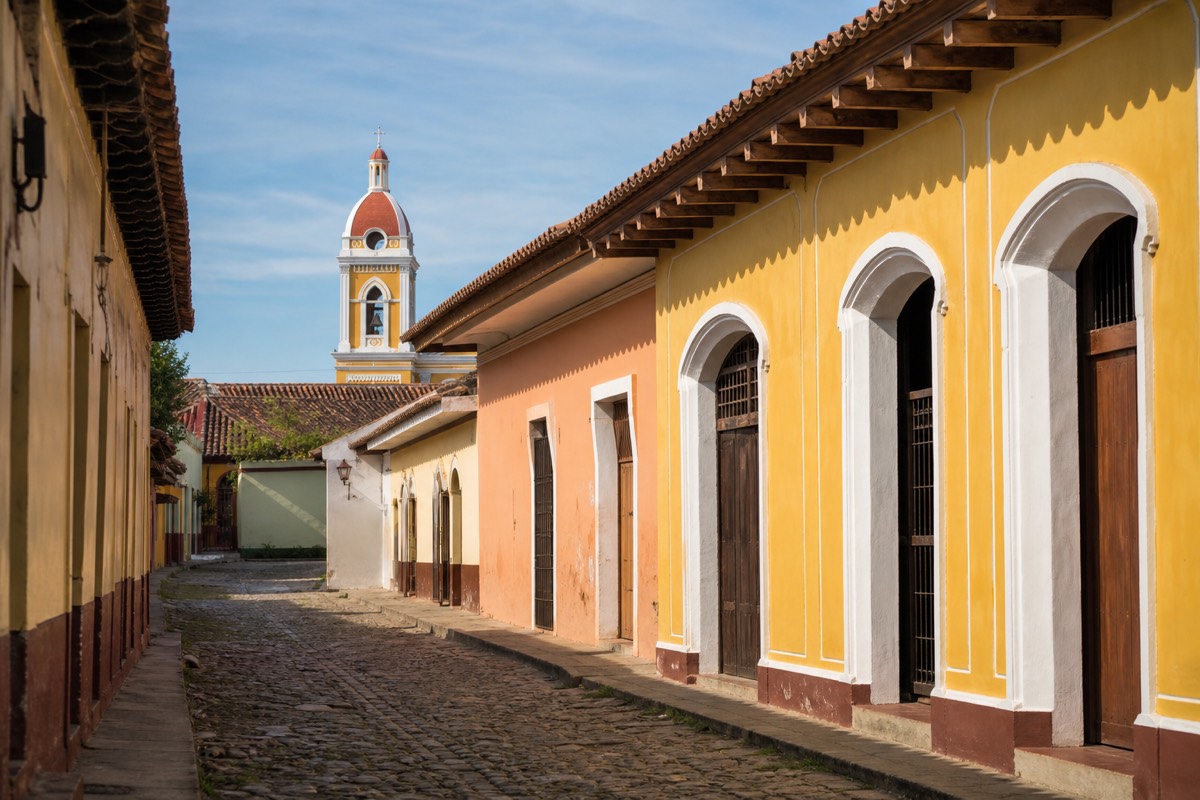
Generally yes. Most tours run from Granada, a walkable colonial city used to visitors, with hotel pickup and drop-off so you are not driving unfamiliar roads at night. Use normal city sense, keep valuables low-key, and treat the volcano itself as the more unusual risk, not the town.
For a fuller picture of conditions across the country, read how safe Nicaragua is for tourists before you plan. If you want to combine the crater with the city, the Granada colonial city and lava combination keeps everything with one operator. The exact booking option determines pickup, entry fees and the itinerary. Still weighing the logistics? Our guide on how to reach the crater from Granada lays out the options.