Is Nicaragua Safe For Tourists Right Now?
A practical, non-political look at travelling in Nicaragua's tourist areas, with the precautions that matter and where to check current guidance.
Booking Choice: Link Granada’s colonial streets, the Isletas boat route and Masaya in one private itinerary. Explore Granada City, Isletas And Masaya
Canada advises a high degree of caution in Nicaragua because of the political situation, possible civil unrest and crime. Tourist areas are not exempt. Read your own government’s current advice before travel.
Nicaragua’s travel risks vary by place and circumstance; visitor traffic does not establish that a destination is safe for your trip. Sensible precautions still apply anywhere. Always read your government's current travel advisory before you book, and stay aware while you travel.
At A Glance: Choose your route and pickup first. A bookable tour does not guarantee park access or a lava view.
Access, visible lava, walking routes and opening hours can change. A scheduled tour is not confirmation of park access. Verify the current itinerary and closure terms before paying; ordinary masks do not filter volcanic gases.
Nicaragua is not a single uniform picture, so the useful question is not "is the country safe" in the abstract, but "are the places I actually plan to go safe, and what should I do while I am there." That is what this page answers, plainly and without politics. The operators we work with at Masaya Volcano Tours are local, vetted and used to handling the practical side of a visit, from pickups to park access.
Is Nicaragua Safe For Tourists Right Now?
The honest answer is that the popular tourist corridor, Granada, Masaya, the Pueblos Blancos and the Pacific colonial towns, sees steady visitor traffic and is generally calm. Conditions can change, so the practical move is to check your own government's up-to-date travel advisory rather than rely on any single blog's snapshot.
Treat safety as a moving target you keep an eye on, not a fixed yes or no. Your national advisory is the authoritative country-level source; a tour site is the place for on-the-ground practicalities. Read both, and weight the official advisory most heavily for the big-picture call. For the volcano specifically, our companion piece on whether it is safe to visit Masaya Volcano goes deeper on the crater itself.
Which Areas Do Most Visitors Stay In?
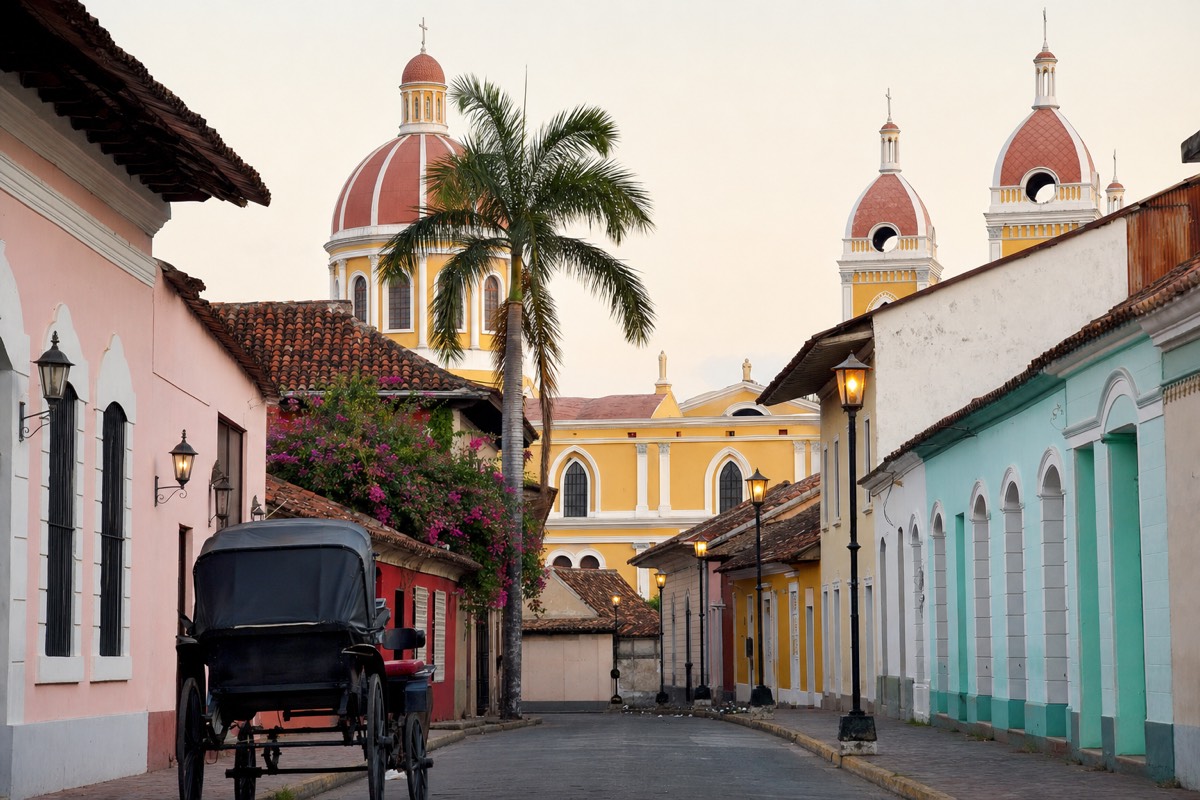
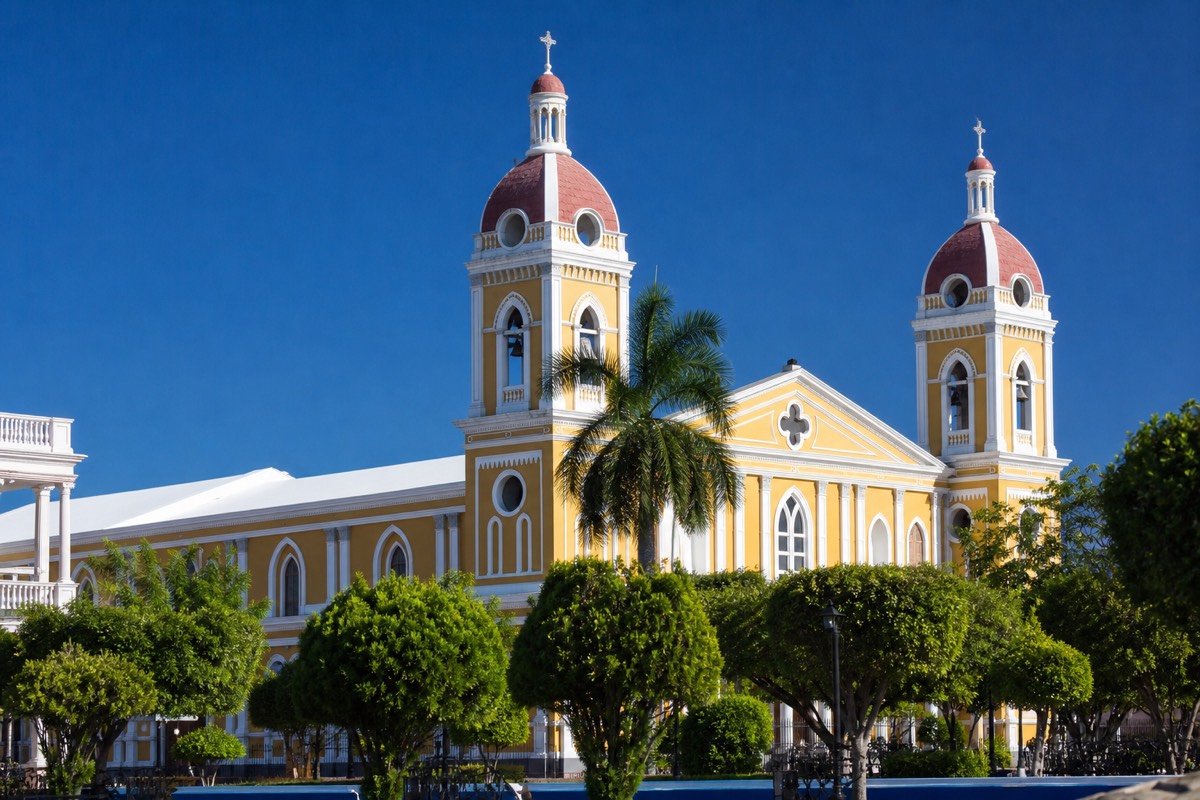
Granada is the usual base: a walkable colonial city with the main cathedral, the La Merced bell tower and the pastel streets of Calle La Calzada. From there, Masaya Volcano, the craft market and Laguna de Apoyo are all short trips, which keeps most visitors inside a compact, well-travelled zone.
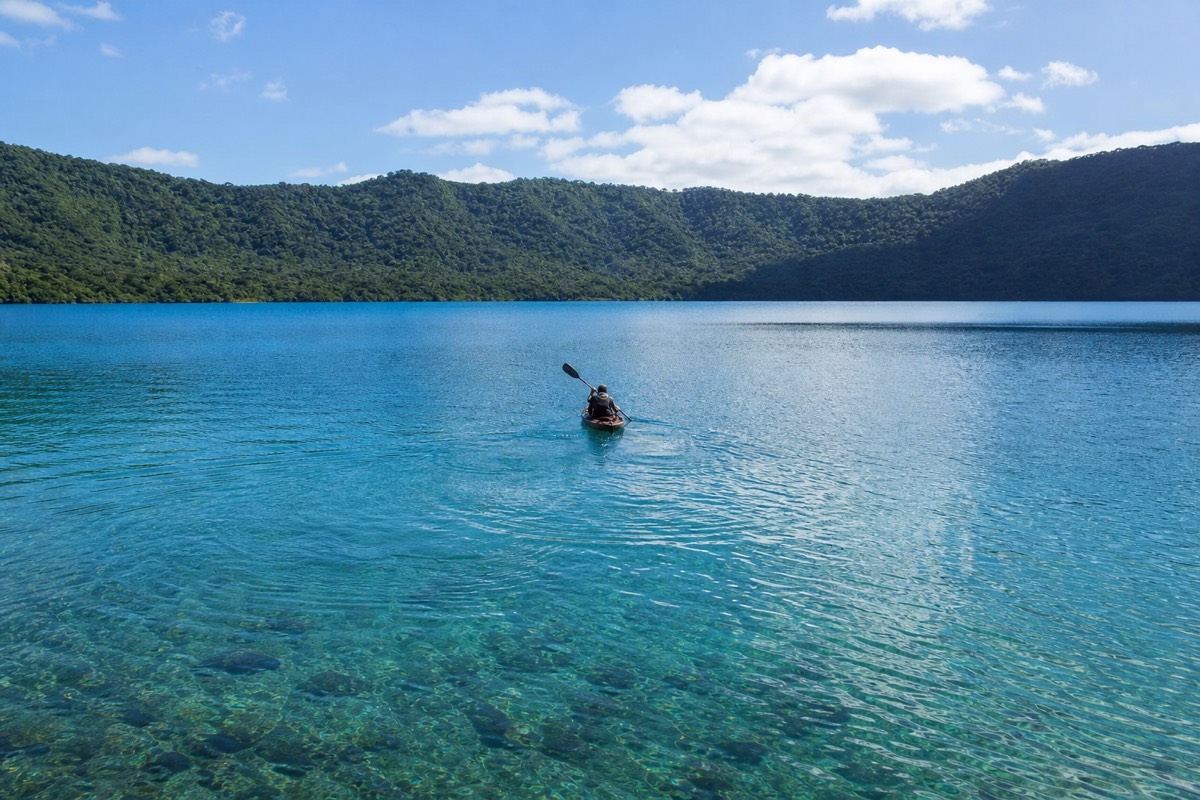
Staying in that corridor is itself a sensible safety choice, because it is the part of the country most set up for tourism. Beyond the city itself, the day-trip radius covers the Masaya craft market, the Pueblos Blancos, Laguna de Apoyo for swimming, and the Las Isletas archipelago on Lake Nicaragua, all of which are reached on organised trips with local guides. Our guide to things to do in Granada, Nicaragua maps the walkable sights, and trips like the Granada colonial city and lava combination keep you with a guide who knows the routes. If you are still working out logistics, how to visit Masaya Volcano from Granada and Managua covers transport and timing.
What Common-sense Precautions Help?
The same habits that serve you anywhere apply here: keep valuables out of sight, use arranged transport after dark, carry only the cash you need, and keep copies of your documents. Petty theft is the issue tourists most often mention, and it is largely avoidable with normal care.
- Use hotel-arranged or operator transport at night instead of hailing rides on the street.
- Split your cash and cards; leave spares and your passport in the hotel safe.
- Keep phones and cameras discreet in busy markets and bus terminals.
- Learn a little Spanish and agree fares or terms before you set off.
- Keep an eye on local news and any weather or volcano advisories during your stay.
None of this is unique to Nicaragua; it is standard travel sense that lowers the most common risks. Arriving through Augusto C. Sandino International Airport in Managua, most visitors transfer straight to Granada, which is roughly 30 to 45 minutes away, and base themselves there rather than lingering in the capital. Booking your first night and an airport transfer in advance takes the guesswork out of the arrival, which is when tired travellers are most exposed to overcharging.
Are Guided Tours A Safer Way To Visit The Volcano?
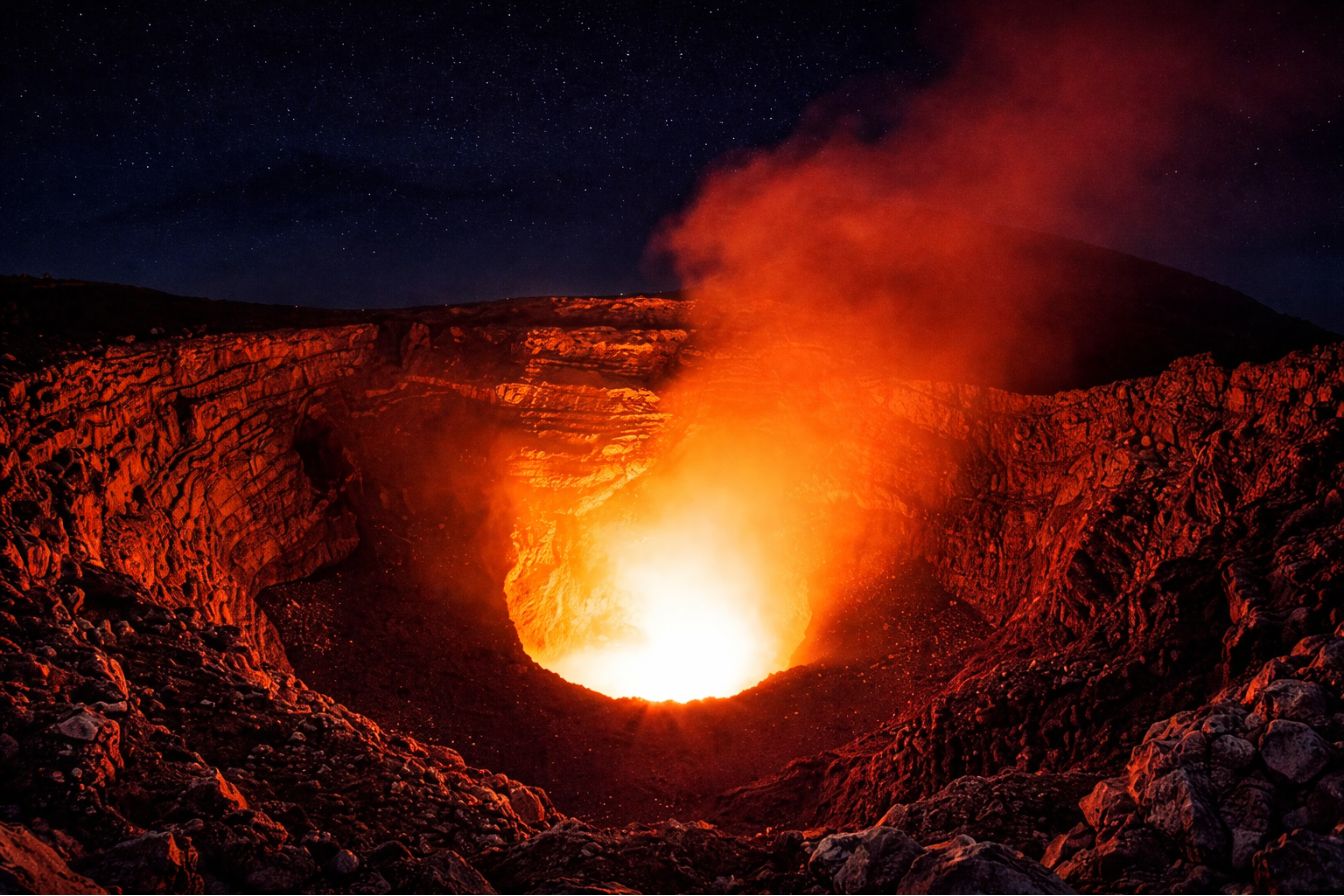
Yes, for the volcano specifically. A guided crater visit handles park entry, timing, transport and the gas-related access rules, so you are not driving unfamiliar roads after dark or guessing whether the road is open. The night crater run in particular is easier and safer with an operator.
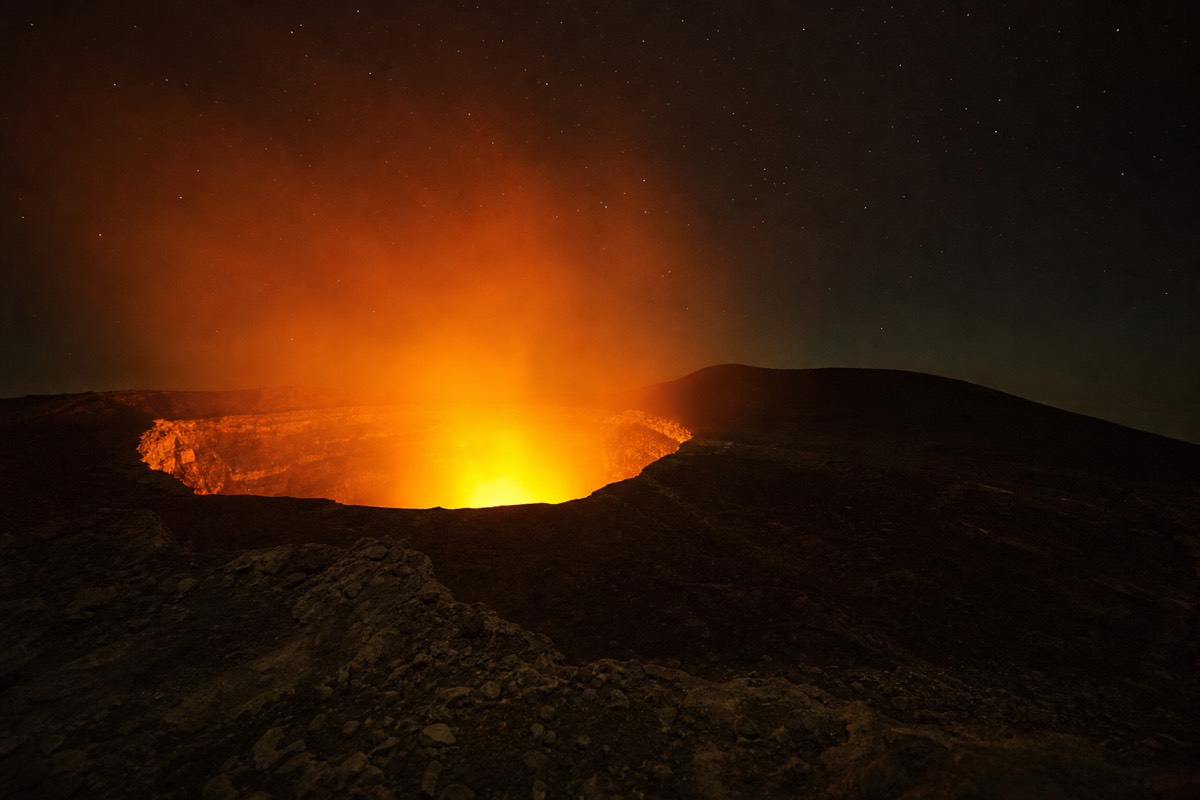
The volcano's own risks are gas exposure and short-notice access closures, both of which a good operator plans around. That is a large part of the appeal of the night tour to the glowing crater and of daytime combinations like the full-day art market and white villages tour: someone who watches the status is making the go or no-go call for you. Access can be restricted based on activity, which is monitored by INETER, Nicaragua's geological institute.
Where Should You Check The Latest Guidance?
Two sources matter most: your national government's travel advisory for the country picture, and Nicaragua's geological institute, INETER, for the volcano's activity and any access closures. Reputable operators track both and will reschedule if the crater road shuts.
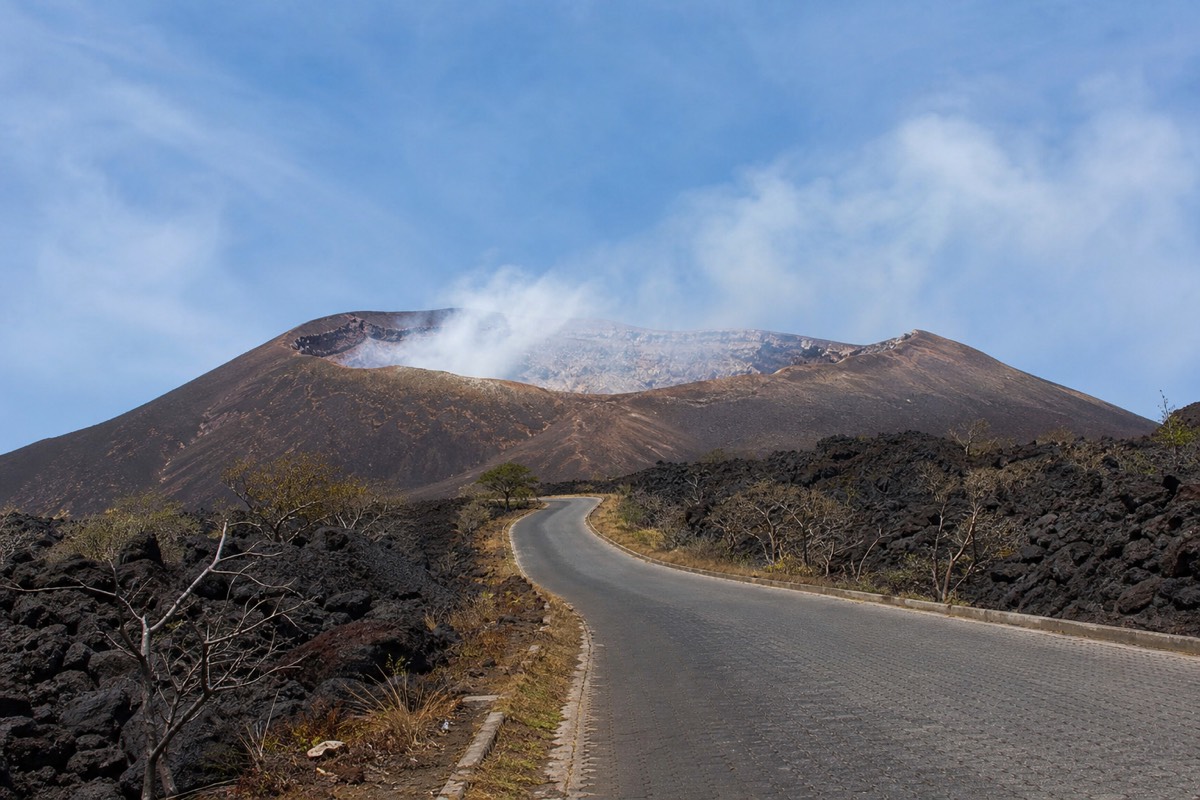
Cross-check them close to your travel date rather than months out, since both country conditions and volcanic activity can move. The Britannica entry on Masaya Volcano is useful background on the park and its setting, and for live opening questions we keep a running note on whether Masaya Volcano is open right now. Review booking terms and current guidance; a local operator does not remove the volcano-specific risk.