Is Masaya Volcano Open Right Now?
Masaya is open most days, then closes without much warning when gas or activity spikes. Here is how to know today's status before you drive out.
Booking Choice: A short private evening visit with a guide and designated-area return transport. Explore Private Masaya Evening From Granada
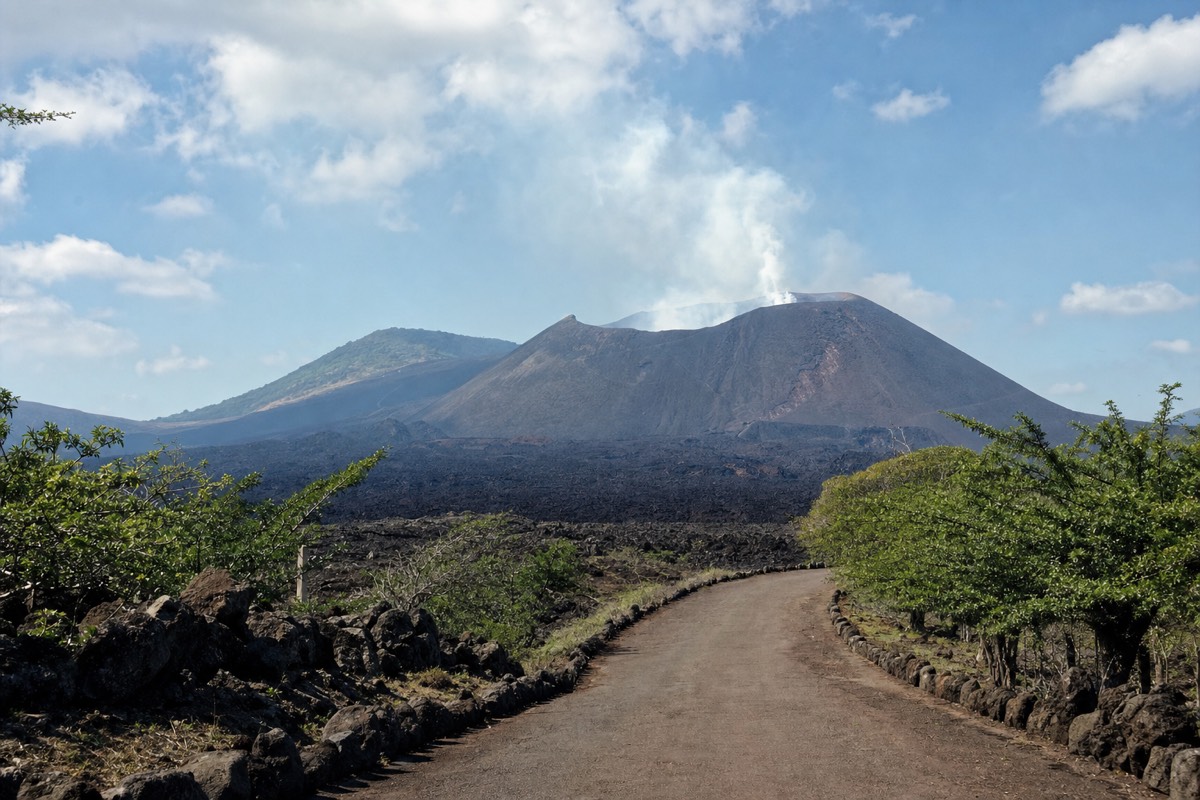
Masaya Volcano is open most days, but it is not guaranteed. The park closes at short notice when volcanic gas or activity rises, so "open right now" changes day to day. The reliable move is to check current status with a local operator or the park before you go.
At A Glance: Choose your route and pickup first. A bookable tour does not guarantee park access or a lava view.
Access, visible lava, walking routes and opening hours can change. A scheduled tour is not confirmation of park access. Verify the current itinerary and closure terms before paying; ordinary masks do not filter volcanic gases.
Is Masaya Volcano Open Today?
Usually yes, with a caveat. On a typical day the road to the crater is open during posted hours and the viewpoint is accessible. But temporary closures happen when gas levels or seismic activity spike, and they are decided day to day, so no fixed calendar can promise the rim is open on your date.
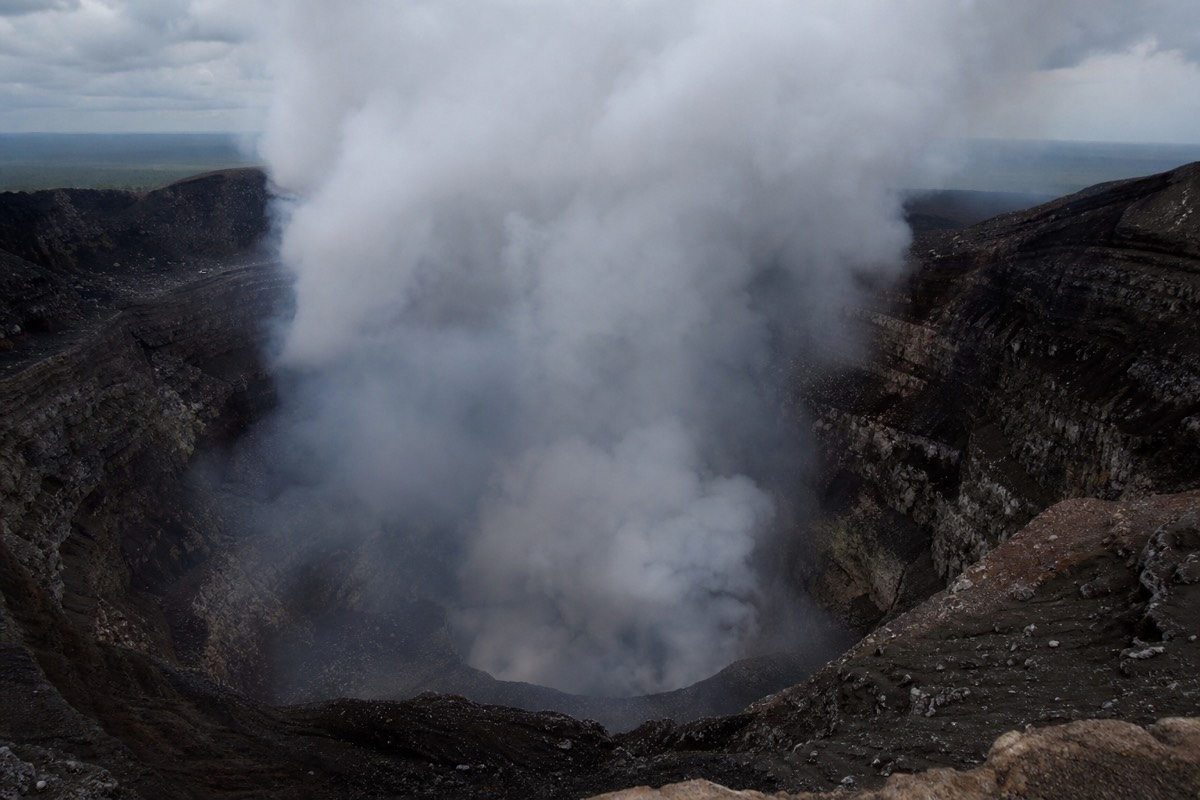
Treat Masaya as normally open but conditional. The park operates inside Masaya Volcano National Park with day and evening windows, and rangers control access to the rim based on live readings. That is why a page like this is written as a "how to check" rather than a live bulletin: the honest answer for your specific evening comes from a same-day source, not a printed schedule.
Why Does Masaya Volcano Close Sometimes?
Gas and activity. The crater vents sulfur dioxide continuously, and when the plume is heavy or swings over the viewpoint, rangers restrict the rim. Upticks in tremor or lava-lake activity can also close access until readings settle. Weather and staffing play a smaller role too.
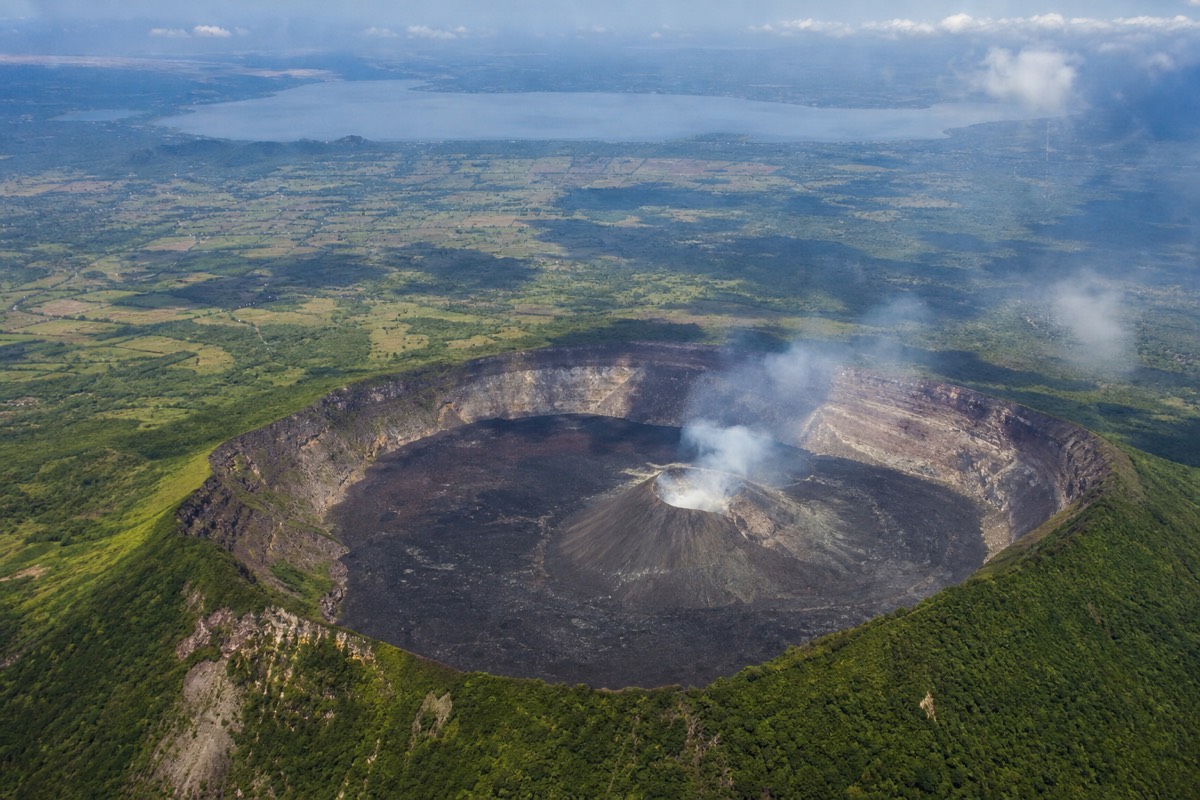
These closures are usually short, hours or a day or two, not long shutdowns. They are a safety call about breathable air at the edge more than any threat of eruption. The lava lake that makes Masaya famous is also its most-watched feature, tracked over years by the Smithsonian Global Volcanism Program, so changes are noticed quickly.
How Do I Check If It Is Open Right Now?
Ask a source that watches it daily. Local operators call or visit the park constantly and know the morning-of status; the national monitoring agency publishes activity updates; and the park sets the day's hours at the gate. Booking through an operator hands this check to someone on the ground.
Volcanic activity is monitored by INETER, the national geological institute, which is the authority behind official status calls. In practice, most visitors let the tour handle it: ask the operator to confirm access before pickup, and check whether your option includes entry. If you are self-driving, plan how to visit Masaya Volcano and build in a backup evening. You can also leave the checking to a booked operator-run night crater tour or a private evening tour with flexible timing.
What Are The Day And Night Visiting Hours?
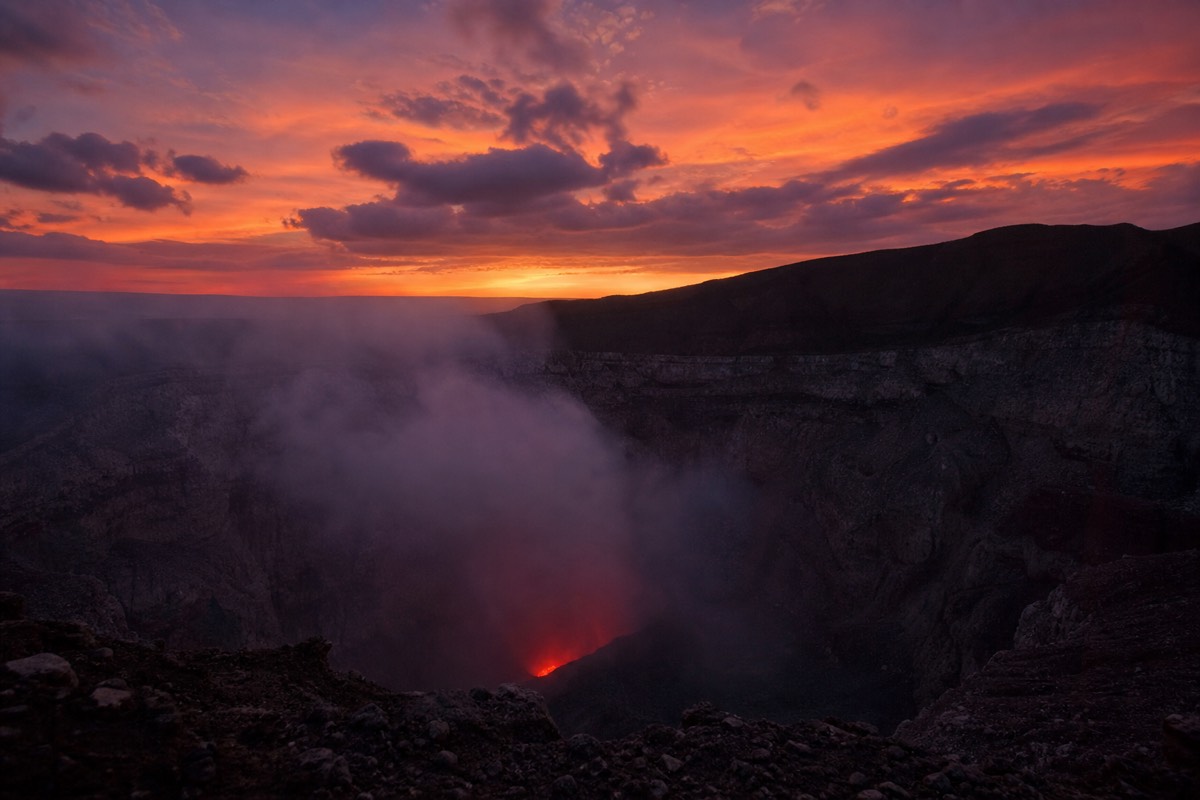
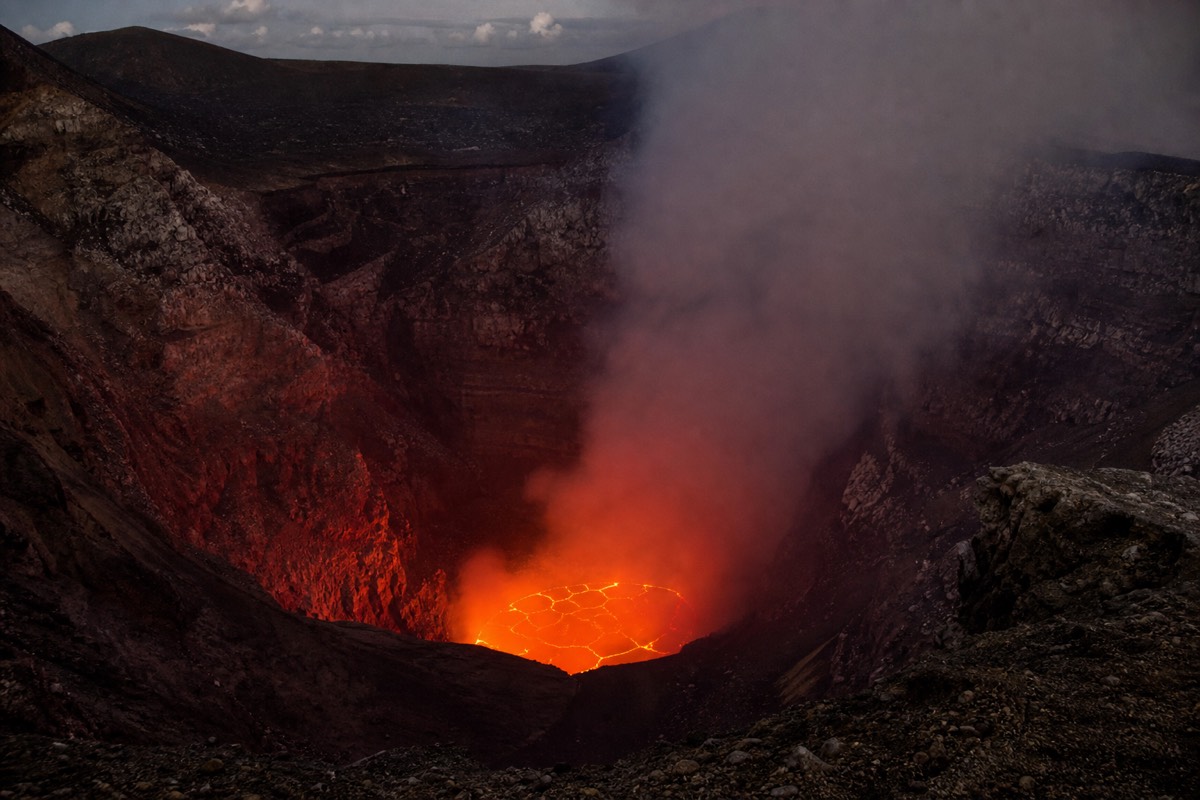
Two windows. Daytime runs roughly 9 am to 4:45 pm, and a short evening visit runs roughly 5 pm to 8 pm. The evening slot is the one worth targeting, because the lava glow only shows after dark. Hours can change with conditions, so treat them as a guide, not a promise.
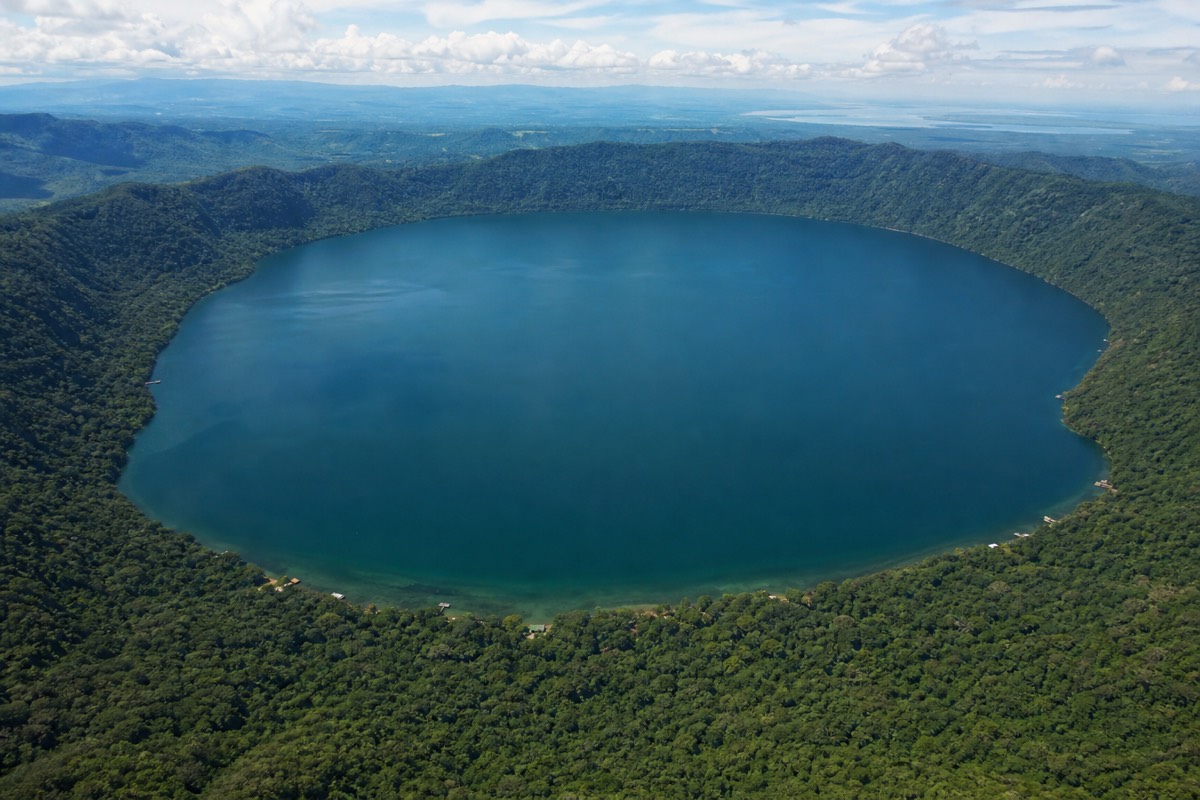
| Visit | Rough hours | What you get |
|---|---|---|
| Daytime | 9:00 am to 4:45 pm | Caldera scale, steam, sulfur smell, faint glow at best |
| Evening | 5:00 pm to 8:00 pm | The lava lake lighting the gas plume red after dark |
Because evening capacity is limited and fills fast in the dry season, the "is it open tonight" question often becomes "is there still space tonight." A reservation does not confirm park opening; verify both separately. A full-day tour built around the craft market can also fold the crater in if the evening window is tight.
Will My Tour Still Run If The Park Closes?
Reputable operators do not drive out to a shut gate. If the park closes for gas or activity, a good operator reschedules your date or refunds through the live listing rather than running a pointless trip. That is a strong argument for booking a guided visit over self-driving on a marginal day.
Ask about the reschedule and refund policy when you book, and give yourself a spare evening if your trip is short. Conditions at the rim change fast, and understanding the safety conditions at the rim helps you read why a closure is a good call. The exact booking option determines pickup, entry fees and the itinerary.