Best Time To Visit Masaya Volcano (2026)
The lava is there year-round. Whether you actually see it clearly comes down to two choices: the season and the time of day. Here is how to line both up, with a month-by-month scorecard for the clearest, most reliable lava-glow nights.
Booking Choice: A short private evening visit with a guide and designated-area return transport. Explore Private Masaya Evening From Granada
Lava-glow reliability, month by month
At A Glance: Choose your route and pickup first. A bookable tour does not guarantee park access or a lava view.
A planning guide based on Nicaragua's dry season (Nov-Apr) and wet season (May-Oct), not a forecast for a specific night.
When Is The Best Time To Visit Masaya Volcano?
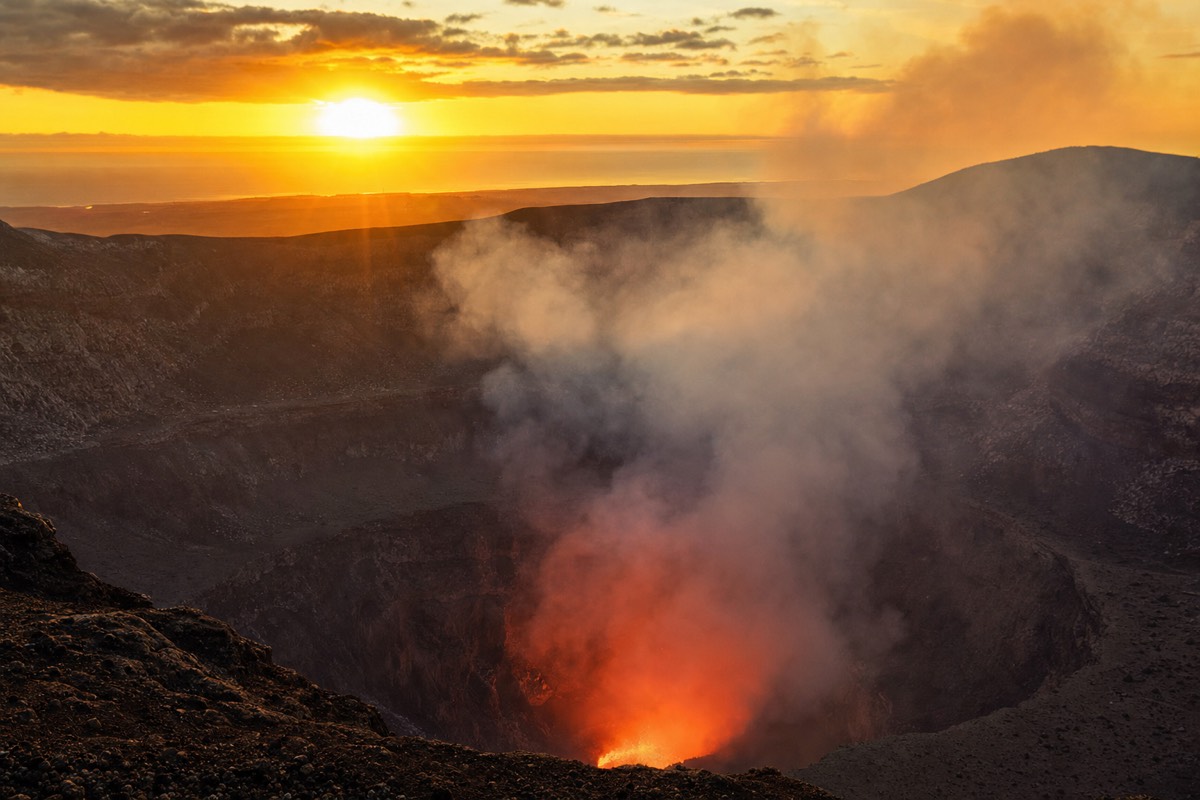
The best time to visit Masaya Volcano is the dry season, roughly November to April, with December to March the peak for clear skies. Whatever the month, go in the evening: the lava lake only reads as a vivid orange glow after dark. Dry-season nights combine the clearest air with the darkest, most reliable views of the molten crater.
Access, visible lava, walking routes and opening hours can change. A scheduled tour is not confirmation of park access. Verify the current itinerary and closure terms before paying; ordinary masks do not filter volcanic gases.
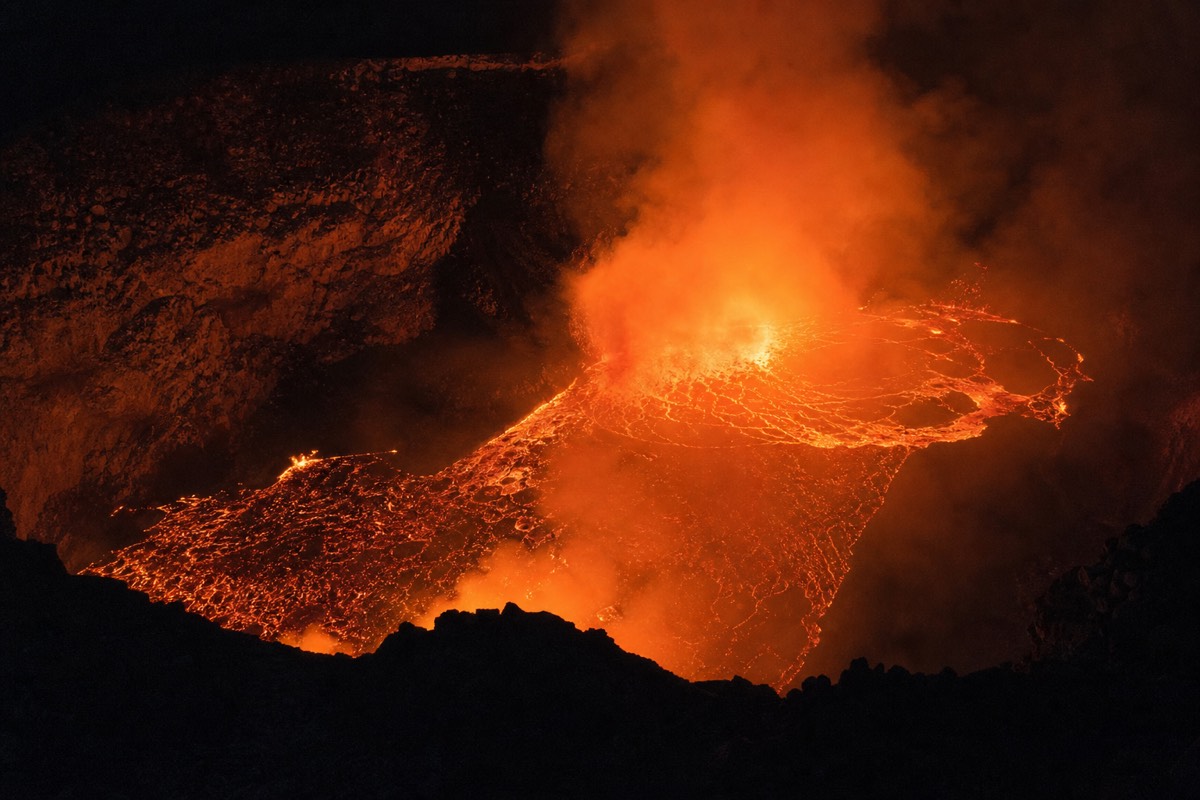
Two variables decide your experience, and they are independent of each other. Season controls how clear the sky and air are, which affects whether cloud and haze hide the glow. Time of day controls whether the lava shows at all, and it only does after sunset. Get both right and you get the full molten view; get one wrong and you can still enjoy the trip while missing the headline sight.
The short version is simple. Come in the dry months, book an evening visit, and pick a clear night. The rest of this guide breaks that down by season, by month, and by tour type, with honest notes on crowds and weather. To place it in the wider plan, pair this with our Masaya Volcano National Park guide and the logistics in how to reach the crater from Granada and Managua.
Everything we feature at Masaya Volcano Tours runs year-round with a flexible local operator, so if a night clouds over or the crater closes for gas, the trip can adapt rather than fall apart.
Dry Season Or Wet Season: What Is The Difference?
The dry season, about November to April, brings clearer skies, less haze, and the most reliable lava-glow nights, which is why it is prime time. The wet season, about May to October, is greener and quieter with lower prices, but afternoon and evening rain and cloud can veil the crater. Both seasons are visitable; the dry months simply stack the odds in your favour.
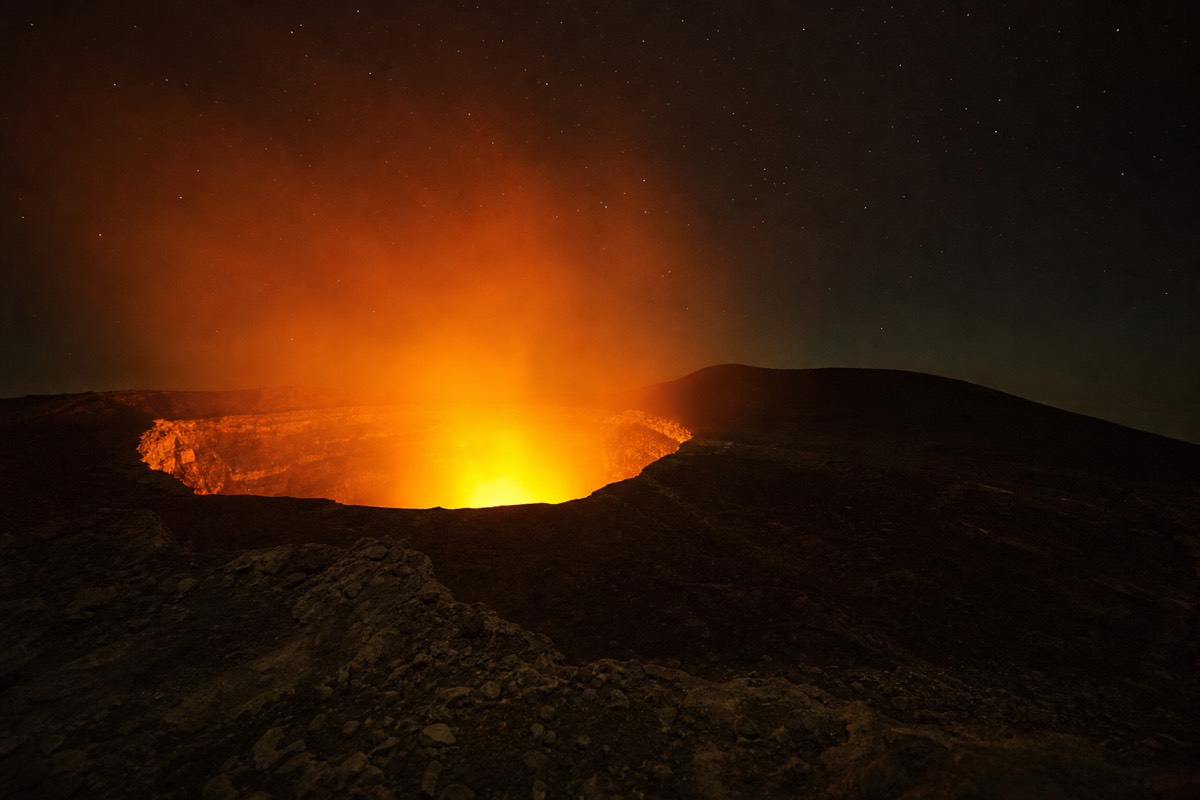
In the dry season, days are bright and evenings tend to stay clear, so the odds of a sharp, unobstructed view of the glow are highest. This is also peak tourist season, so the trade-off is more people and higher demand for the best evening slots. Check your actual date before arranging the rest of your day.
In the wet season, the landscape is lush and crowds thin out, and you may find better value. The catch is weather: rain clouds and haze can roll in and dim or hide the lava glow on a given night. It is far from a washout, since rain often comes in bursts rather than all day, but you should go in with flexible expectations. For the seasonal-versus-daily interplay, the month-by-month table below is the quickest reference.
| Factor | Dry season (Nov-Apr) | Wet season (May-Oct) |
|---|---|---|
| Sky clarity for the glow | Clearest, most reliable | Variable, cloud and rain possible |
| Crowds | Higher, book ahead | Lighter |
| Landscape | Drier, dustier | Green and lush |
| Prices and availability | Peak demand | Often better value |
| Best evenings fill | Dec-Mar book early | More spontaneous |
What Is The Month-by-month Outlook?
December through March are the standout months, with the clearest, most reliable evening skies for the lava glow. November and April are strong shoulder months on the edge of the dry season. May through October are wetter, with more cloud risk, though the glow is still often visible between rain. The scorecard below rates each month for clear-sky reliability.
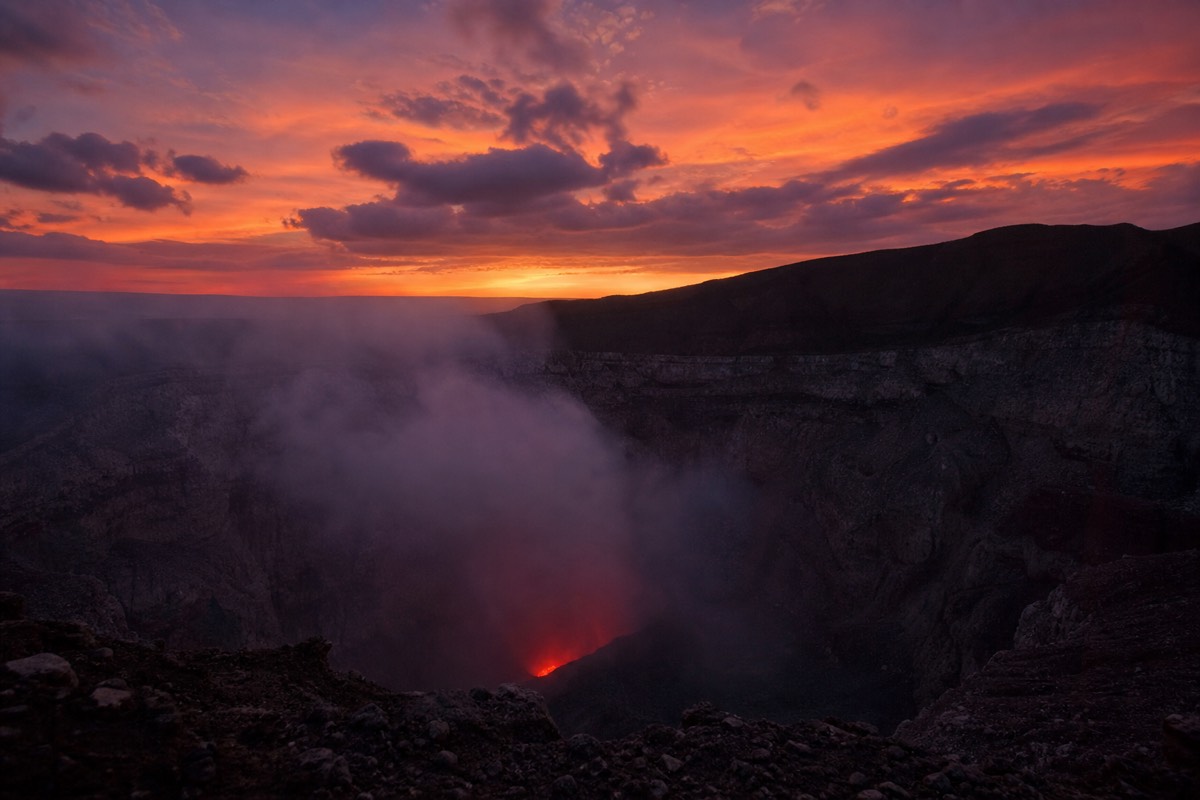
Think of the scores as a planning aid based on Nicaragua's dry and wet season pattern, not a weather guarantee for a specific night. A high-scoring month is more likely to hand you a crisp, cloud-free view of the molten crater; a lower-scoring month asks for a bit more luck and flexibility. Any month can still deliver a great night, and any month can cloud over.
If your dates are fixed in the wet season, do not despair. Book with a flexible operator, keep an eye on the forecast, and be ready to shift a night. If your dates are open, aim for the December-to-March window and reserve early. Either way, the evening timing matters more than the month, which the next section explains.
| Month | Season | Clear-sky reliability | Notes |
|---|---|---|---|
| January | Dry (peak) | High | Clear, cool nights, busy |
| February | Dry (peak) | High | Reliably clear, book ahead |
| March | Dry (peak) | High | Clear and dry, warmer |
| April | Dry (late) | Good | Hot, dusty, still mostly clear |
| May | Early wet | Moderate | First rains arrive |
| June | Wet | Lower | Cloud and showers likely |
| July | Wet | Lower | Rain common, greener landscape |
| August | Wet | Lower | Cloud risk, fewer crowds |
| September | Wet (peak rain) | Lowest | Wettest stretch of the year |
| October | Late wet | Lower | Still wet, easing late month |
| November | Early dry | Good | Skies clearing, quieter |
| December | Dry (peak) | High | Clear, festive, busy |
Is Night Or Day The Best Time To See The Lava?
Night is the best time by a wide margin if the lava glow is your goal. The Santiago Crater looks like a grey, gassy pit in daylight, and only after dark does the molten surface read as a vivid orange glow. Daytime is better for the trails, the museum, and the caldera views, but for live lava, go in the evening.
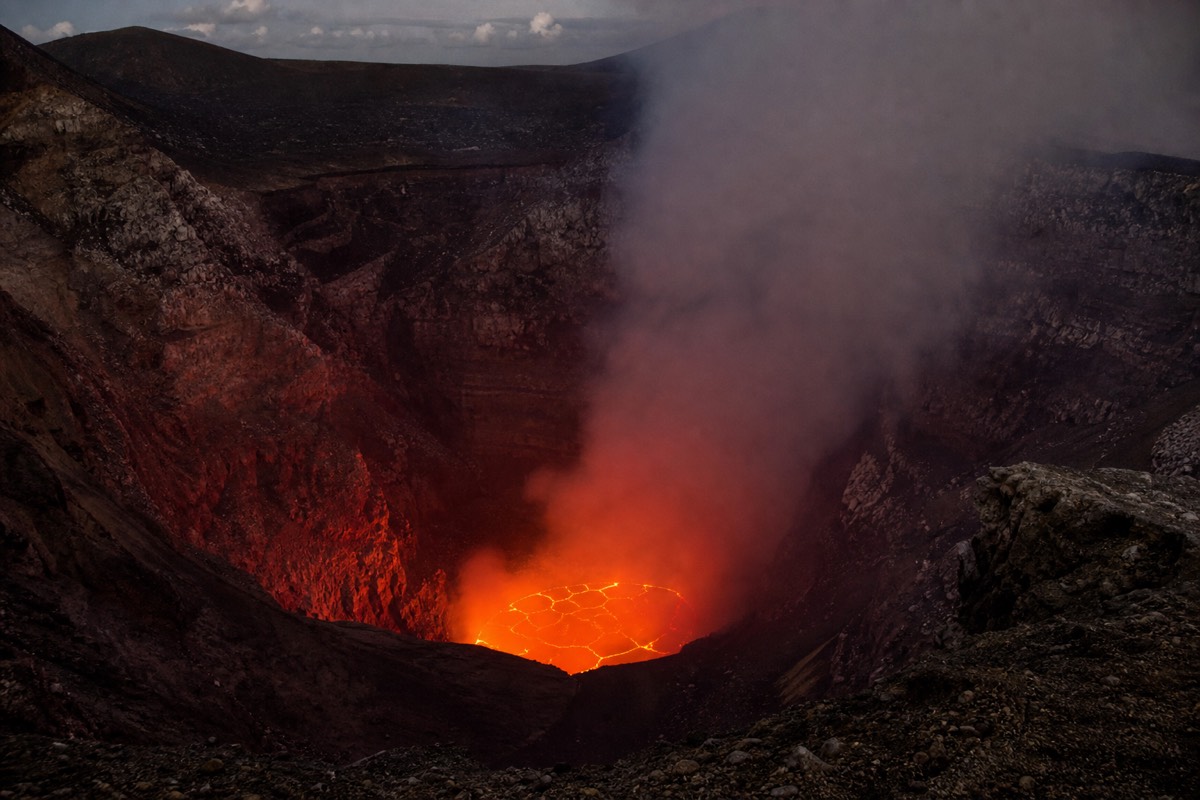
This is the single most important timing decision, more than the month. A perfect dry-season day at noon will still show you a grey pit, while a decent evening will show the glow. The park runs a dedicated short evening window for exactly this reason, and it is the slot the tours are built around.
If you can, combine the two. A full day lets you walk the lava fields and see the museum in daylight, then finish at the rim as the sky darkens and the glow appears. Otherwise, prioritise the evening. To lock in the glow, book the night tour to the glowing crater, or choose a private night lava tour for a smaller group and flexible timing.
| Timing | Lava glow | Also good for |
|---|---|---|
| Daytime (9:00-4:45) | Not visible, grey pit | Trails, museum, caldera views |
| Evening (5:00-8:00) | Vivid orange glow | The main lava spectacle |
| Full day into evening | Best of both | Trails by day, glow at dusk |
When Is The Lava Lake Most Visible?
The lava lake is most visible on a clear, dark, low-wind night in the dry season, when haze is minimal and the gas plume is not blown across your view. Visibility also depends on the lake itself, which rises, falls, and crusts over, so how much molten surface you see varies. No honest tour promises a fixed view.
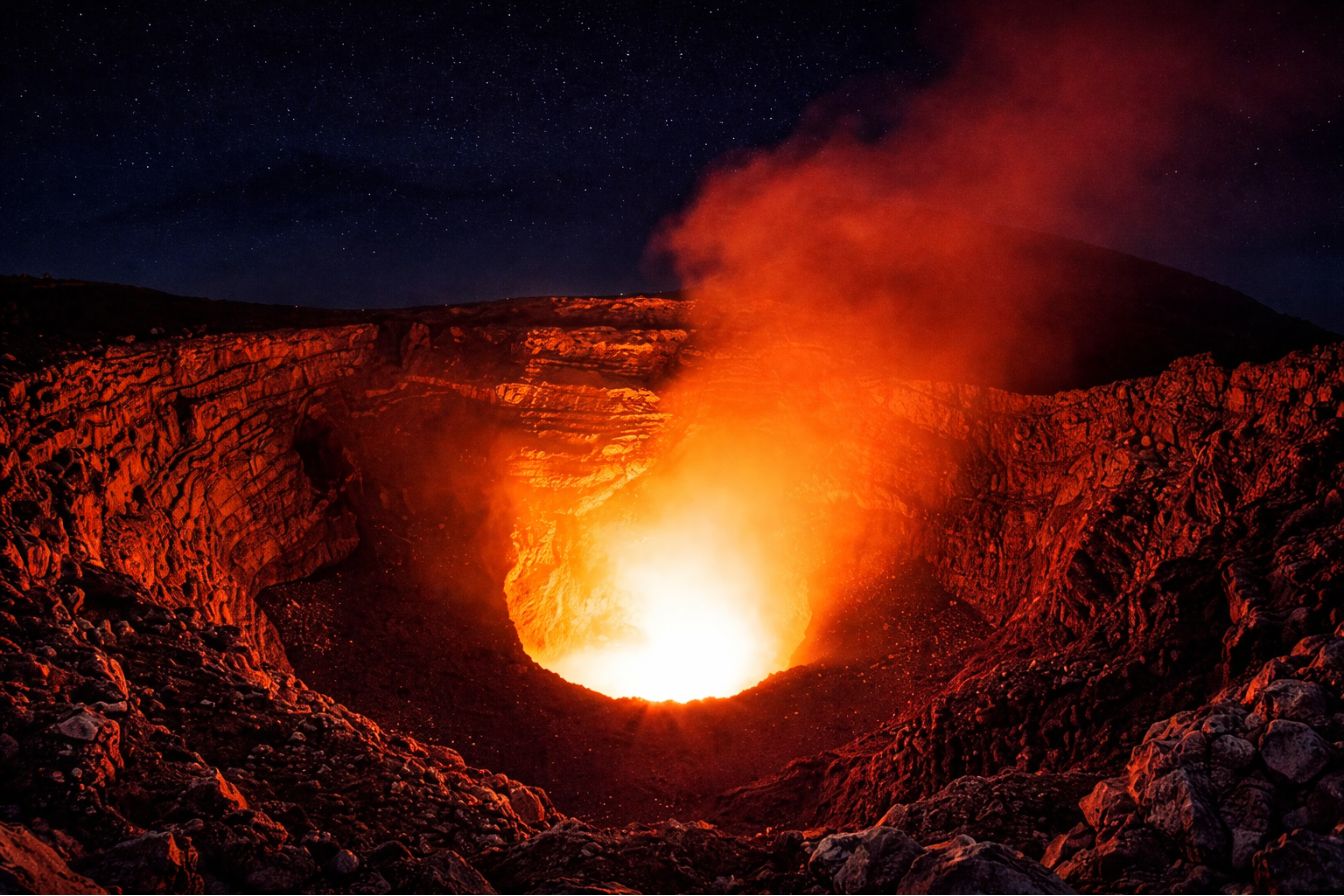
The Smithsonian Global Volcanism Program notes that Masaya's lava lake has been visible from the rim during its active periods, but its level and behaviour change over time. On a good night the pool glows brightly; on an off night it may be lower or partly crusted, showing more of a red seam than an open lake.
Wind is the underrated factor. A stiff breeze can either clear the sulphur plume for a crisp view or push it straight across the crater and veil the glow. This is out of anyone's control, which is another reason to build in flexibility and, ideally, to visit on more than one evening if your trip allows. For the geology behind the lake, see whether the volcano is still active.
How Do Crowds Vary Through The Year?
Crowds track the dry season. Check your actual date before arranging the rest of your day. The wet season, May to October, is noticeably quieter. If you want the clearest skies you accept more people; if you want space, trade a little reliability for the shoulder or wet months.
The evening lava window concentrates visitors into a narrow slot, so even a moderately busy night can feel crowded at the rim, where the stop is only about 5 to 15 minutes and vehicles rotate through. Booking ahead in peak season secures your spot; a private tour buys a smaller group and calmer pacing.
For fewer people with acceptable odds of clear skies, the shoulder months of November and April are a sweet spot, and early or late in the evening slot tends to be quieter than the middle. If your priority is a serene experience over guaranteed clarity, the tail end of the wet season into November can be lovely and uncrowded.
What Is The Weather Like, And What Should You Pack?
Expect warm days year-round, with dry-season nights cool and breezy on the exposed rim and wet-season afternoons prone to showers. Pack a light jacket for the evening breeze, closed shoes, sun protection for daytime, and a small rain layer from May to October. The rim can feel windy even after a hot day, so a thin layer earns its place.
Temperatures do not swing dramatically by season, but rainfall does. Dry-season evenings are the most comfortable and reliable, occasionally cool enough at the breezy rim to want a jacket. Wet-season days are humid and green, with rain that often arrives in the afternoon or evening, so a packable rain shell is worth carrying.
For the crater specifically, keep it simple: closed shoes, a light layer, water, and a phone or camera you can steady in the dark. Skip flash, which does nothing for a lava lake at night. The table below sorts packing by season so you are ready whichever months you travel.
| Item | Dry season | Wet season |
|---|---|---|
| Light jacket for the rim | Yes, evenings cool | Yes |
| Rain layer | Rarely needed | Yes, showers likely |
| Sun protection | Essential by day | Still useful |
| Closed shoes | Yes | Yes, ground can be muddy |
| Water | Yes | Yes |
When Should You Book, And Does The Crater Ever Close?
Book dry-season evenings well ahead, since the clearest December-to-March nights fill from advance reservations. In the wet season you can be more spontaneous. Separately, the crater can close at short notice in any season when volcanic gas or activity rises, which is not seasonal, so a flexible operator and a backup evening are wise whenever you go.
Advance booking is really about the peak. Check your actual date before arranging the rest of your day. Off-peak, walk-up or short-notice booking is more realistic, though reserving still lets you agree pickup and review the terms.
Closures are a different matter and worth understanding. The park restricts rim access when gas levels or activity climb, based on monitoring by Nicaragua's institute, and this can happen in any month. It is a safety measure, not a seasonal pattern, so the fix is flexibility rather than a particular travel window. Check whether the park is open right now before you go, and if you are weighing the trip overall, our view on whether Masaya Volcano is worth visiting may help.
What Is The Best Time For Each Type Of Tour?
For the lava glow, any dry-season evening is ideal, via the private night tour. For a fuller day out, a dry-season daytime-into-evening full-day trip pairs the trails, market, or villages with the glow at dusk. The wet season still works for all of them with more weather flexibility and lower crowds. Timing follows the same rule: evenings for lava, days for everything else.
The night tours are the purest lava play, so pick a clear dry-season evening and book ahead in peak months. The full-day combinations, like the full-day art market and white villages tour, give you daytime culture and scenery plus the evening crater, which is a smart way to use a clear dry-season day end to end.
Whatever you choose, the two rules hold: come in the drier months for the clearest skies, and see the crater after dark for the glow. Line those up with a flexible operator and a spare evening if you can, and you give yourself the best possible shot at the full molten view. To round out your dates, our timing advice connects with the wider planning in the national park and getting-there guides.