Is Masaya Volcano Worth Visiting?
A working lava lake you can drive up to and look straight into, only a short evening from Granada. Here is the honest case for and against putting Masaya on your Nicaragua plan.
Booking Choice: A short private evening visit with a guide and designated-area return transport. Explore Private Masaya Evening From Granada
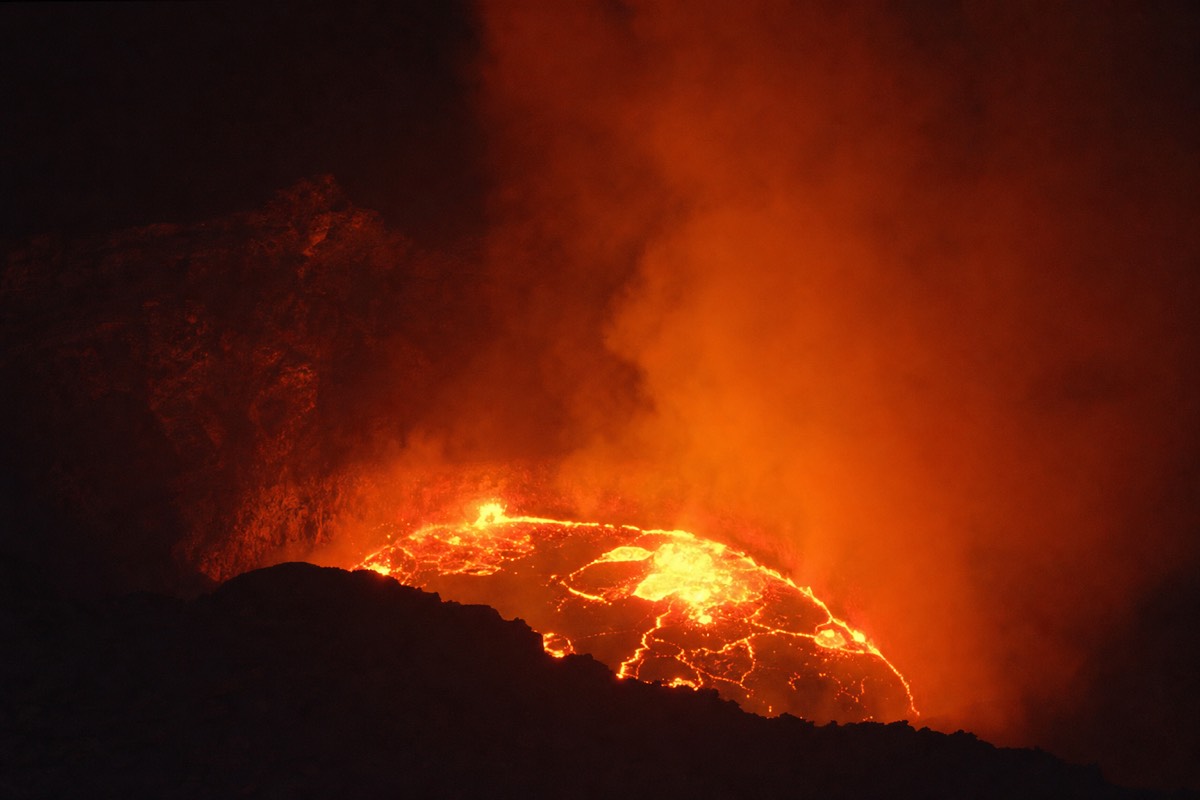
Yes. Masaya Volcano is worth visiting for one reason most volcanoes cannot offer: you can drive almost to the rim and look straight down into an active lava lake that glows after dark. The crater stop is short, but standing over moving lava is rare enough to earn the trip.
At A Glance: Choose your route and pickup first. A bookable tour does not guarantee park access or a lava view.
Access, visible lava, walking routes and opening hours can change. A scheduled tour is not confirmation of park access. Verify the current itinerary and closure terms before paying; ordinary masks do not filter volcanic gases.
So Is Masaya Volcano Actually Worth It?
For most travellers, yes. Masaya is one of only a handful of places on Earth with a lava lake you can see with the naked eye, reached by road rather than a hard climb. Add its easy distance from Granada, and the payoff for the effort is hard to beat in Nicaragua.
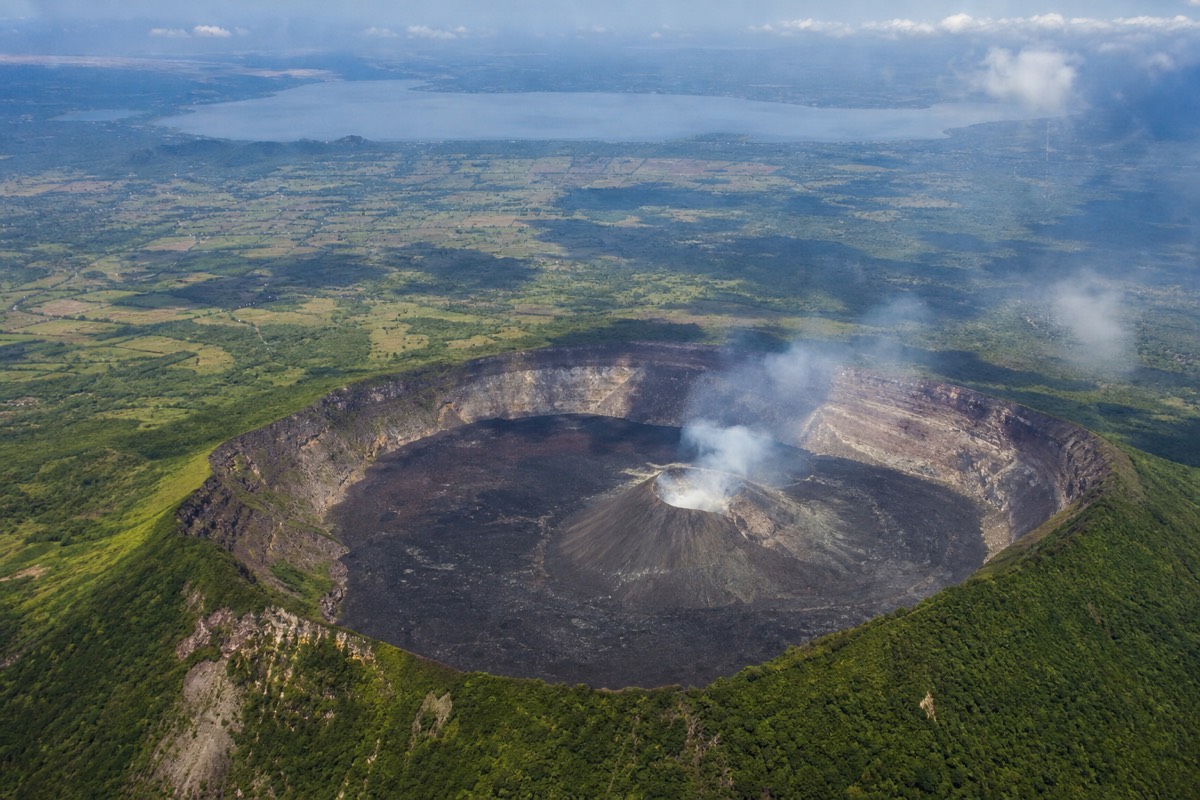
The draw is the crater itself. Santiago Crater holds a lava lake that has stayed active for long stretches, documented by the Smithsonian Global Volcanism Program, and on a clear night you can watch it churn and throw orange light against the gas plume. Very few volcanoes give you that view without ropes, a rope team, or a dawn slog up loose rock.
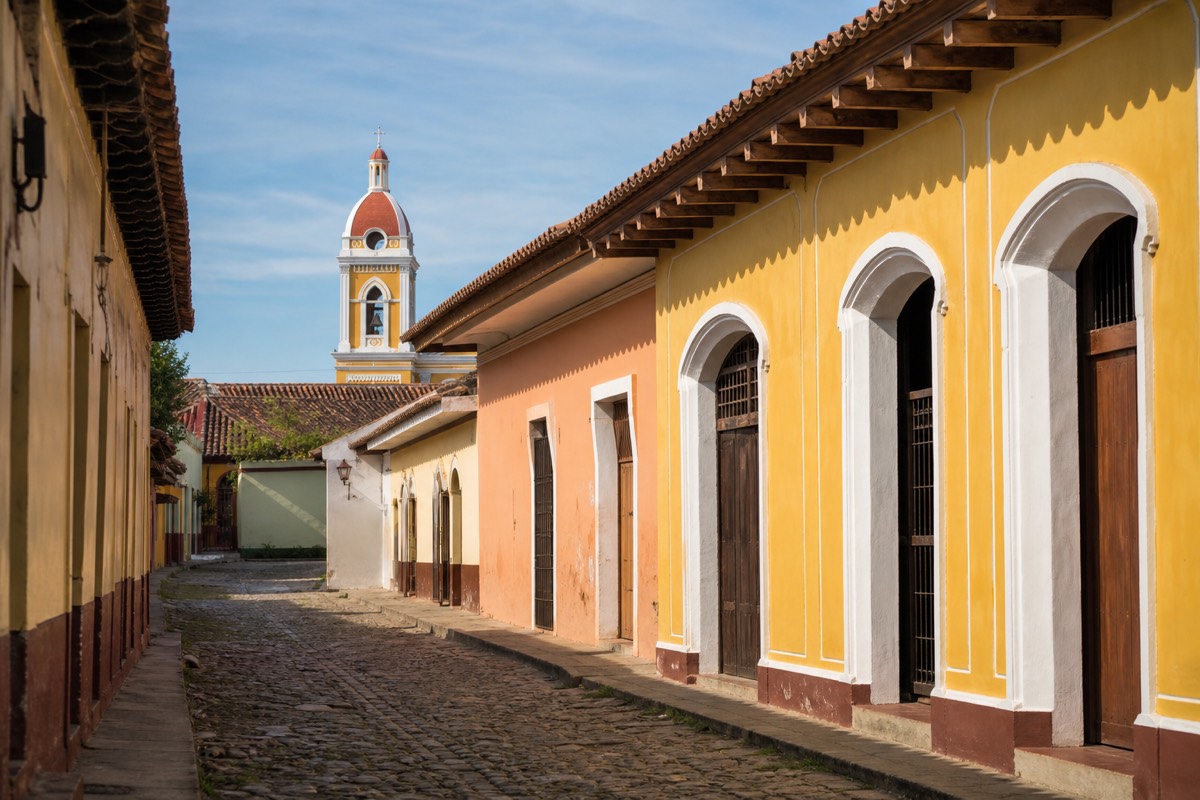
Access is the other half of the answer. The road runs close to the rim, so the walk to the viewpoint is short. That is why a visit fits into an evening: the park sits inside Masaya Volcano National Park, an easy drive from the main tourist towns. The exact booking option determines pickup, entry fees and the itinerary.
What Makes The Crater Stop Special?
The glow. During the day you see a smoking pit; after dark the lava lake lights the underside of the gas cloud red, and that is the image people remember. Night visits time the stop for dusk, when the contrast is strongest and the crater feels genuinely alive.
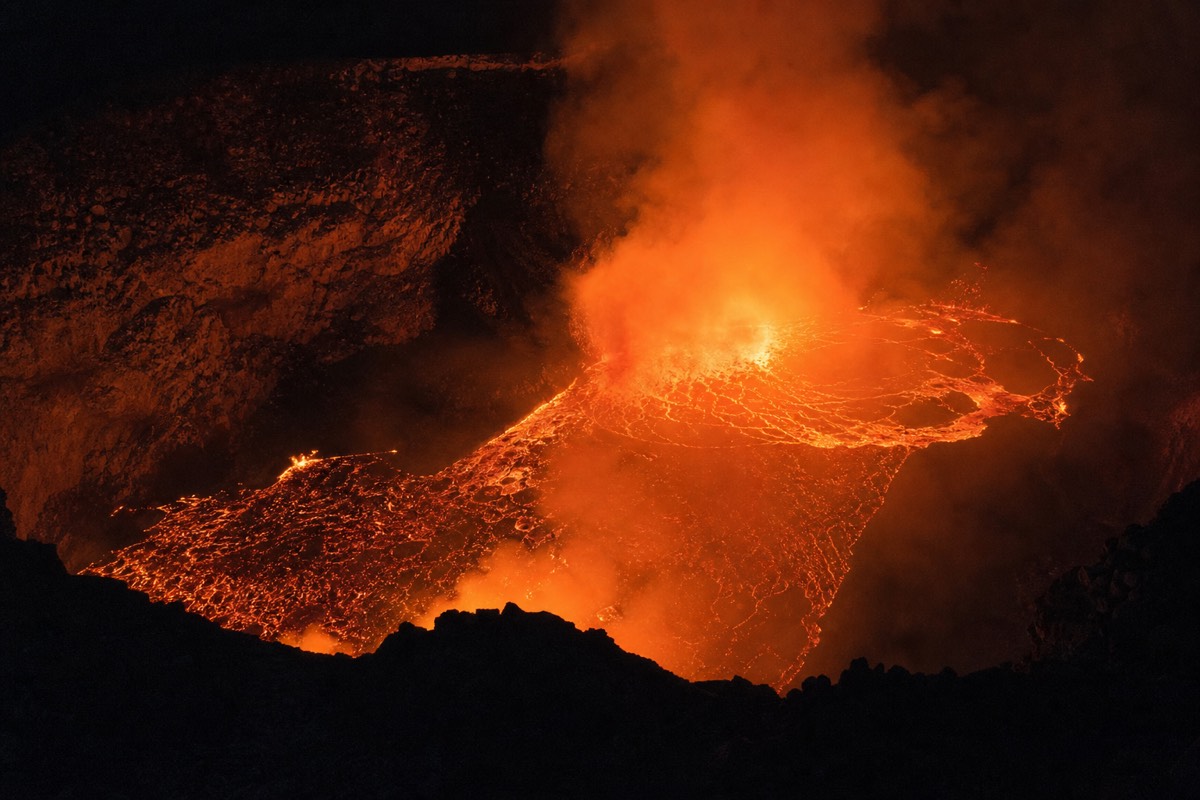
Daytime gives you the scale of the caldera, the steam, and the sulfur smell, but the lava reads as a faint glow at best under the sun. This is why the evening slot is the one worth booking. Travellers report that the gap between a midday look and an after-dark look is the gap between a nice viewpoint and a real memory. The dry season gives the steadiest glow, covered in our guide to the best months for a clear lava view.
Options run from a shared night tour to the glowing crater to a private night lava tour for groups who want their own vehicle and pace.
Who Should Visit, And Who Might Skip It?
Best for first-time Nicaragua visitors, families, photographers, and anyone short on time who still wants a real volcano. Skip it if you need a long summit hike, cannot tolerate volcanic gas, or expect to linger at the edge, because rangers keep the rim stop to roughly 5 to 15 minutes on busy nights.
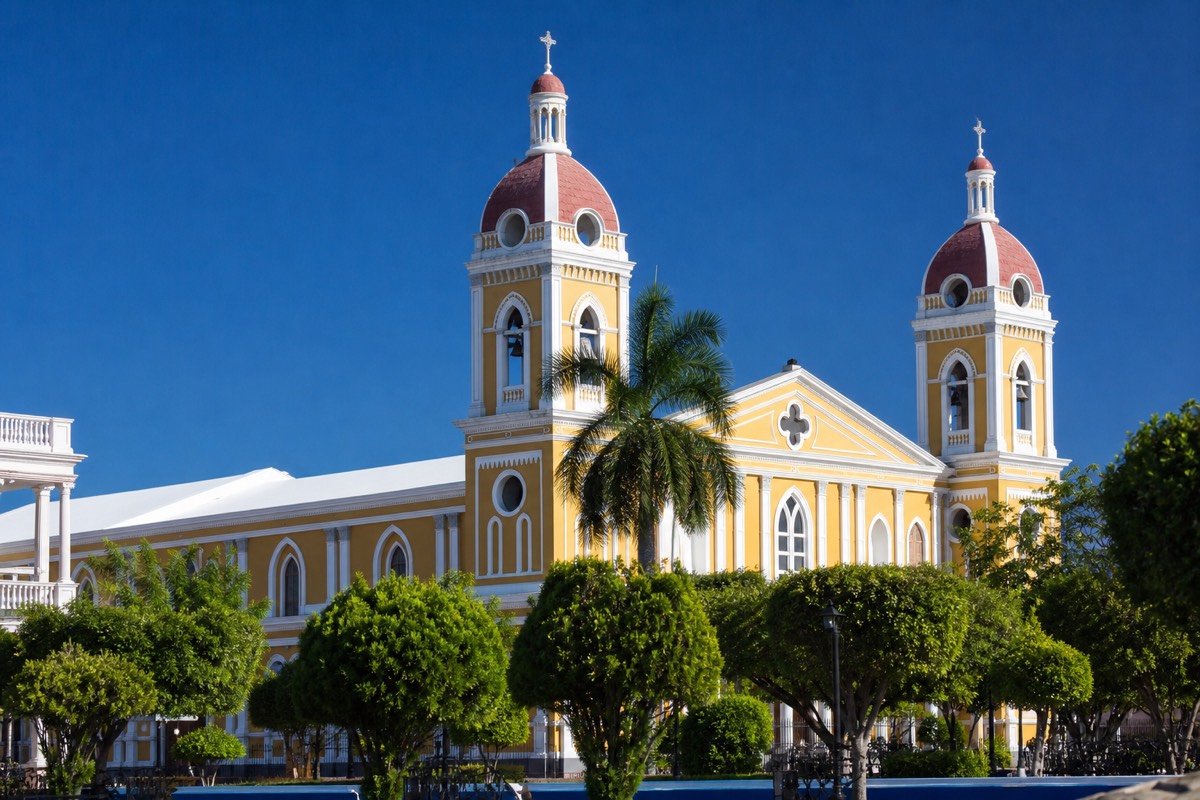
- Great fit: travellers based in Granada who want a half-evening highlight, people who cannot manage a strenuous climb, and anyone chasing a strong photo with little effort.
- Think twice: hikers wanting summit mileage, visitors with asthma or heart conditions sensitive to sulfur, and anyone expecting to sit at the rim for an hour.
The short rim time is the honest catch. You are moved through the viewpoint so everyone gets a turn and no one lingers in the gas. If you want a full day rather than a quick stop, the full-day art market and white villages tour pairs the volcano with craft markets and colonial towns. Unsure about conditions at the edge? See whether it is safe to visit.
How Much Does A Visit Cost And How Long Does It Take?
Budget for an evening, return transport and the current entry charge. The short Granada tour is listed at 90–120 minutes; the other private night tour takes 2–3 hours. Compare complete quotes, including any fees paid separately.
Independent drivers pay the gate fee and handle their own timing, but a guided trip can combine pickup and guide time; entry inclusions differ. Tour totals depend on the selected route, party and extras. Compare complete quotes in the calculator below. Our complete park visitor guide covers hours, fees, and what to see in our complete park visitor guide.
Night Or Day: Which Is Worth Your Time?
Night, almost every time. The lava glow is the whole point, and it only shows after dark. Daytime works if evenings are booked out or the sky is hazy, but if you can choose, book the dusk slot and let the crater do its trick as the light drops.
Day visiting hours run roughly 9 am to 4:45 pm, while the short evening window runs roughly 5 pm to 8 pm, and both can shift with conditions. Check your actual date before arranging the rest of your day. Weighed against the effort, a clear night at Masaya is one of the easiest big-payoff outings in the country.