Things To Do In Granada, Nicaragua (with Masaya Volcano)
Colonial streets, a lake full of tiny islands, craft-market villages, and an active volcano half an hour away. Granada packs a lot into a small, walkable grid.
Booking Choice: Link Granada’s colonial streets, the Isletas boat route and Masaya in one private itinerary. Explore Granada City, Isletas And Masaya
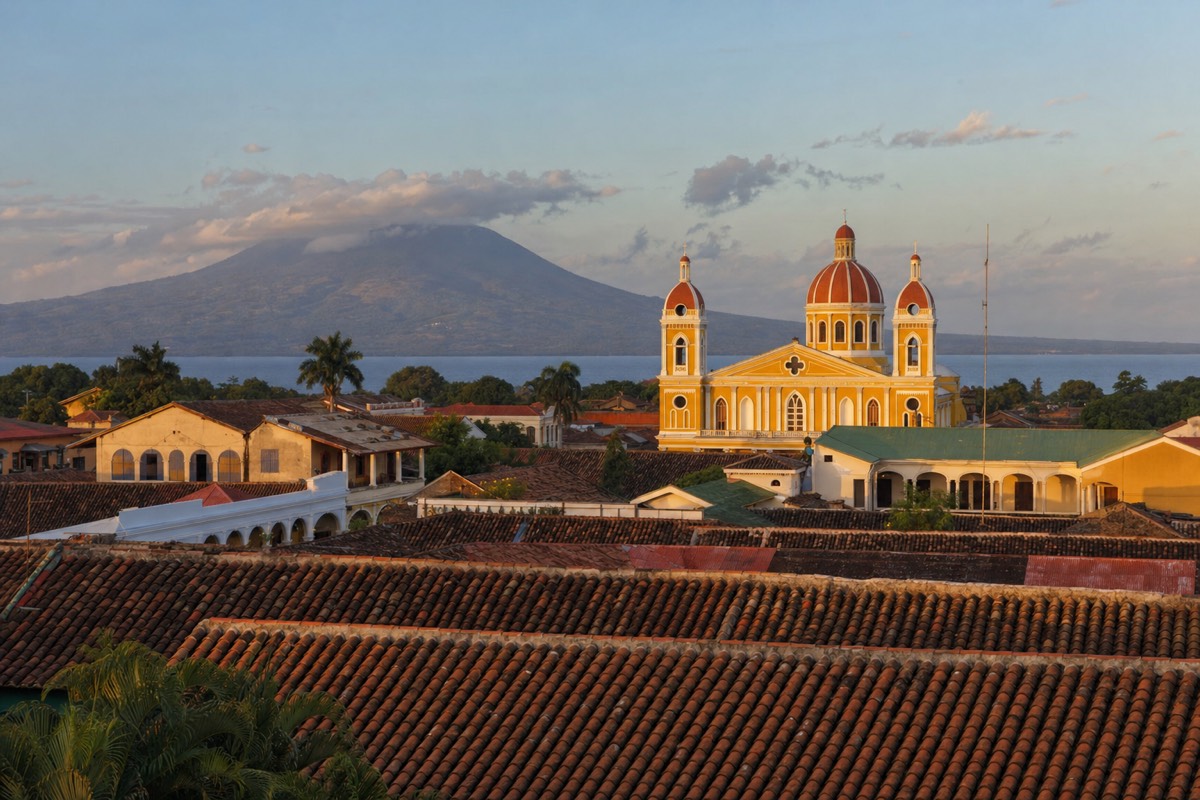
Granada wears its age well. Pastel facades line a grid of low colonial streets, horse carts still clip past the plaza, and at the end of Calle La Calzada the lake opens out toward a scatter of tiny green islands. It is Nicaragua's most-visited colonial city, small enough to cross on foot, and it happens to sit a short drive from one of the few volcanoes on Earth with a lake of lava you can watch glow after dark.
At A Glance: Choose your route and pickup first. A bookable tour does not guarantee park access or a lava view.
Access, visible lava, walking routes and opening hours can change. A scheduled tour is not confirmation of park access. Verify the current itinerary and closure terms before paying; ordinary masks do not filter volcanic gases.
That double life, walkable heritage city by day and volcano base by night, is what makes Granada such an efficient place to spend a few days. This guide runs through the best things to do in the city itself, the boat trip and villages nearby, and why Masaya Volcano is the standout day trip. For the crater in detail, pair it with our Masaya Volcano National Park guide.
One, two or three days in Granada
The day plan is a suggestion; the distance and fee figures come from the site's verified research on the Granada-to-Masaya region.
What Are The Best Things To Do In Granada, Nicaragua?
The essentials are the cathedral and central plaza, the yellow La Merced church with its climbable bell tower, the restaurant-lined Calle La Calzada, a boat trip through Las Isletas on Lake Nicaragua, and the craft markets and white villages nearby. The top day trip is Masaya Volcano, about 30 to 40 minutes away, best seen after dark.
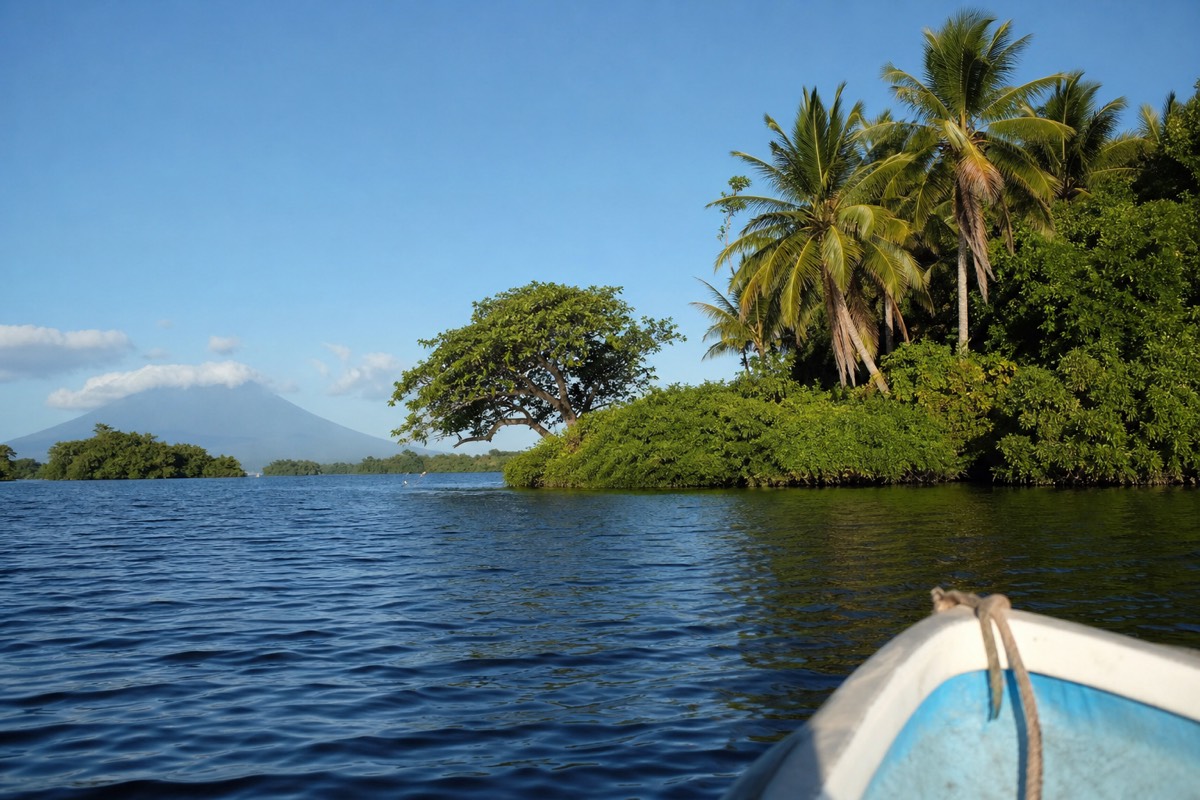
Granada rewards a slow wander more than a checklist. The colonial core is compact, so you can drift between the plaza, the churches and the lakefront in a morning, then use afternoons and evenings for the boat trip, the markets and the volcano. The mix is the point: heritage streets, a freshwater lake dotted with islands, artisan villages on the crater rim, and a live volcano within reach.
Most visitors build their days around one anchor each: a city day, a lake day, and a volcano day. That structure keeps the driving short, since the highlights cluster on the same side of the region. It also lets you match the light, with the city best in the golden late afternoon and the volcano best after sunset. The Granada colonial city and lava tour is built around exactly that pairing.
| Attraction | Type | Roughly how long | Best for |
|---|---|---|---|
| Cathedral and Parque Central | Heritage and people-watching | Under an hour | First orientation and photos |
| La Merced bell tower | Viewpoint | About half an hour | Rooftop views over the city |
| Calle La Calzada | Dining and street life | An evening | Dinner and atmosphere |
| Las Isletas boat trip | Lake and wildlife | Half a day | Monkey Island and the fortress |
| Masaya craft market and villages | Shopping and culture | Half a day | Hammocks, crafts, viewpoints |
| Masaya Volcano | Active volcano | An evening | The lava glow after dark |
Why Base Yourself In Granada?
Granada is the region's natural hub: a walkable colonial city with the widest choice of places to stay and eat, close to the airport, and within a short drive of Masaya Volcano, Laguna de Apoyo and the white villages. Many tours serve Granada, but some verified combinations depart from Managua and the boarding trips start in León. Check pickup before booking.
The city's compactness is half the appeal. You can leave your bags, explore on foot for a day, and then fan out to the lake, the crater and the markets without long drives. From the international airport at Managua, the city is roughly a half-hour to 45 minutes away, so you can land and be strolling the plaza the same afternoon.
It also concentrates the practical stuff: cafes, tour desks, ATMs and a spread of accommodation from hostels to boutique hotels in old courtyard houses. Because operators run most trips out of Granada, being here means shorter pickups and later returns from the volcano. The exact booking option determines pickup, entry fees and the itinerary.
The Cathedral And Parque Central
The cathedral and the adjoining Parque Central are the heart of Granada. The yellow-and-white church anchors the skyline, and the shaded plaza in front is where the city gathers, with benches, food carts and horse carts waiting for fares. It is the obvious place to start, get your bearings, and feel the rhythm of the town.
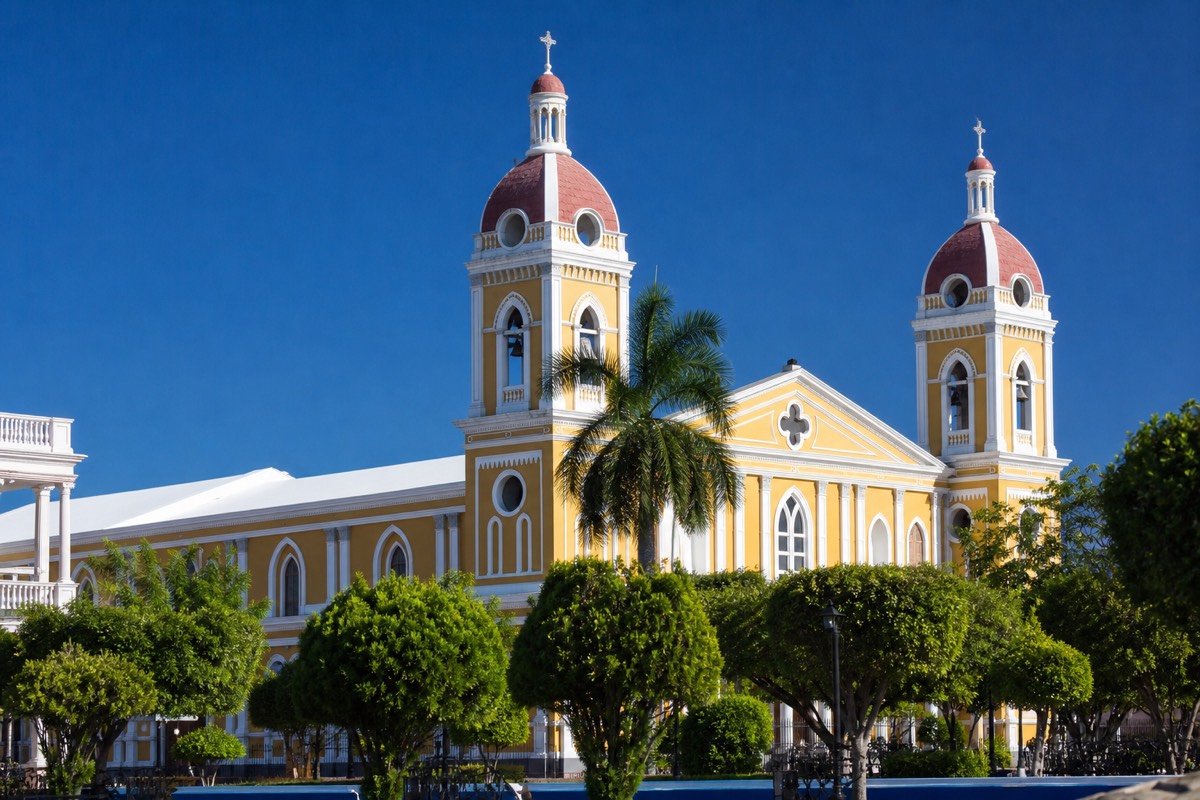
The central square is a working plaza rather than a museum piece. Locals cross it on errands, vendors sell quesillos and fresh juice, and the cathedral's towers give the streets their landmark. Spend the first half-hour here simply orienting: the main streets radiate off the square, so once you have the plaza fixed, the rest of the grid falls into place.
From the square it is a short walk in any direction to the other highlights, which is exactly why it works as a base point for a city day. Aim to pass through in the late afternoon when the light warms the facades, then linger for the early evening as the plaza fills. It sets up the walk down Calle La Calzada toward the lake perfectly.
La Merced Church And Its Bell Tower
La Merced is Granada's most photogenic church, a weathered ochre facade a few blocks from the plaza, and its real draw is the bell tower. For a small fee you can climb up for one of the best views in the city, a full sweep of the terracotta rooftops, the cathedral, Lake Nicaragua and the volcanoes on the horizon.
The climb is short and the payoff is large. From the top the colonial grid spreads out below in warm tones, and on a clear day you can pick out the lake to the east and the volcanic peaks that ring the region, including the smoking cone of Masaya. It is the single best spot to understand how the city sits between water and volcano.
Time it for late afternoon. The low sun turns the rooftops gold and the temperature drops enough to enjoy standing up there, and it makes for the trip's signature photo. If you are stringing together a city day, the tower pairs naturally with the plaza and a walk down to the lakefront, and it primes you for the volcano views you will get in person on a Masaya evening.
Calle La Calzada: The Main Street
Calle La Calzada is Granada's pedestrian-friendly spine, a straight run of restaurants, bars and cafes leading from near the cathedral down toward Lake Nicaragua. In the evening the tables spill onto the street, musicians play, and it becomes the natural place to eat, drink and watch the city unwind after dark.
By day the street is quieter, good for a coffee and a slow look at the colonial buildings. By night it is the social heart of town, lively without being overwhelming, and the easiest place to find dinner across a range of budgets. Walking its length also delivers you to the lakefront, where the water opens out and you can see across toward the islands.
It is the obvious way to cap a city day. Climb the bell tower for sunset, drift down La Calzada for dinner, and you have covered heritage, views and food in a single afternoon and evening. On a volcano-focused trip, it also makes a fine landing spot after an evening at the crater, since the night tour to the glowing crater usually returns you to town in time for a late meal.
Las Isletas: A Boat Trip On Lake Nicaragua
Las Isletas is a scatter of around 360 tiny islands just off Granada on Lake Nicaragua, formed by an ancient eruption of the nearby volcano. A boat trip weaves between them past homes, birdlife and jungle, with two classic stops: Monkey Island, where rescued monkeys live, and the small San Pablo fortress that once guarded the lake.
The islands are a different world from the city grid. Some hold single houses, some are wild and green, and the water between them is calm and easy to cruise. Boats leave from the lakeshore near Granada, and a half-day is plenty to take in the highlights at an unhurried pace, with the volcanoes as a backdrop across the water.
Monkey Island is the crowd-pleaser, a small island home to monkeys you view from the boat, while the San Pablo fortress adds a slice of colonial history from the days when pirates raided up the lake. The trip is included on the Granada colonial city and lava combination, which stitches the boat ride, the city and the crater into one day. Prices below are indicative starting points from the operators' listings; check the live listing for today's price.
| Stop | What it is |
|---|---|
| The islets | Around 360 small islands formed by a past volcanic eruption |
| Monkey Island | A small island home to rescued monkeys, viewed from the boat |
| San Pablo fortress | A small colonial fort that once guarded the lake |
| Birdlife and homes | Herons, kingfishers and island houses along the channels |
Pueblos Blancos And The Masaya Craft Market
The Pueblos Blancos, or white villages, are a cluster of craft towns on the highlands between Granada and Masaya, known for hammocks, pottery and plant nurseries. The best-known shopping stop is the Masaya craft market, the Mercado de Artesanias, where the region's woodwork, textiles and hammocks are gathered under one roof.
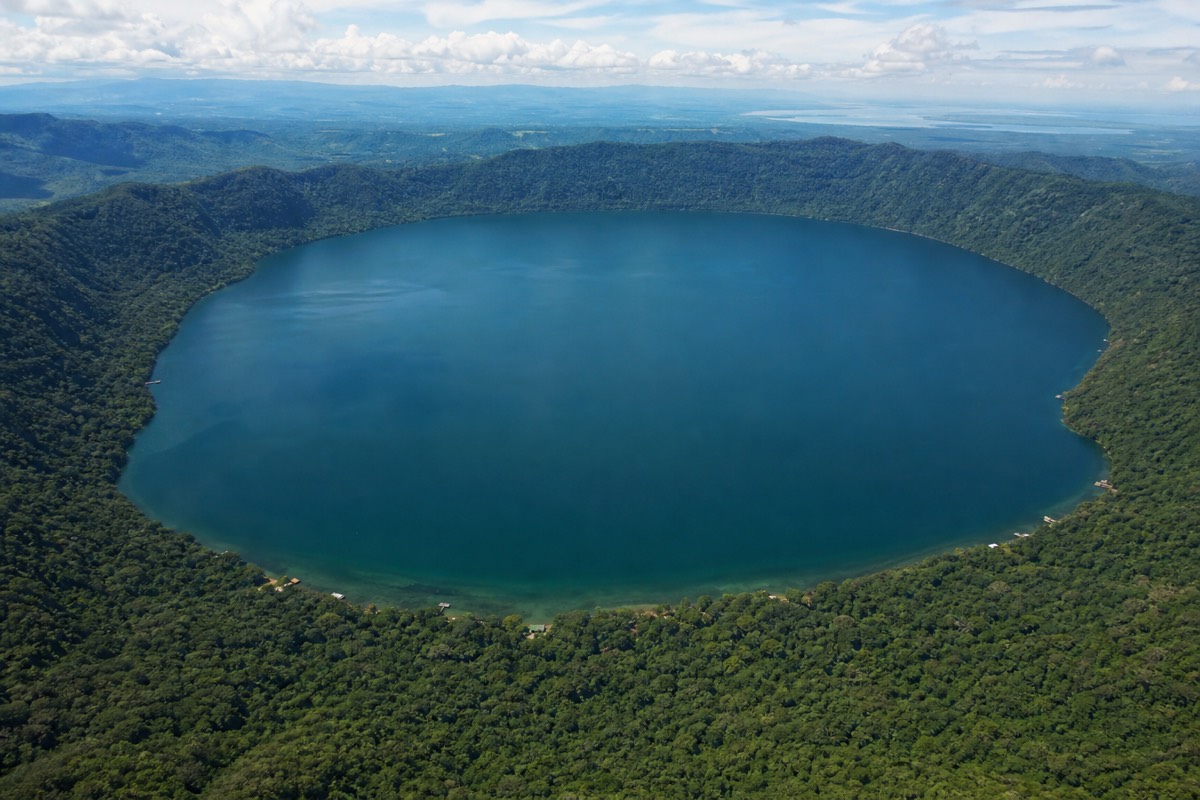
The villages are where the region's crafts are actually made, so buying here means seeing the workshops behind the goods. Catarina, on the rim above Laguna de Apoyo, is famous for its plant nurseries and its viewpoint, while neighboring towns specialize in everything from pottery to woven furniture. It is a relaxed half-day of browsing, viewpoints and small-town life.
The Masaya craft market pulls it all together in the city of Masaya, a good one-stop for souvenirs if you are short on time. The markets and villages form the culture-and-shopping half of the full-day art market and white villages tour, which balances the browsing with a visit to the volcano itself. It is the gentlest way to spend the daylight hours before the crater comes alive after dark.
Masaya Volcano: The Top Nearby Thing To Do
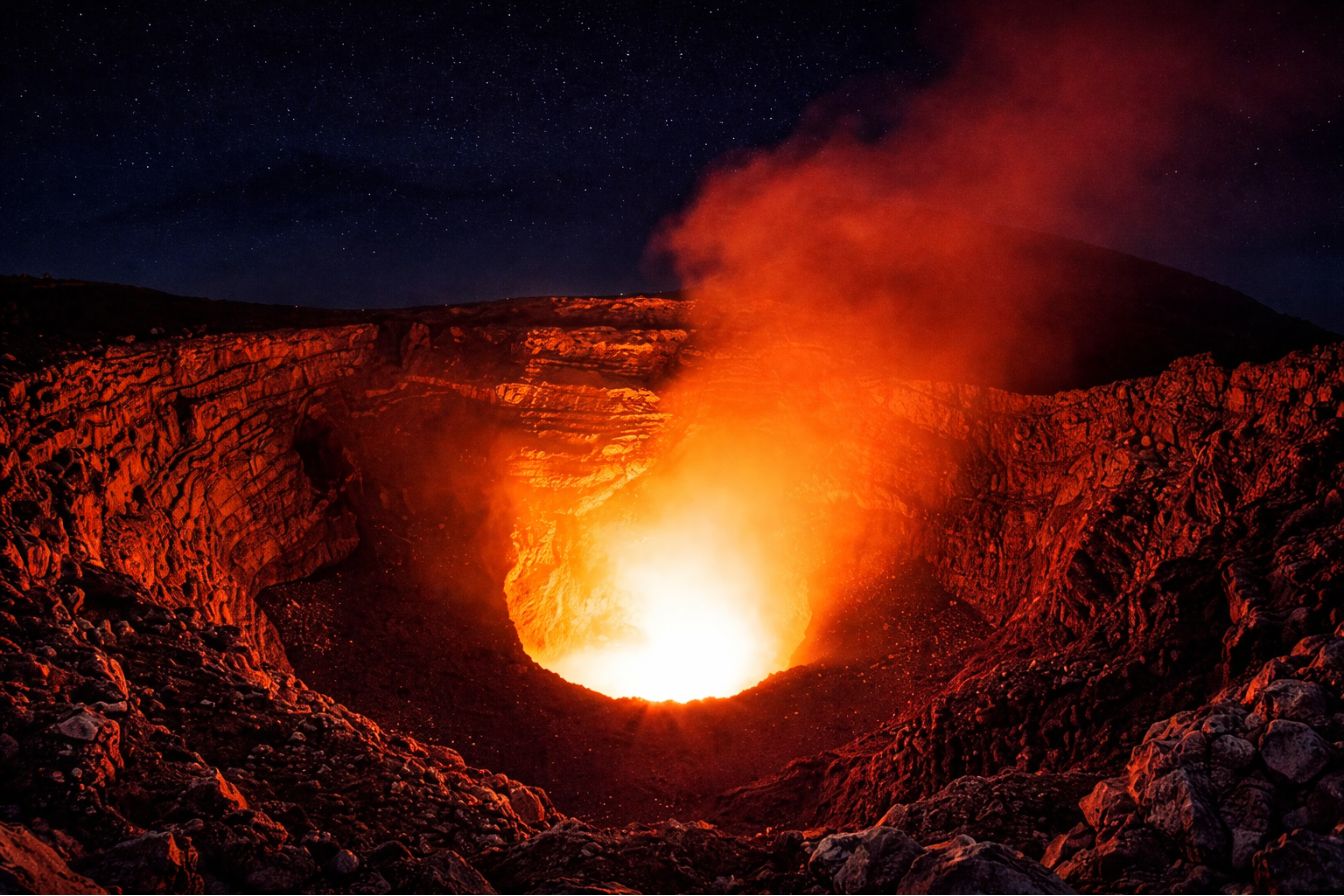
Masaya Volcano is Granada's headline day trip: an active volcano about 30 to 40 minutes away whose Santiago Crater holds a persistent lava lake that glows red after dark. A road runs almost to the rim, so you can look straight into the glowing pit, though the rim stop itself is short, usually five to fifteen minutes.
What sets Masaya apart is that you rarely see molten lava this easily. The crater has kept a lava lake for long stretches, one of only a handful on Earth, tracked by the Global Volcanism Program, and after sunset the glow reflects off the gas plume in a way that daytime visits simply cannot match. That is why the evening slot, roughly 5:00 pm to 8:00 pm, is the one to aim for.
Because it is so close, the volcano slots neatly onto the end of a day, after the lake or the markets. You pay a small park entry fee, around four to five US dollars at the gate, and reputable operators handle the timing and the safety calls, since access can be limited when volcanic gas rises. To pick your window, use the best time to see the lava glow, and for the full experience the night tour to the glowing crater is the classic choice.
How Many Days Do You Need In Granada, And Where Should You Stay?
Two full days cover the essentials, three lets you slow down. Day one for the colonial city, day two for the volcano paired with Laguna de Apoyo, and day three for the Las Isletas boat trip and the markets. Stay in the walkable colonial center; it is close to the plaza, the restaurants and most tour departures.
If your time is tight, a single packed day can hit the city and the volcano, but you will feel rushed. Two days is the sweet spot for most visitors, giving one relaxed day in town and one for the crater and lake. A third day earns its keep with the boat trip and the villages, turning a quick stop into a proper look at the region.
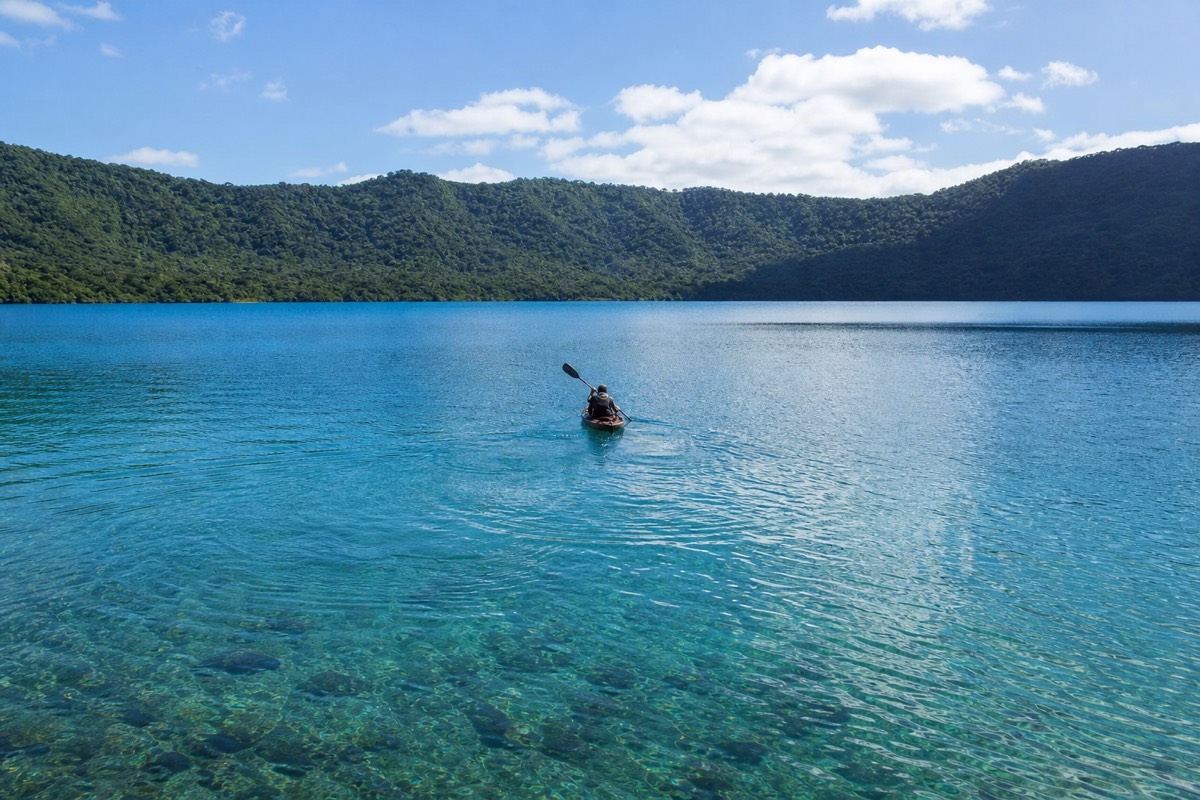
For where to sleep, the old center wins on almost every count: short walks to the sights, the widest choice of hotels and food, and the shortest pickups for tours. If you crave nature over nightlife, a night at a Laguna de Apoyo lodge is a lovely add-on, but keep Granada as your main base. For getting to the crater itself, see how to reach Masaya from Granada, and if safety is on your mind, our take on whether Nicaragua is safe for tourists lays out the current picture.
| Length of stay | What you can fit |
|---|---|
| One day | A quick city walk plus an evening at the volcano; rushed |
| Two days | City day, then volcano paired with Laguna de Apoyo |
| Three days | Add the Las Isletas boat trip and the craft-market villages |
| Base | Good for | Consider |
|---|---|---|
| Granada colonial center | Walkable sights, food, shortest tour pickups | Livelier, so quieter sleepers pick a courtyard room |
| Laguna de Apoyo lodge | Nature, swimming, quiet nights | Further from the city sights and dining |
| Managua | Closest to the airport for late or early flights | Less charm; further from the lake and villages |