How To Visit Masaya Volcano From Granada & Managua (2026)
Getting to the crater is the easy part. Getting there at the right time, with a way home after dark, is what trips people up. Here is how to reach Masaya Volcano from Granada and Managua, by tour, taxi, or bus, and what each one really costs.
Booking Choice: A short private evening visit with a guide and designated-area return transport. Explore Private Masaya Evening From Granada
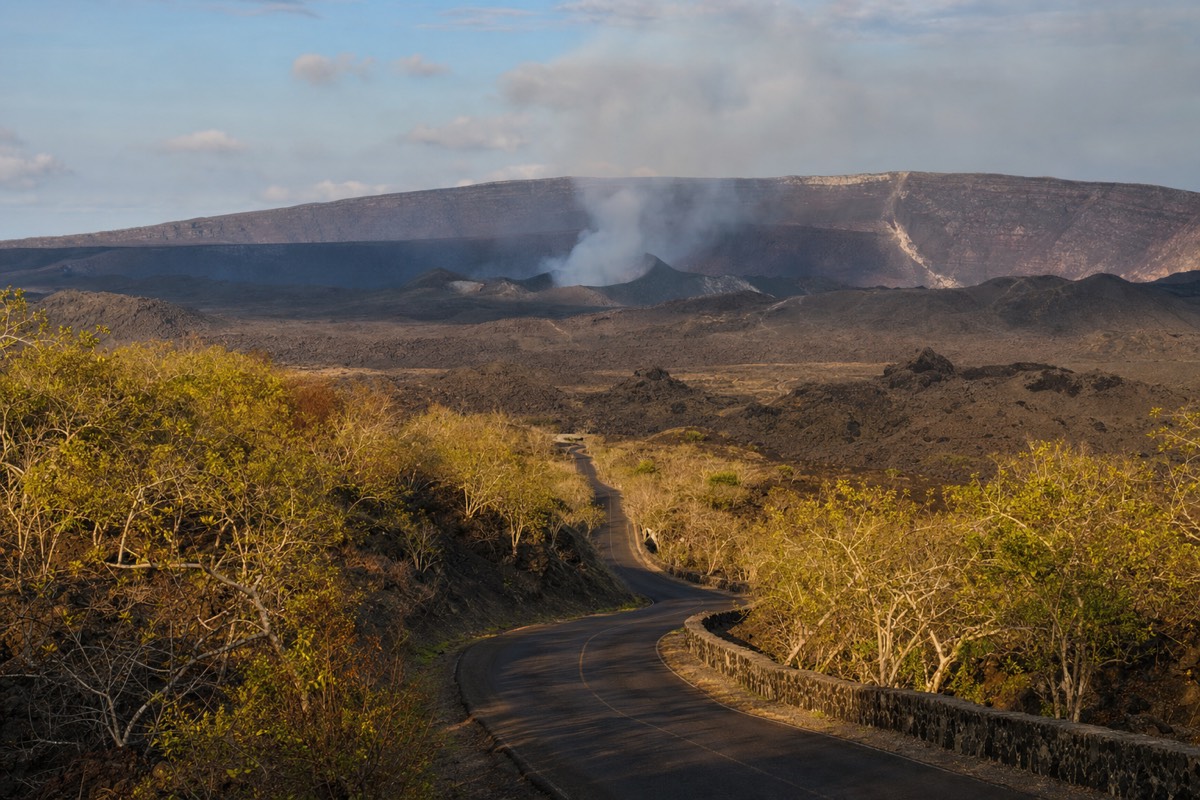
Reaching Masaya Volcano: distance and drive time
At A Glance: Choose your route and pickup first. A bookable tour does not guarantee park access or a lava view.
Drive times are typical estimates and vary with traffic; the gate fee is separate unless a tour includes it.
How Do You Get To Masaya Volcano?
Masaya Volcano sits about 14 km from Granada, roughly a 30 to 40 minute drive, and about 23 km from Managua, roughly 45 minutes. You can reach it by guided tour, taxi or private driver, or public bus. A guided tour can arrange transport and the return after dark. Check the exact option because the gate fee is not always included.
Access, visible lava, walking routes and opening hours can change. A scheduled tour is not confirmation of park access. Verify the current itinerary and closure terms before paying; ordinary masks do not filter volcanic gases.
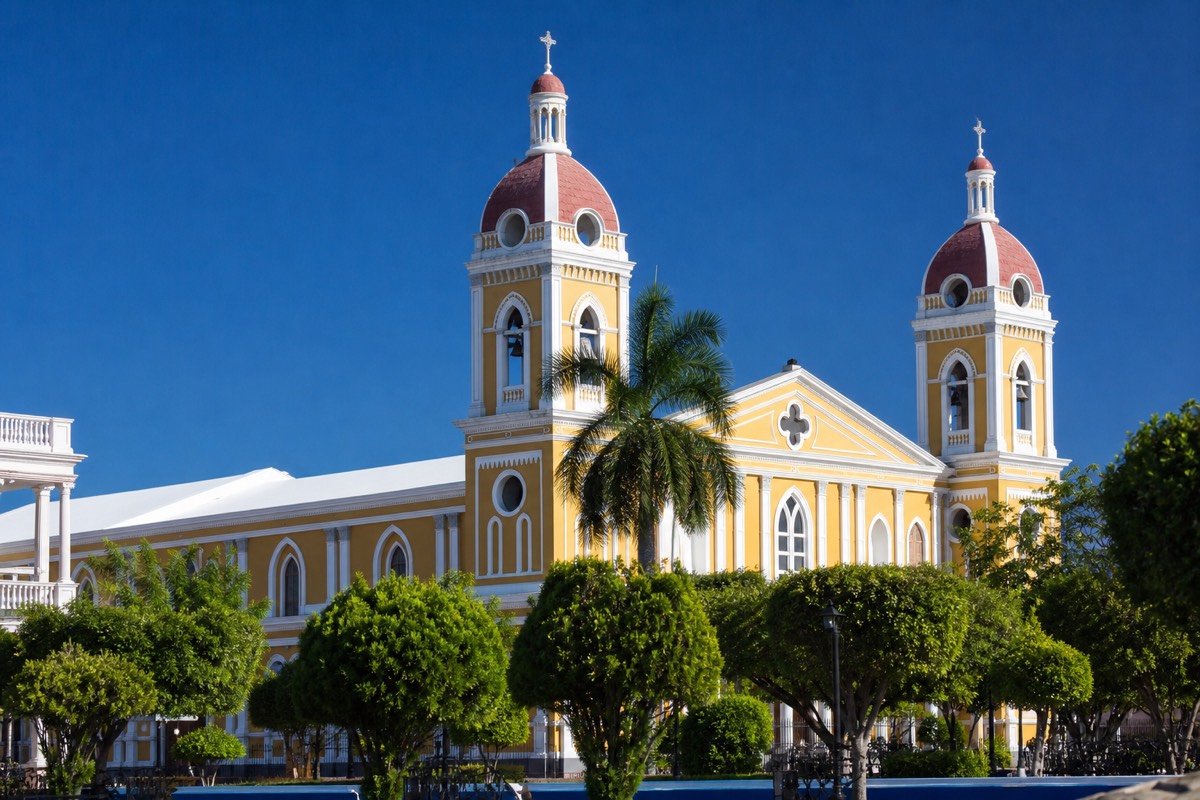
The volcano is genuinely close to both cities, so distance is not the obstacle. Timing is. The lava glow only shows after dark, the evening visiting window is short, and getting back from the rim at night is where independent plans fall apart. That single fact shapes almost every decision below.
There are three realistic ways to do it, and they trade money for convenience. A guided tour costs more than a bus but removes every logistical worry. A taxi or private driver sits in the middle. Public transport is cheapest but hardest to make work for the night slot. The rest of this guide breaks down each one, starting from Granada, the usual base. For a wider view of the park itself, pair this with our Masaya Volcano National Park guide.
Whichever way you travel, include the current park entry charge in your budget unless your exact tour option includes it. The verified Apoyo and Granada combination listings have separate admission or activity charges.
How Do You Get There From Granada?
From Granada the crater is about 14 km away, a 30 to 40 minute drive north toward the park gate. It is the shortest and easiest approach, which is why Granada is the standard base for a Masaya trip. Guided evening tours with hotel pickup are the simplest way to do it, though a taxi round trip also works if the driver waits.
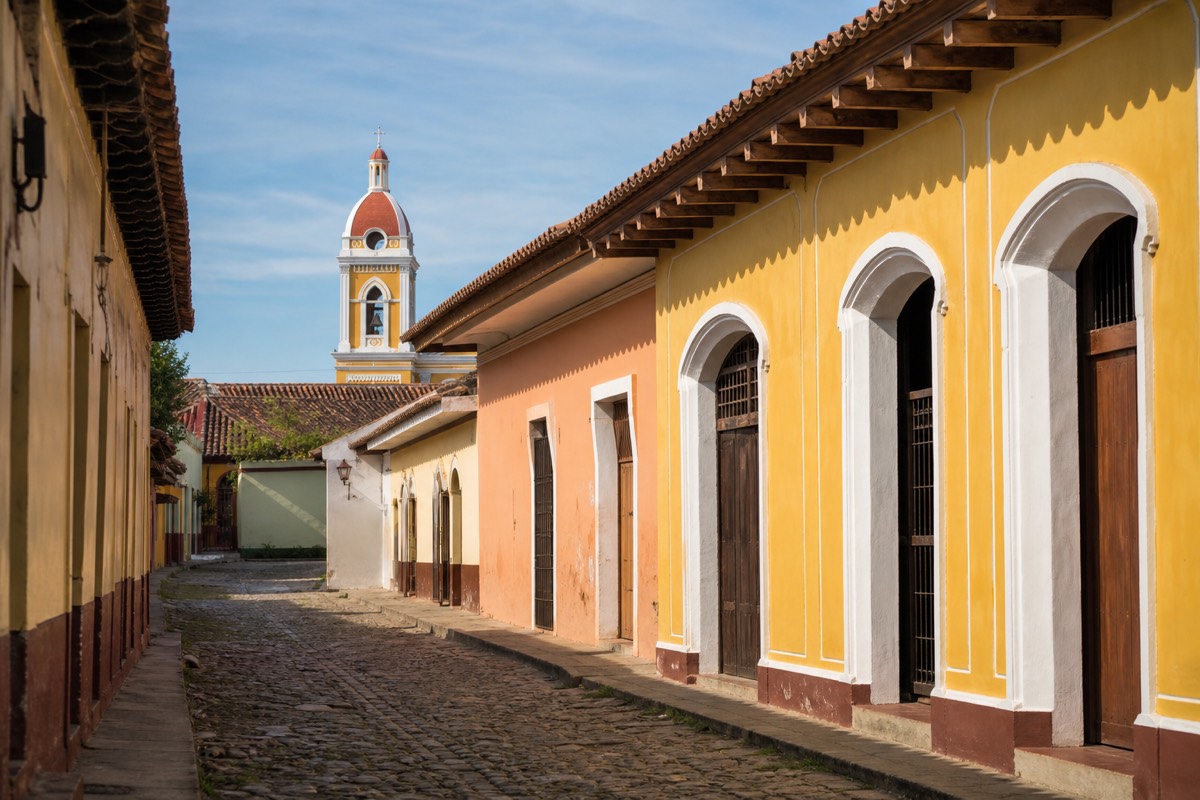
The short distance means you can build the volcano around the rest of a Granada day: explore the colonial streets in the afternoon, then head up for the evening glow. That flexibility is why so many combined itineraries start here. If you want to make a full day of it, the Granada colonial city and lava combination stitches the two together.
If you would rather just handle the crater in an evening, the night tour to the glowing crater runs as a short round trip from Granada with pickup, entry, and a guide included. For more on what else the city offers around your volcano trip, see things to do in Granada, Nicaragua.
| Option from Granada | Approx. time each way | Handles night return? | Best for |
|---|---|---|---|
| Guided evening tour | ~30-40 min | Yes, included | Most visitors |
| Taxi / private driver | ~30-40 min | Only if driver waits | Small groups wanting flexibility |
| Public bus | ~45-60 min | Difficult after dark | Daytime, budget, patient travellers |
How Do You Get There From Managua And The Airport?
From Managua the park is about 23 km away, roughly a 45 minute drive, and from Augusto C. Sandino International Airport it is about 30 to 45 minutes. Many tours offer Managua pickup, and a pre-arranged transfer works well straight from the airport. Independent taxis are available but agree the fare and the return in advance.
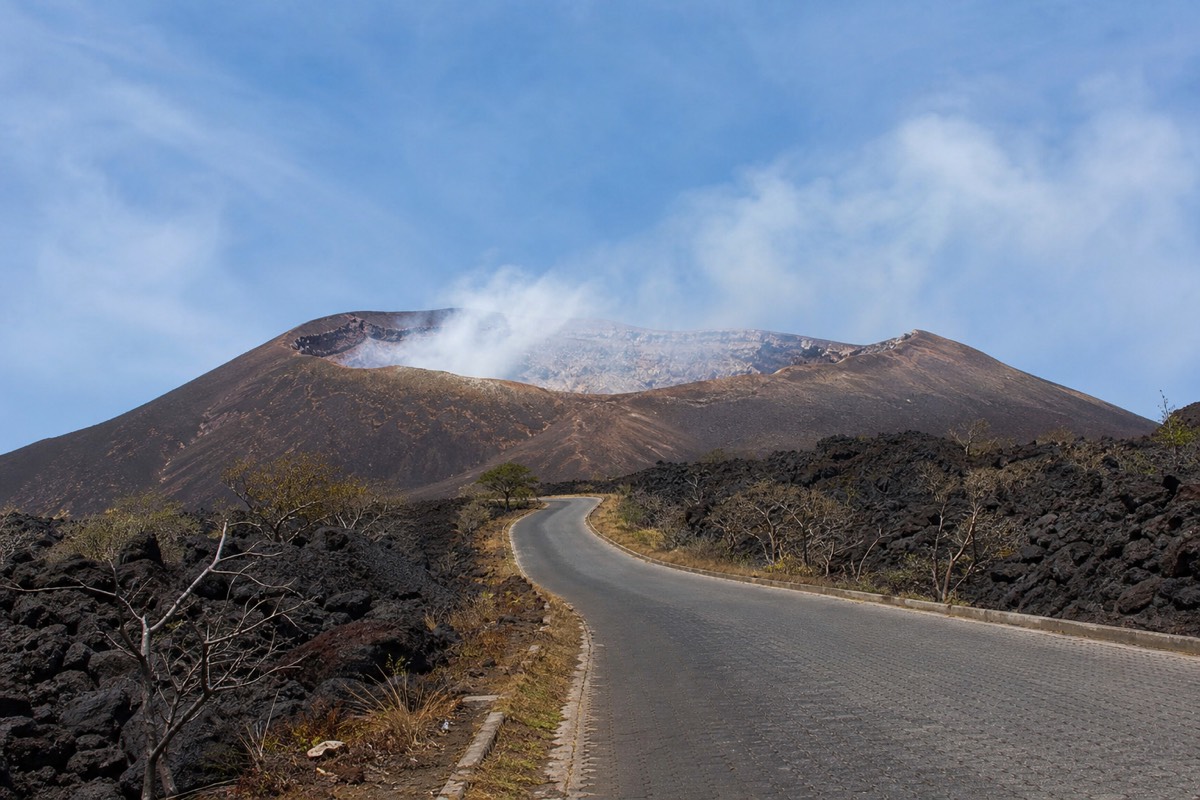
Managua is a workable base, especially if you are flying in or out and want the volcano without repositioning to Granada first. The drive is easy, and a fair number of evening tours will collect you from a Managua hotel. Coming directly from the airport, a booked transfer or a tour with airport-area pickup saves the hassle of arranging a car on arrival.
Britannica places Masaya Volcano National Park squarely between the two cities in the Nicaraguan Depression, which is exactly why it is such an easy add-on to a Managua or Granada stay. Whichever city you start from, the after-dark return is the detail to lock down before you set off.
| Option from Managua | Approx. time each way | Notes |
|---|---|---|
| Guided tour with Managua pickup | ~45 min | Simplest, night return handled |
| Airport transfer (MGA) | ~30-45 min | Book ahead, good for arrival day |
| Taxi | ~45 min | Agree fare and return before leaving |
Guided Tour Or Going Without A Tour?
A guided tour can simplify the return after dark. Entry fees and closure arrangements depend on the booked option. Going without a tour saves money and suits confident, flexible travellers doing a daytime visit, but the evening lava trip is much harder to pull off alone.
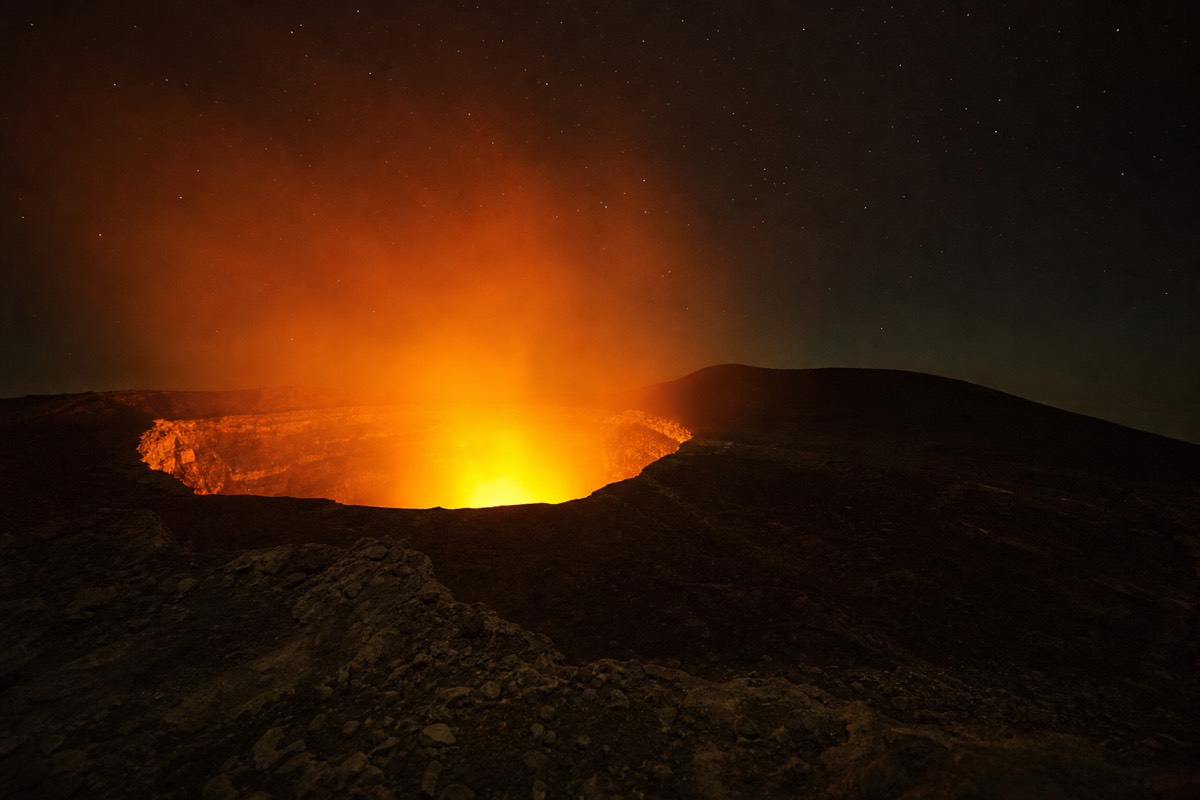
The case for a tour is practical, not just comfort. The lava glow needs darkness, so you visit in the evening, and that is precisely when buses stop being useful and taxis want a premium to wait. A tour also carries the risk for you: if activity spikes and the rim closes, a good operator reschedules, whereas a self-drive trip just loses the day.
The case for going alone is money and independence, and it holds up best for a daytime visit when you also want the museum and trails. If that is you, plan the transport both ways before you leave, and read up on whether the park is open right now and safety at the crater so a closed gate does not surprise you. Either way, a private option like a private night lava tour gives you tour convenience with independent-style pacing.
| Factor | Guided tour | Without a tour |
|---|---|---|
| Night return | Handled | Your problem to solve |
| Gate fee | Usually included | Paid separately at the gate |
| If the crater closes | Operator reschedules or adapts | Day likely lost |
| Cost | Higher, all-in | Lower, but add transport |
| Best for | Night visit, first-timers | Daytime, confident planners |
Can You Go By Taxi Or Private Driver?
Yes, a taxi or private driver is a solid middle option, especially for a small group. Agree the full round-trip fare before you set off, including the driver waiting during your visit, since the rim stop is short and you will need the ride home. This is the most flexible non-tour choice for the evening lava window.
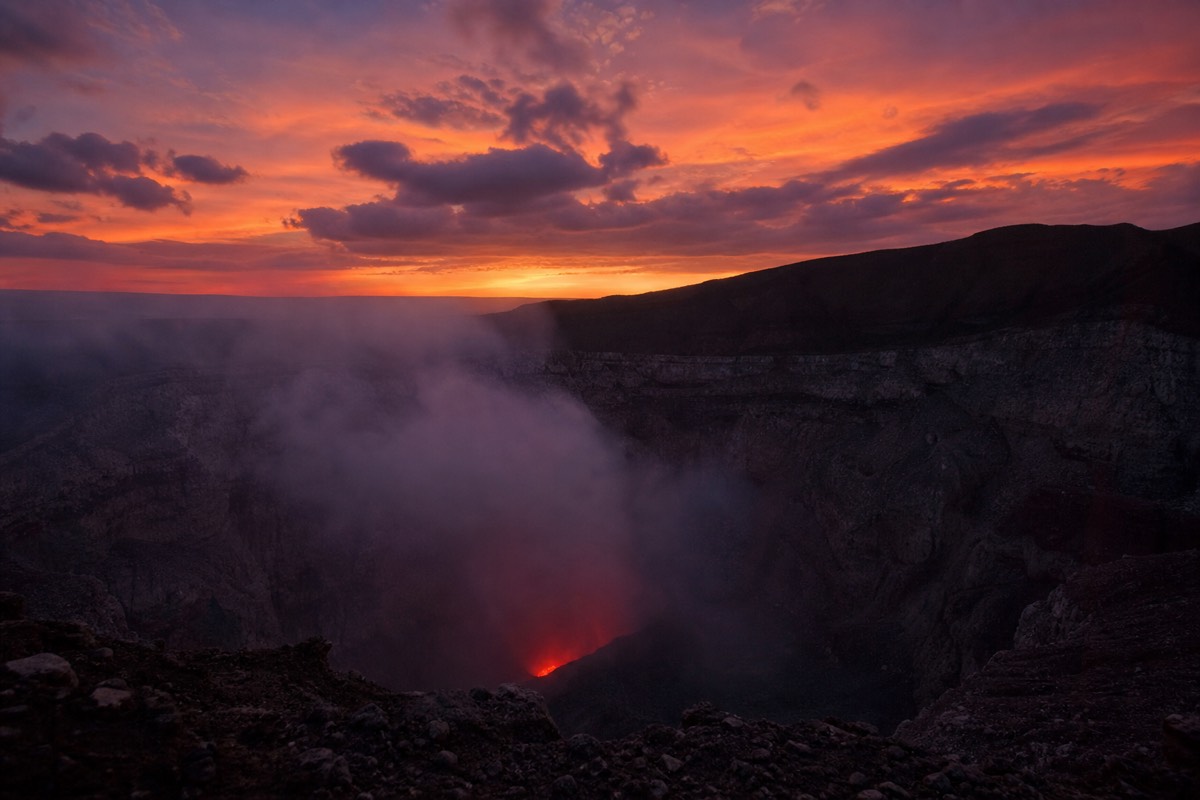
The key is the wait. Because the crater stop is only about 5 to 15 minutes at the rim, a driver who drops you and leaves is no use after dark. Negotiate a price that covers the drive out, the wait, and the drive back, and confirm it clearly to avoid a dispute at the end of the night.
For two to four people splitting the fare, this can rival a shared tour on price while giving you your own schedule. What it does not include is the gate fee or a guide's explanation of what you are looking at, so weigh convenience against context when you decide.
Can You Take Public Transport?
You can reach the area by public bus from Granada or Managua for very little money, but it is awkward for the volcano itself. Buses drop you near the highway, not at the crater rim, and they do not serve the evening lava window well. Public transport suits budget travellers doing a daytime visit who do not mind extra walking and waiting.
The buses, often the retired-school-bus routes locals use, are cheap and frequent between the cities, but the park gate sits well off the main road and the rim is further still inside. In daylight, with time and patience, it is doable. After dark, it is not a plan you want to rely on.
If your priority is the glowing lava rather than saving every dollar, the maths usually tips toward a tour or a shared taxi once you factor in the wasted time and the return-trip problem. Save the bus for a daytime look at the museum and trails, and take a guided trip for the night glow.
Day Visit Or Night Visit: Which Logistics Fit You?
Choose the night visit if you want to see the lava, and plan your transport around getting home in the dark. Choose the day visit if you want the trails, the museum, and the caldera in full light, when buses and taxis are easier. The two experiences and their logistics are different enough that they change which transport makes sense.
The night visit is the headline, and it drives most of the transport advice on this page: short window, dark return, book a tour or a waiting driver. The reward is the glowing Santiago Crater, which reads as a grey pit by day and a lake of fire after sunset.
The day visit is the relaxed, flexible one. Transport is simpler, the park is quieter, and you can actually explore beyond the rim. If you are torn on timing across the year as well, our guide to the best time to visit covers season and clear-sky odds so the night glow pays off when you go.
| Consideration | Day visit | Night visit |
|---|---|---|
| Main reason to go | Trails, museum, caldera views | The glowing lava lake |
| Transport ease | Easier, more options | Plan the dark return carefully |
| Best transport | Bus, taxi or tour | Guided tour or waiting driver |
What Does It Cost To Visit Masaya Volcano?
Budget for transport in both directions and the current park entry charge. A waiting taxi fare depends on your agreement, while tour quotes depend on pickup, party size and inclusions. Use the calculator below with complete totals.
The cheapest path on paper is bus plus gate fee, but it trades money for hours and rules out a smooth night visit. The most convenient is a guided tour, where one price covers pickup, entry, the guide, and the return. A taxi sits between the two on both cost and convenience.
Treat the prices below as starting figures and check the live listing for today's rate, since demand and group size move them. If you are still deciding whether the trip earns its place in your itinerary, our take on whether it is worth visiting weighs it up honestly.
| Way to visit | Typical cost | Includes |
|---|---|---|
| Private evening tour | From the current provider quote | Transport, gate fee, guide |
| Private evening tour | From the current provider quote | Transport, gate fee, guide, small group |
| Full-day combination | From the current provider quote | Transport, gate fee, guide, extra stops |
| Taxi round trip (with wait) | Negotiated | Transport only, gate fee extra |
| Public bus | A couple of dollars | Transport near the area only |
How Do You Book, And What Should You Expect?
Book an evening tour ahead in the dry season, when the clearest nights fill first, and confirm your pickup point and time when you reserve. Expect a short drive, the gate, a briefing, and a rim stop of about 5 to 15 minutes for the lava, before the return. If gas or activity closes the crater, changes or rebooking depend on your purchased option’s terms.
Booking ahead matters most from December to March, the peak of the dry season, when demand for the clearest evenings is highest. Off-peak you have more room to be spontaneous. Either way, lock in the pickup details, since a missed connection can cost you the whole night window.
On the trip itself, set your expectations honestly: the star is a short, intense look at live lava, not a long vigil, and the volcano is a changeable thing that gas and weather can veil. Going with a flexible operator, on a clear dry-season night, is how you tilt the odds toward the full molten view. If a bigger day appeals, consider a Cerro Negro volcano boarding day trip on a separate day to round out a Nicaragua volcano adventure.