Laguna De Apoyo Day Trip From Granada: Kayaking & Swimming
A warm, clear crater lake a short drive from Granada, made for a slow morning of swimming and kayaking, then a viewpoint lunch and an evening at the volcano.
Booking Choice: Combine the volcanic landscape with swimming and kayaking at Laguna de Apoyo. Explore Masaya And Apoyo Kayaking
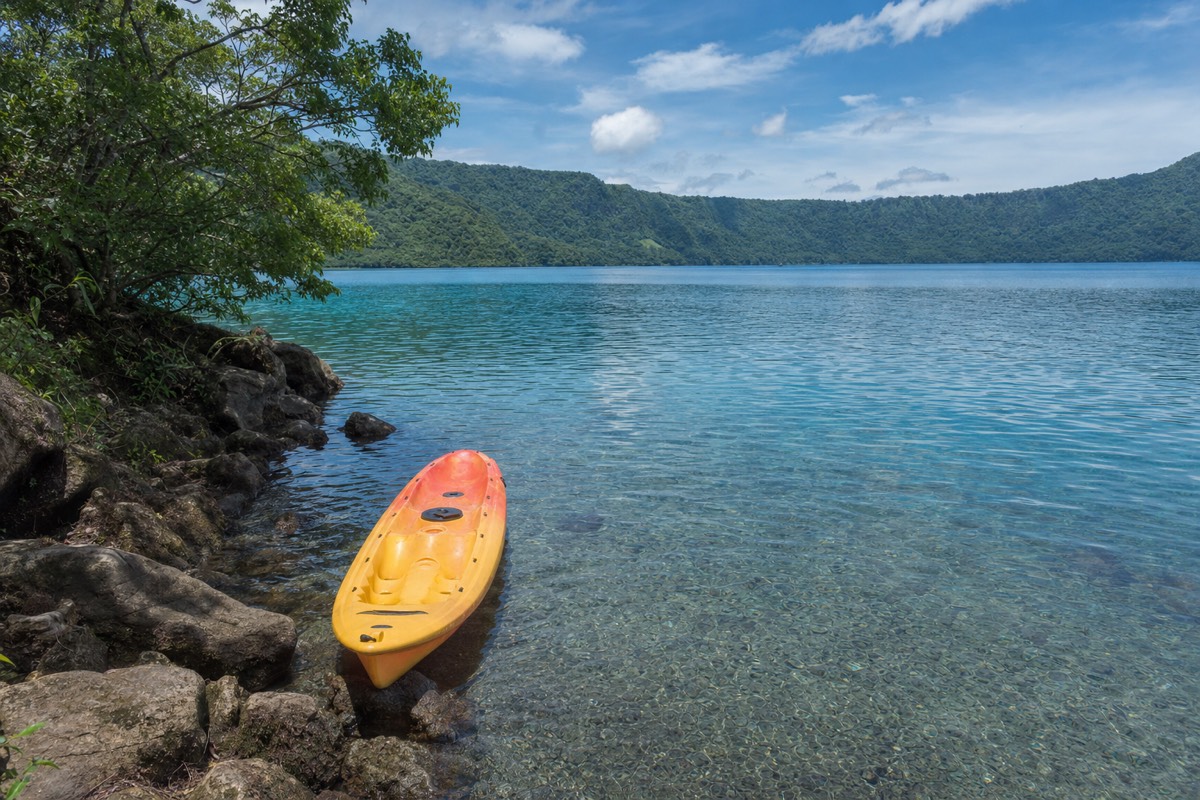
The water at Laguna de Apoyo is the kind you walk into without flinching: warm, clear, and calm enough that the far rim of the crater doubles in the surface. It fills an old volcanic caldera near Granada, ringed by forest, and it is the swimming-and-paddling counterpoint to a hot morning on the lava fields. Where Masaya is sharp black rock and sulfur, Apoyo is soft water and shade.
At A Glance: Water activities and viewpoint visits are different experiences; compare transport, entry and total time.
Access, visible lava, walking routes and opening hours can change. A scheduled tour is not confirmation of park access. Verify the current itinerary and closure terms before paying; ordinary masks do not filter volcanic gases.
This guide covers what the lagoon is, how to reach it from Granada, whether the water is safe, what kayaking and swimming are actually like, the Mirador de Catarina view above it, and how to fold a swim into a day that ends at the volcano. For the crater half of that day, read the Masaya Volcano National Park visitor guide alongside this.
A crater-lake day, and how it slots against the volcano
Lake features and the evening volcano window come from the site's verified research; the day blocks are a suggested plan, not fixed times.
What Is Laguna De Apoyo?
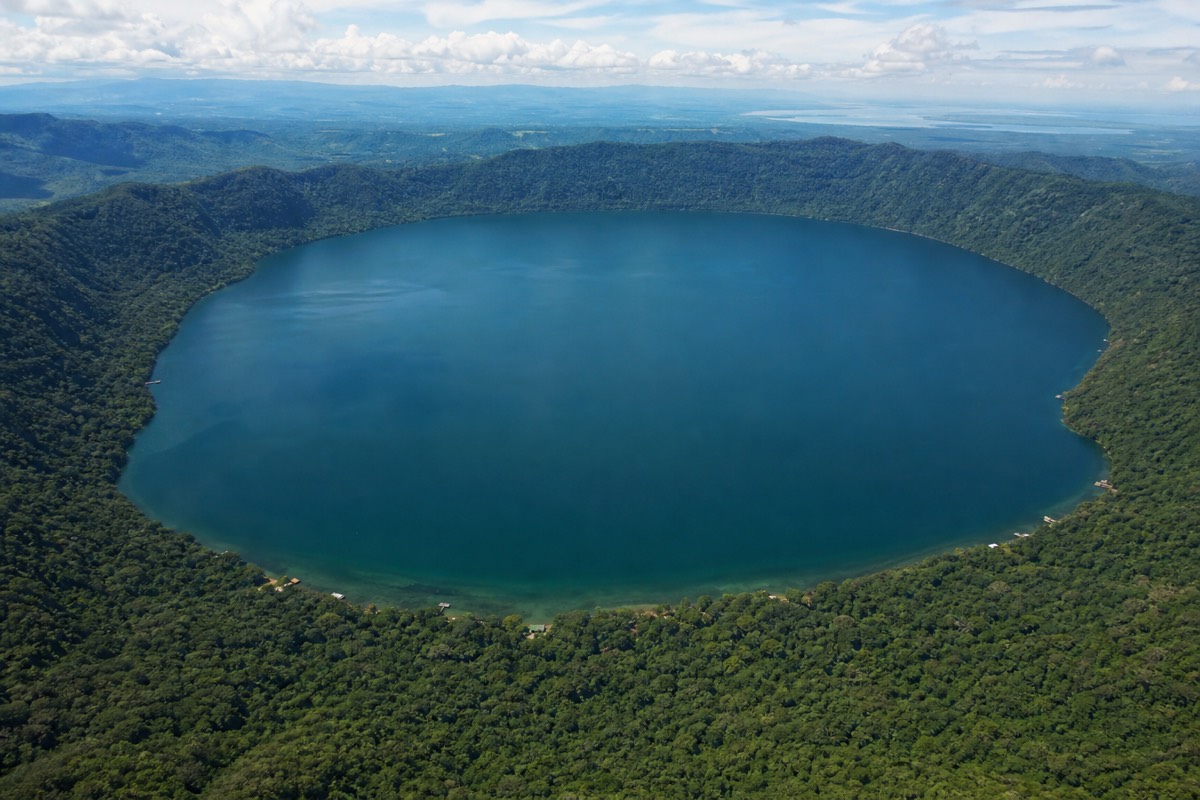
Laguna de Apoyo is a volcanic crater lake near Granada, a broad caldera that filled with clear, warm water over thousands of years. Forested slopes ring the shore, the water is calm and inviting, and the lagoon is the region's favorite spot for swimming and kayaking. The Mirador de Catarina viewpoint looks down over the whole basin.
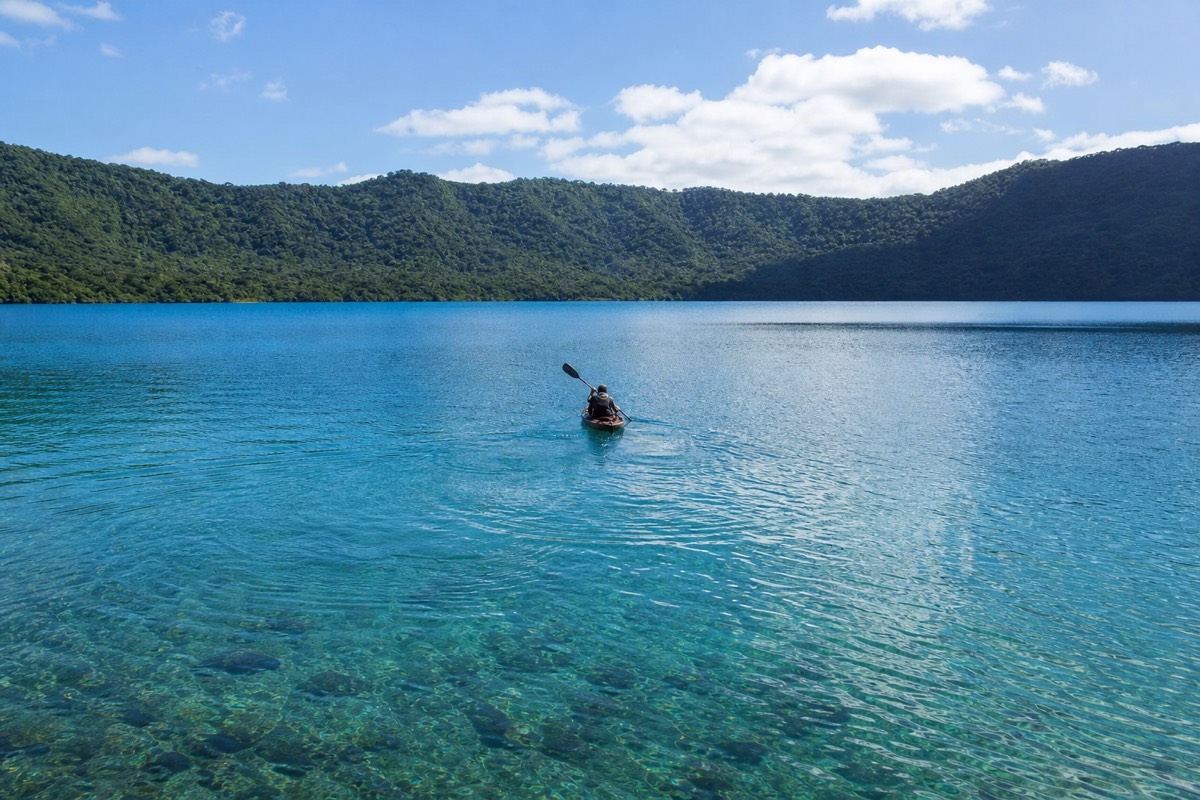
The lake sits inside a collapsed volcanic crater, part of the same restless geology that built Masaya and the rest of the country's volcanoes. That volcanic origin is why the water feels warm and why the walls rise so steeply around it. Over time rain and springs filled the caldera, and the result is a natural swimming pool measured in kilometres rather than metres.
For visitors, the appeal is simple. It is close to Granada, the water is comfortable year-round, and the shore has small day-use spots and lodges where you can rent a kayak, grab lunch, or just float. It pairs beautifully with the volcano because the two are opposites: a cool, green, watery morning, then the heat and glow of the crater after dark on the Apoyo Lagoon kayaking day from Granada.
Where Is Laguna De Apoyo And How Far Is It From Granada?
The lagoon sits just southwest of Granada, tucked between the city and the Pueblos Blancos, the white villages. It is a short drive from town, close enough to reach in a morning, and it is on the same side of the region as Masaya and the Mirador de Catarina. Most day trips treat Granada as the base and the lagoon as an easy hop.
Granada is Nicaragua's most-visited colonial city and the usual launch point for the whole area, roughly 30 to 40 minutes from the Masaya crater. The Laguna de Apoyo lies between the two, which is why operators can chain a lagoon morning, a viewpoint stop and an evening at the volcano into one loop without long transfers. If you are basing your trip, our things to do in Granada guide covers the city end.
Getting the geography straight helps you plan. The caldera lake is down a road that drops from the crater rim toward the shore, so arriving means descending into the basin and leaving means climbing back out. From the international airport at Managua, the whole region is roughly a half-hour to 45-minute drive, so many travellers fly in, base in Granada, and use it as a hub for the lake, the volcano and the markets.
| From | Getting to the lagoon | Notes |
|---|---|---|
| Granada | Short drive southwest of the city | The usual base; paired with Masaya on a full day |
| Masaya crater | Down toward the lake from the crater side | Both sit on the same side of the region |
| Mirador de Catarina | The viewpoint on the rim above the lake | Look down onto the whole caldera |
| Managua airport | Roughly a half-hour to 45 minutes to the region | Fly in, base in Granada, hub out from there |
How Do You Get To Laguna De Apoyo From Granada?
You have three realistic options: a guided tour that includes transport, a taxi or private driver arranged in Granada, or a shuttle run by one of the lakeside lodges. The easiest for a day trip is the guided route, which handles the transfer, the kayak, and the timing so you can pair the lagoon with the volcano the same day.
A guided day is the low-friction choice. Transport is sorted, someone knows the shore spots, and the schedule already accounts for the drive down into the caldera and back. It also solves the awkward part of a self-planned trip, which is getting back up out of the basin in the afternoon. Do not assume Apoyo is included on the Granada colonial city and lava combination for travellers who want city, lake and crater in one sweep.
Independent travellers can taxi in or use a lodge shuttle, spend the day at a day-use spot on the shore, then arrange a pickup. That works well if you want a slow, unhurried day by the water rather than a packed itinerary. Whichever way you go, the drive is short by Nicaraguan standards, and the reward at the bottom is the same warm, clear water. The exact booking option determines pickup, entry fees and the itinerary.
Is The Water Safe And Good For Swimming?
Yes, Laguna de Apoyo is one of the best swimming spots in the region. The water is warm, clear and usually calm, with none of the surf or currents of the coast. It is a natural crater lake rather than a treated pool, so use normal open-water sense, but the conditions are gentle and it suits swimmers of most abilities.
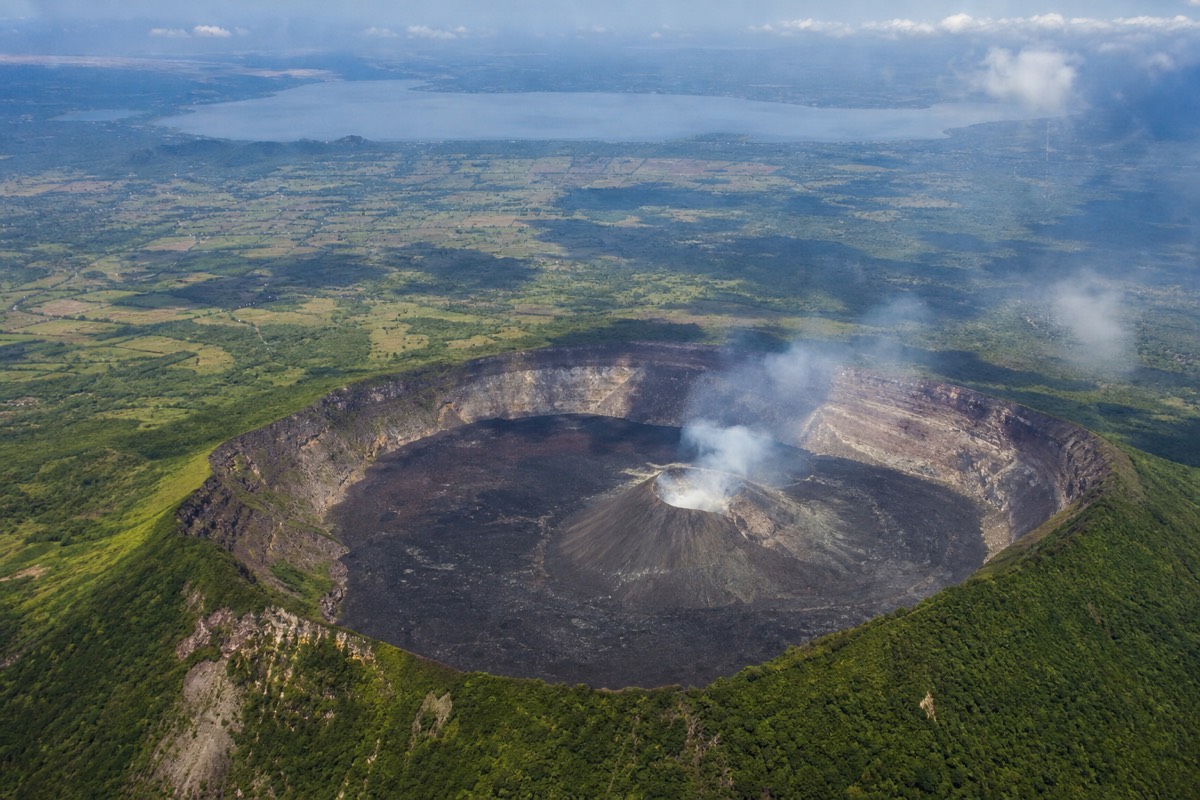
What makes it so swimmable is the shelter. Steep forested walls block much of the wind, so the surface tends to stay flat, and the volcanic setting keeps the water comfortably warm rather than bracing. Use designated shore access and appropriate flotation. Do not assume calm-looking water is shallow or free of hazards.
Treat it like any wild body of water. Keep an eye on children, do not swim out further than you can comfortably return, and respect that depth increases quickly in a caldera. There are no lifeguards at most spots, so pace yourself and stick near the shore areas the lodges use. Sunscreen and a rash top help on a long, bright day on the water.
What Is Kayaking On Laguna De Apoyo Like?
Kayaking here is calm and scenic rather than a workout. The sheltered caldera keeps the water flat, so you paddle along a forested shoreline with the crater walls rising around you and the odd bird overhead. Kayaks rent at the shore, and the flat conditions make it friendly for beginners, couples and families alike.
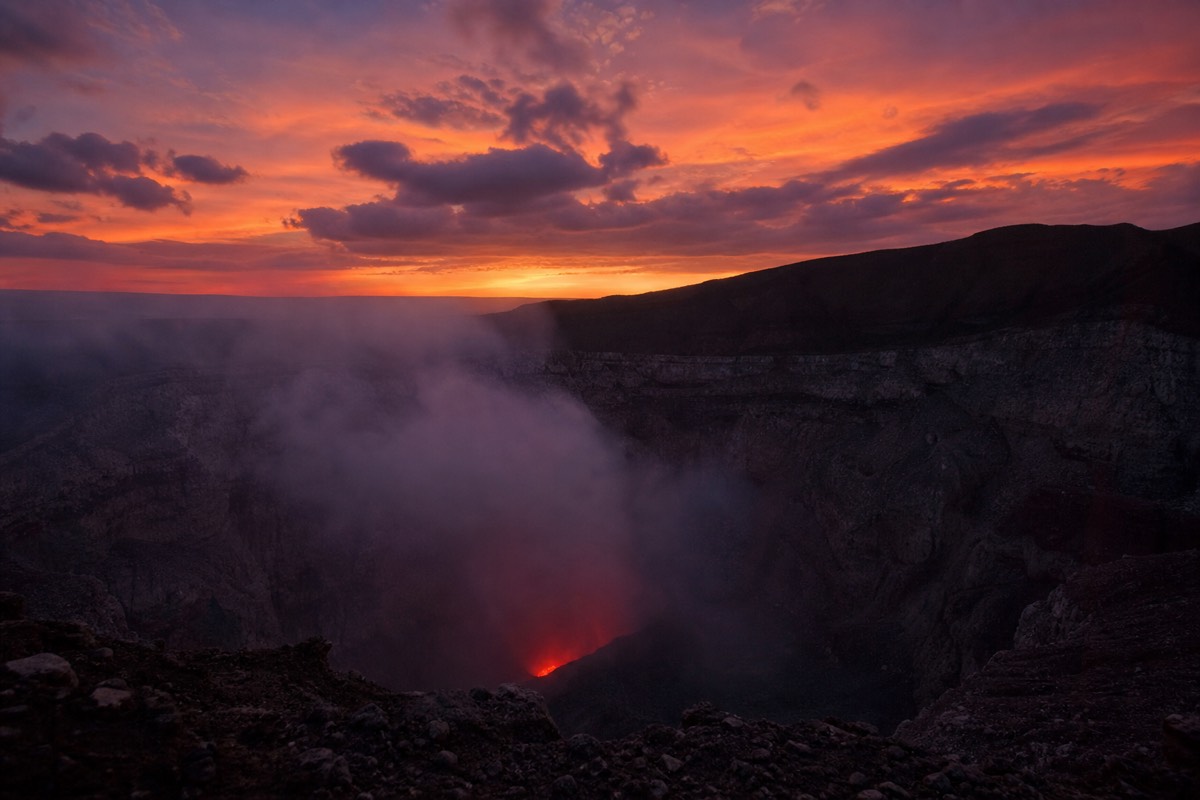
Because the wind is broken by the crater rim, the lagoon rarely kicks up chop, which is exactly what you want in a rental kayak. You can hug the shore, poke into quiet corners, or paddle out a little to feel the scale of the basin. Mornings are often the stillest, with mirror-like water before the day warms up, so an early start rewards you with the calmest paddle and the best light.
The Apoyo Lagoon kayaking day pairs a paddle and a swim with a Masaya visit, so a typical rhythm is water first, volcano later. Alternate paddling with floating and a lakeside lunch and you have an easy, restorative half-day. If you would rather compare it against the pure-crater options, our take on whether Masaya is worth visiting sets the two experiences side by side.
| Activity | What it is like | Good for |
|---|---|---|
| Swimming | Warm, clear, sheltered water from the shore | Everyone; easy wade-in entry |
| Kayaking | Flat, calm paddling along a forested shore | Beginners, couples, families |
| Floating and lounging | Slow time at a lakeside day-use spot | A restorative half-day |
| Catarina viewpoint | Look down over the whole caldera | Photos and the big-picture view |
What Is The Mirador De Catarina?
The Mirador de Catarina is a viewpoint on the crater rim in the town of Catarina, one of the Pueblos Blancos, looking straight down over Laguna de Apoyo. From the terrace you see the whole caldera at once, the blue lake below and, on clear days, Granada and Lake Nicaragua beyond. It is the classic photo stop of the region.
Where the lakeside is about being in the water, Catarina is about seeing the shape of the place. The town sits on the rim, so the mirador gives you the caldera in a single frame, ringed by forest and dropping away to the water. Around the viewpoint you will find plant nurseries, craft stalls and small eateries, a low-key introduction to the white villages.
Most combined itineraries stop at the mirador on the way between the lake and the volcano, since it sits neatly along that route. It is a short visit, a viewpoint and a wander rather than an activity, but it earns its place. Pair the terrace view with a swim below and you understand the lagoon from two angles in one day, which many travellers rate as the highlight of the region.
How Do You Combine Laguna De Apoyo With Masaya Volcano In A Day?
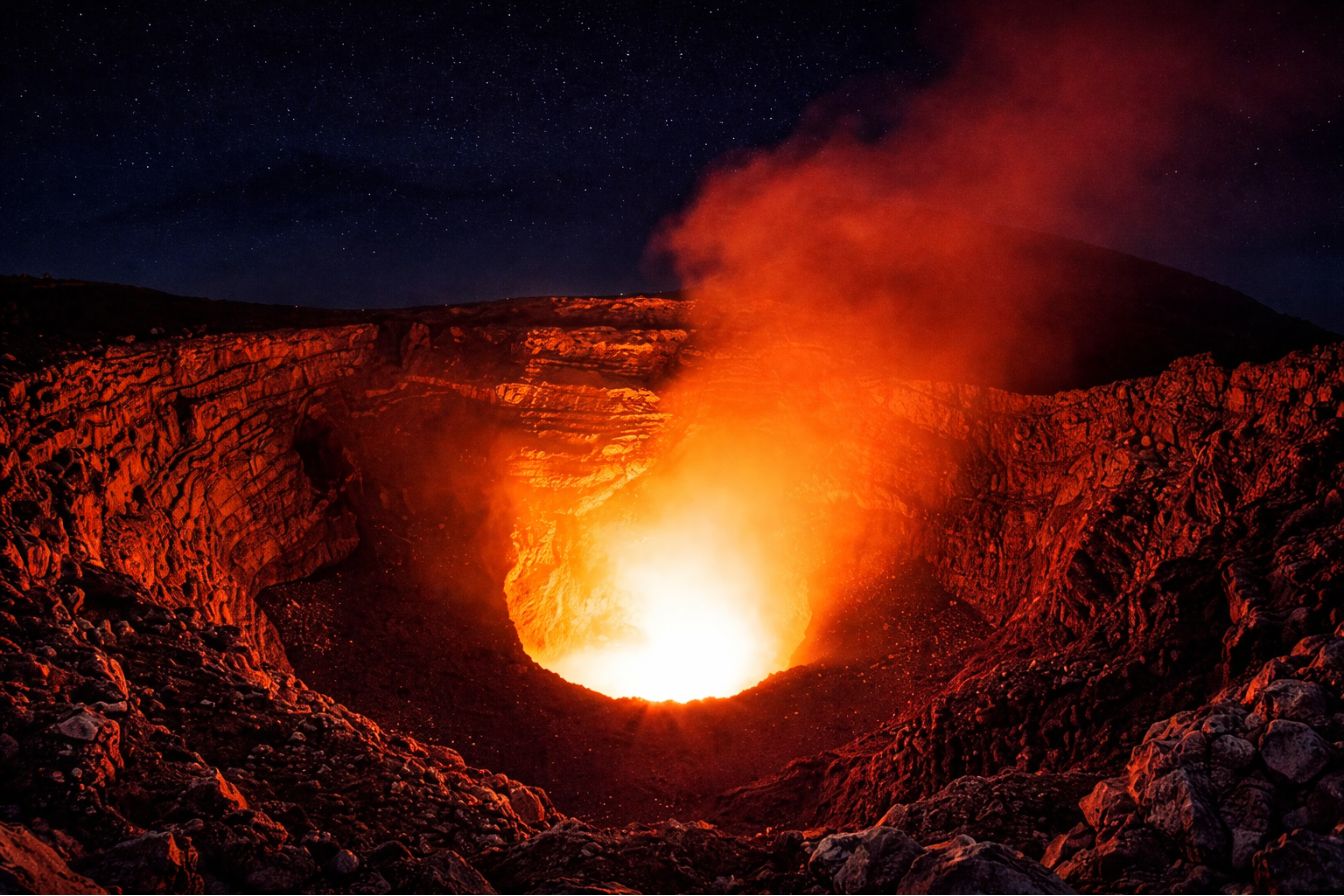
Do the lagoon first, the volcano last. Swim and paddle in the cooler morning, stop at the Mirador de Catarina around midday, then head to Masaya for the evening slot, roughly 5:00 pm to 8:00 pm, when the lava glow inside Santiago Crater is strongest. The order follows the light: water by day, glow after dark.
The two sit close together on the same side of the region, so the loop is short on driving and long on variety. A morning in the water leaves you cooled off and unhurried, the midday viewpoint gives your day a scenic pause, and arriving at the crater toward dusk means you catch the red glow rather than a grey daytime pit. It is the most satisfying way to see both.
If you prefer the crater without the swim, the night tour to the glowing crater focuses purely on the after-dark visit, while the full-day options add markets and villages instead of the lake. Whichever you choose, plan the volcano for last and use the best time to see the lava glow to pick a clear-sky window. Prices below are indicative starting points from the operators' listings; check the live listing for today's price.
| Block | Activity | Why it goes here |
|---|---|---|
| Morning | Swim and kayak at the lagoon | Coolest, calmest water and best light |
| Midday | Lunch and the Mirador de Catarina | On the route between lake and volcano |
| Late afternoon | Transfer up to the crater | Short drive on the same side of the region |
| Evening (about 5 to 8 pm) | Masaya lava-glow visit | The glow is strongest after dark |
What Should You Bring For A Day At Laguna De Apoyo?
Pack a swimsuit, a towel, reef-safe sunscreen, water and a little cash for kayak rental and lunch. Add water shoes for the pebbly entry and a dry bag if you are paddling. If you are pairing the lake with the volcano, throw in closed shoes and a light layer for the cooler crater evening.
Sun is the main hazard on a long day on open water, so lean into shade, a hat and sunscreen. Cash matters because shore spots, kayak hire and lodge lunches are not always card-friendly, and small denominations save hassle. A dry bag keeps a phone and cash safe while you swim or paddle, and a light cover-up is welcome when you climb back out of the humid basin.
Because most travellers combine the lake with the crater, pack for both climates in one bag. The lagoon wants swim gear and sun protection; the volcano at night wants closed shoes with grip, a light jacket and a torch. It is a small kit that spans a warm swim and a breezy evening at the rim, and it means you are not scrambling between the two halves of the day.
| Item | Why it matters |
|---|---|
| Swimsuit, towel, quick-dry top | You will be in and out of the water |
| Reef-safe sunscreen and a hat | Long, bright hours on open water |
| Small cash | Kayak hire, lunch and shore spots often want cash |
| Dry bag and water shoes | Protects valuables; easier shore entry |
| Closed shoes and a light layer | For the cooler volcano evening if you pair the two |
Costs, Tours And When To Go
Independent lake visitors need to budget for transport, shore access, kayak hire and food. A combined Masaya-and-Apoyo tour adds a guide and transport, but may exclude both entrance fees. Choose the season for the activities you want and confirm the day’s water and park conditions.
The lagoon is one of the more affordable highlights around Granada if you go it alone: a kayak and a lakeside lunch, and the water itself is free. A guided combination trip costs more but folds in the transfer, the volcano and the timing, which is the point of pairing them. For the crater half, budget the small park entry fee of roughly four to five US dollars at the gate on top of any tour.
Timing follows the sky. Dry-season days bring the clearest water and the most reliable lava glow at the volcano, while the wetter months from May to October can cloud both. The lake is sheltered enough to enjoy year-round, so if you are chasing the crater glow, plan the whole day around a dry, clear evening and let the lagoon be the easy, dependable morning. To compare the region's outings, see whether Masaya is worth visiting.
| Season | Months | What to expect |
|---|---|---|
| Dry season | November to April | Clearest skies; the most reliable lava glow at the volcano |
| Peak clear | December to March | Best visibility; evenings fill from advance bookings |
| Wet season | May to October | Wetter and cloudier; the sheltered lake still swims well |