Why Is Masaya Volcano Famous?
Few volcanoes let you drive to the edge and stare into moving lava. That, plus a grim colonial nickname, is why Masaya became one of the most talked-about volcanoes in the Americas.
Booking Choice: A short private evening visit with a guide and designated-area return transport. Explore Private Masaya Evening From Granada
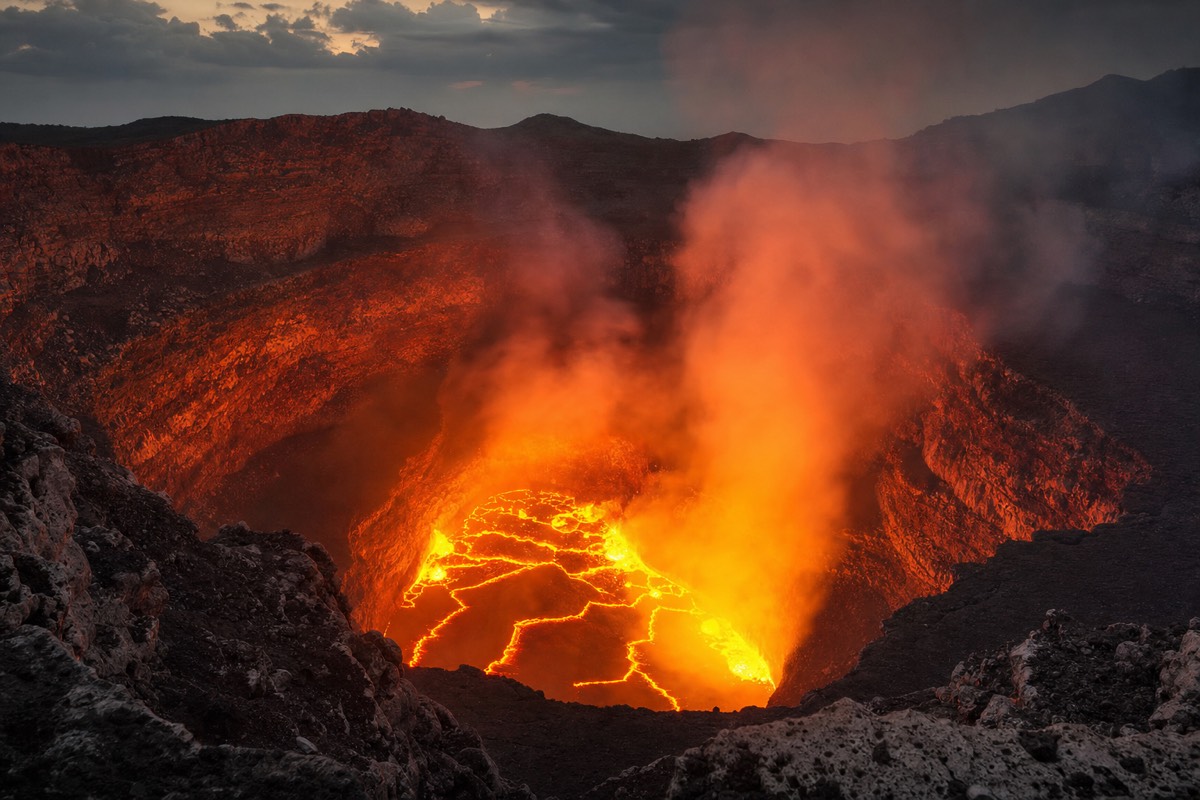
Masaya Volcano is famous for its lava lake, one of only a handful on Earth that you can drive up to and see glowing after dark. Add a chilling colonial nickname, the "Mouth of Hell," a Spanish cross planted to exorcise it, and its rank among Nicaragua's most active volcanoes, and its reputation makes sense.
At A Glance: Choose your route and pickup first. A bookable tour does not guarantee park access or a lava view.
Access, visible lava, walking routes and opening hours can change. A scheduled tour is not confirmation of park access. Verify the current itinerary and closure terms before paying; ordinary masks do not filter volcanic gases.
The Lava Lake That Rarely Goes Dark
The headline reason is the lava lake. Santiago Crater holds molten lava you can actually see, and only a few volcanoes worldwide offer that. Because it glows brightest after dark, an evening visit turns a smoking pit into a churning red spectacle, which is the image that spread Masaya's name.
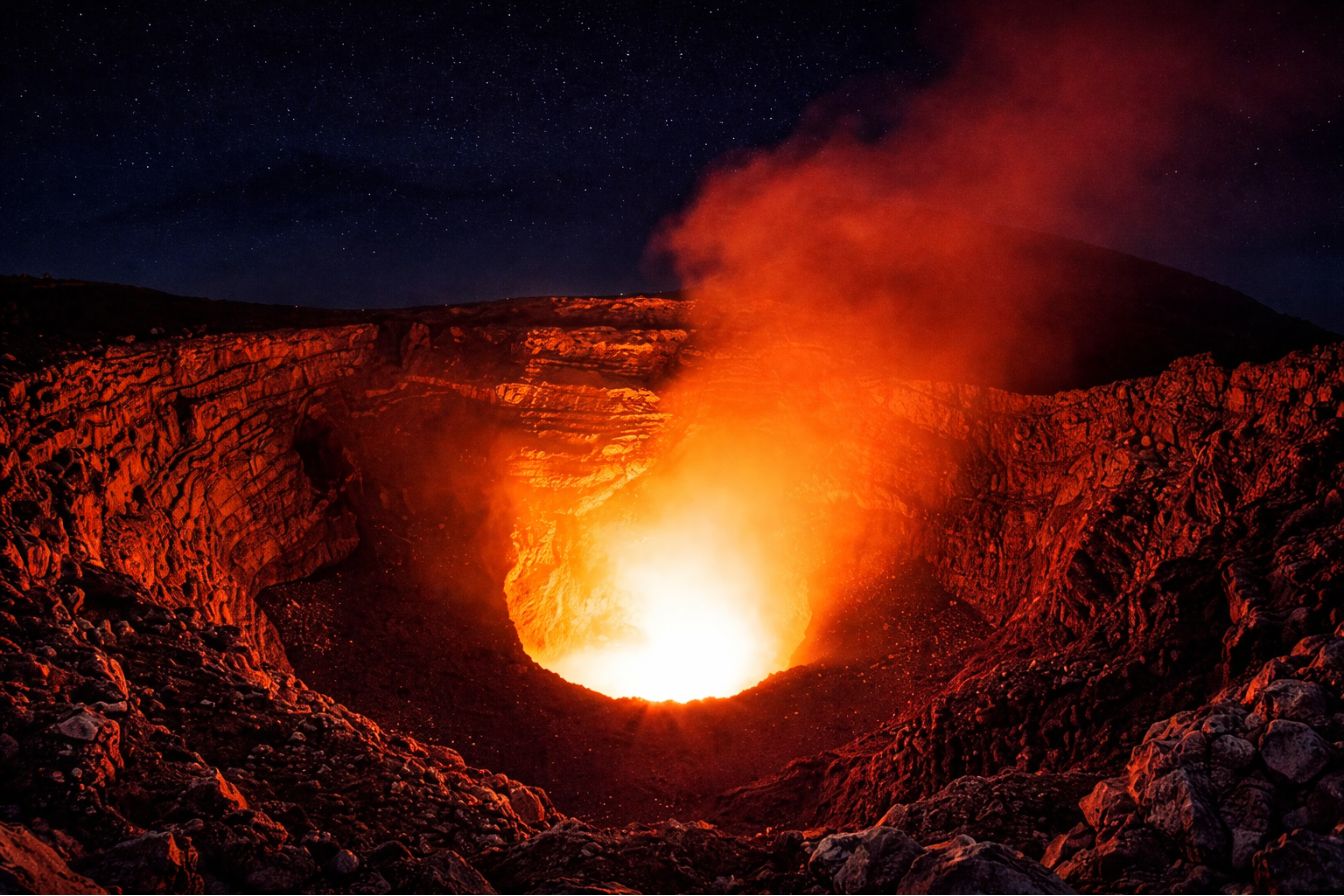
Lava lakes are rare because they need a very particular, long-lived plumbing of heat and magma. Masaya's has stayed active over long stretches, documented for decades by the Smithsonian Global Volcanism Program. Standing where you can look down at moving lava, rather than at a cooled crater floor, is what separates Masaya from most volcanoes tourists visit. To see it at its best, travellers book a night tour to see the lava glow.
The "Mouth Of Hell" And The Spanish Cross
History gave Masaya its darkest branding. In the 16th century the Spanish called the smoking crater La Boca del Infierno, the "Mouth of Hell," and planted a cross on the rim, the Bobadilla Cross, to exorcise what they believed was a gateway to the underworld. That story still frames how the volcano is described.
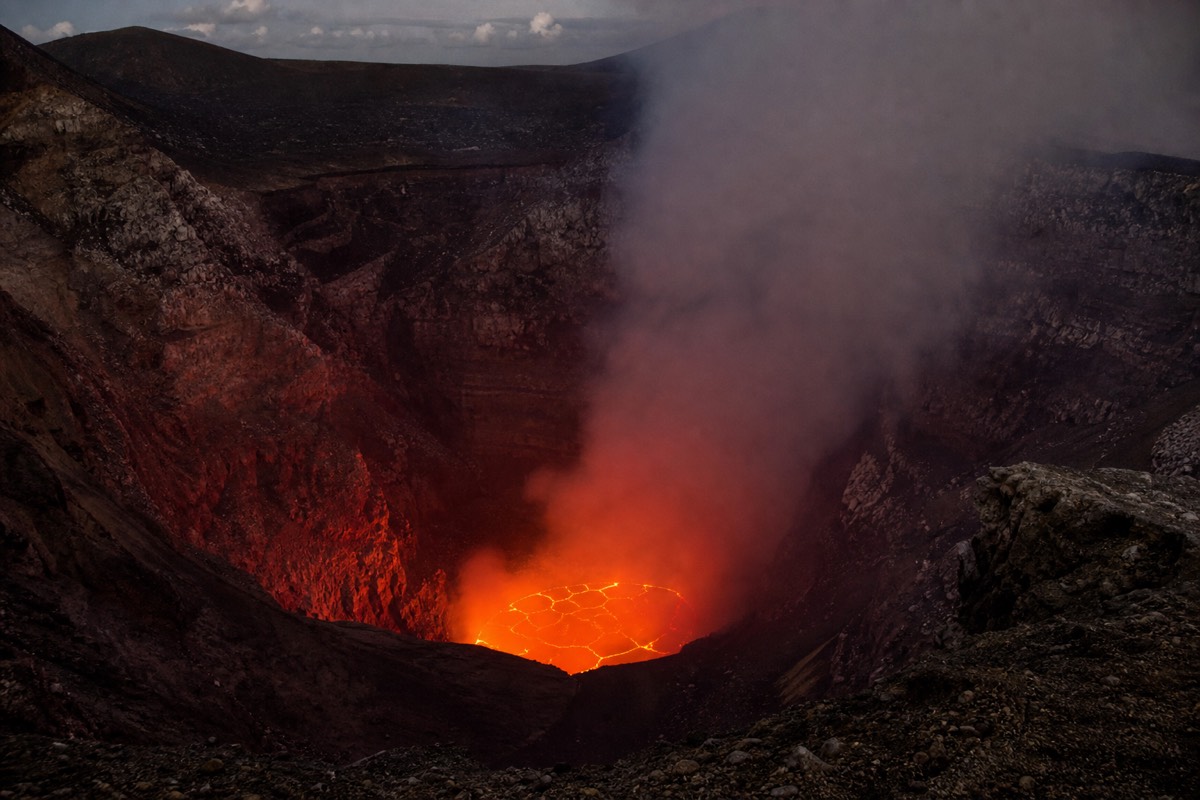
The friars even lowered men toward the glow, convinced the molten lava was gold. It was not, but the legend stuck, and the cross on the rim remains one of the site's signature images. This blend of real geology and colonial superstition is a big part of why the volcano keeps its grip on visitors' imaginations centuries later.
You Can Drive Right Up To The Rim
Accessibility built the fame as much as the lava did. Unlike volcanoes that demand a dawn climb, Masaya lets a road carry you almost to the crater edge, so the walk to the viewpoint is short. That easy access turns a serious active volcano into an outing almost anyone can add to a trip.
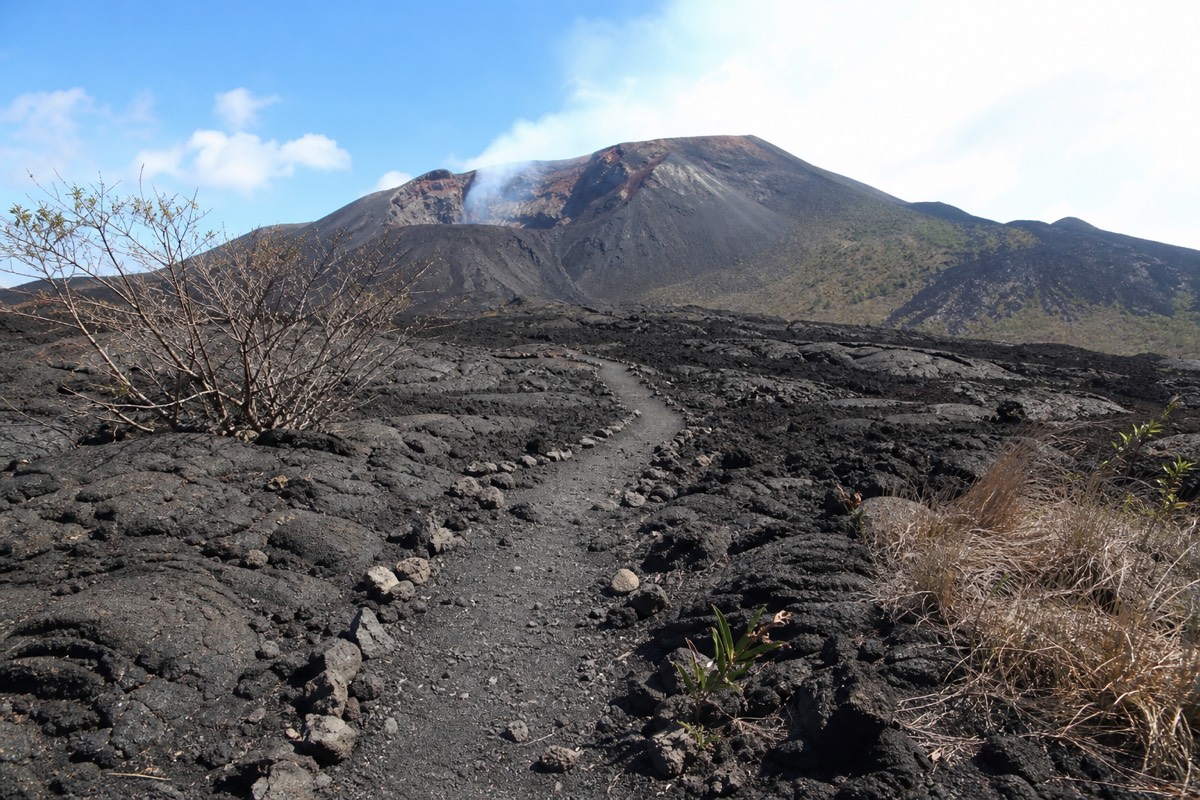
The trade-off is honesty about time: rangers keep the rim stop to roughly 5 to 15 minutes so groups rotate and no one lingers in the gas. Even so, a few minutes over an active lava lake beats hours of effort at most peaks. The crater sits within Masaya Volcano National Park, a short drive from Granada, which is why so many itineraries include it. A private lava-glow night tour or a full-day trip that also visits the white villages makes the stop effortless.
One Of Nicaragua's Most Active Volcanoes
Masaya is also famous simply for being busy. It ranks among the most active volcanoes in Nicaragua, a country studded with them, and it sits on a major tectonic boundary. Its steady venting and recurring lava-lake activity keep it in scientific reports and travel stories alike.
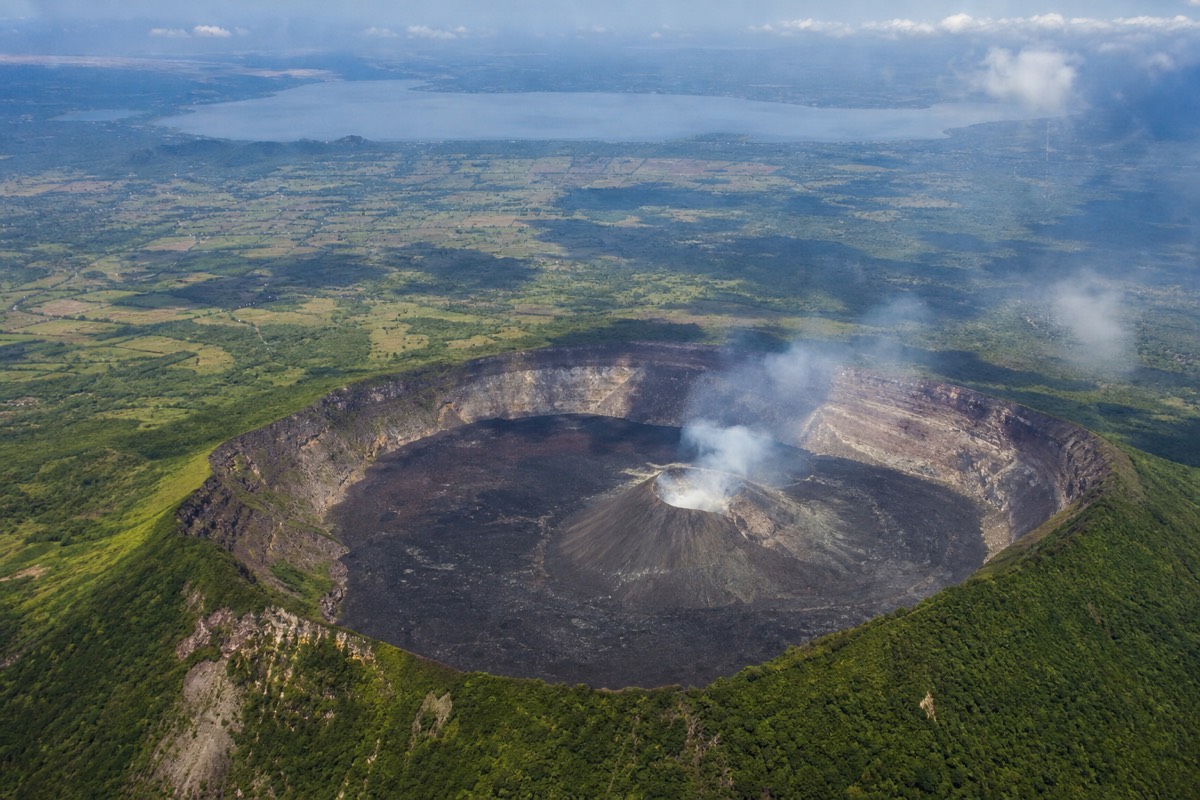
The volcano owes its energy to the Cocos Plate diving beneath the Caribbean Plate, the same process that lines up Central America's chain of volcanoes. That constant supply of heat is why the crater keeps smoking and the lake keeps returning. Curious whether it is still going? See whether the volcano is still active today. The exact booking option determines pickup, entry fees and the itinerary.