How Many Craters Does Masaya Volcano Have?
The park is one basin with many mouths. Here is the real crater count, what each one is, and which you can actually see on a visit.
Booking Choice: A short private evening visit with a guide and designated-area return transport. Explore Private Masaya Evening From Granada
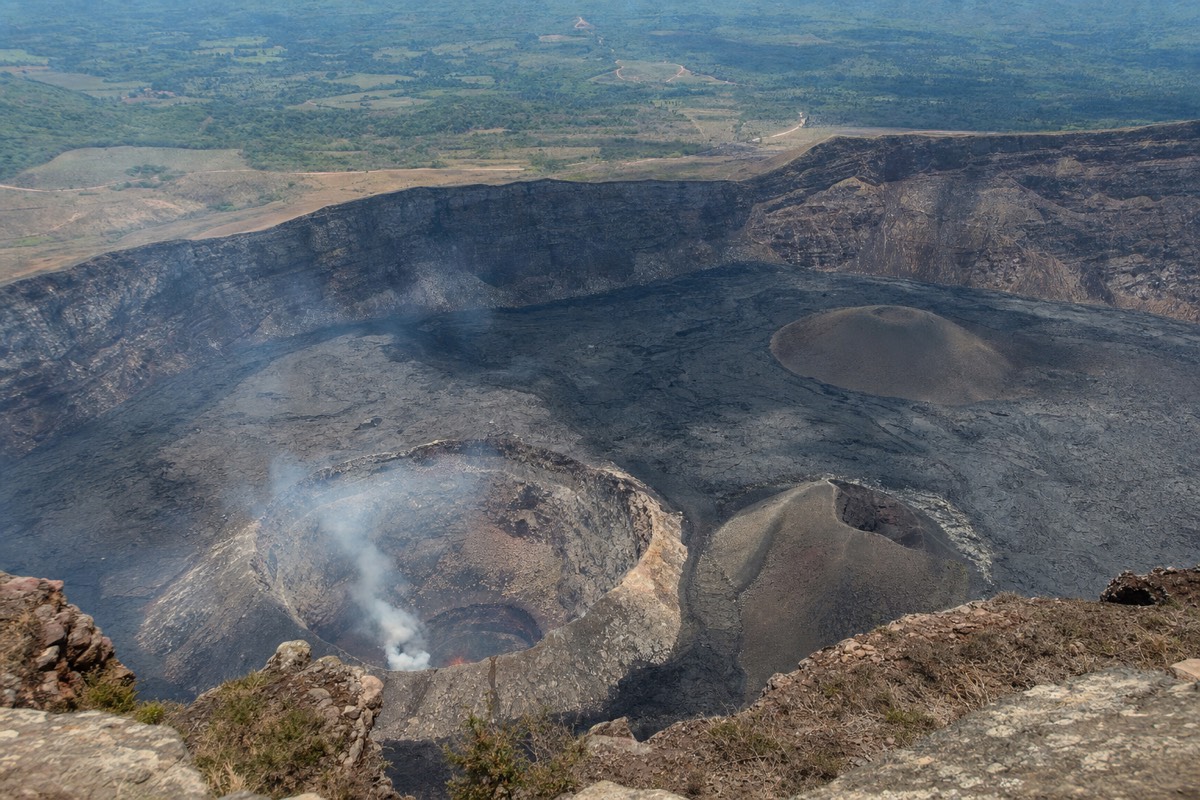
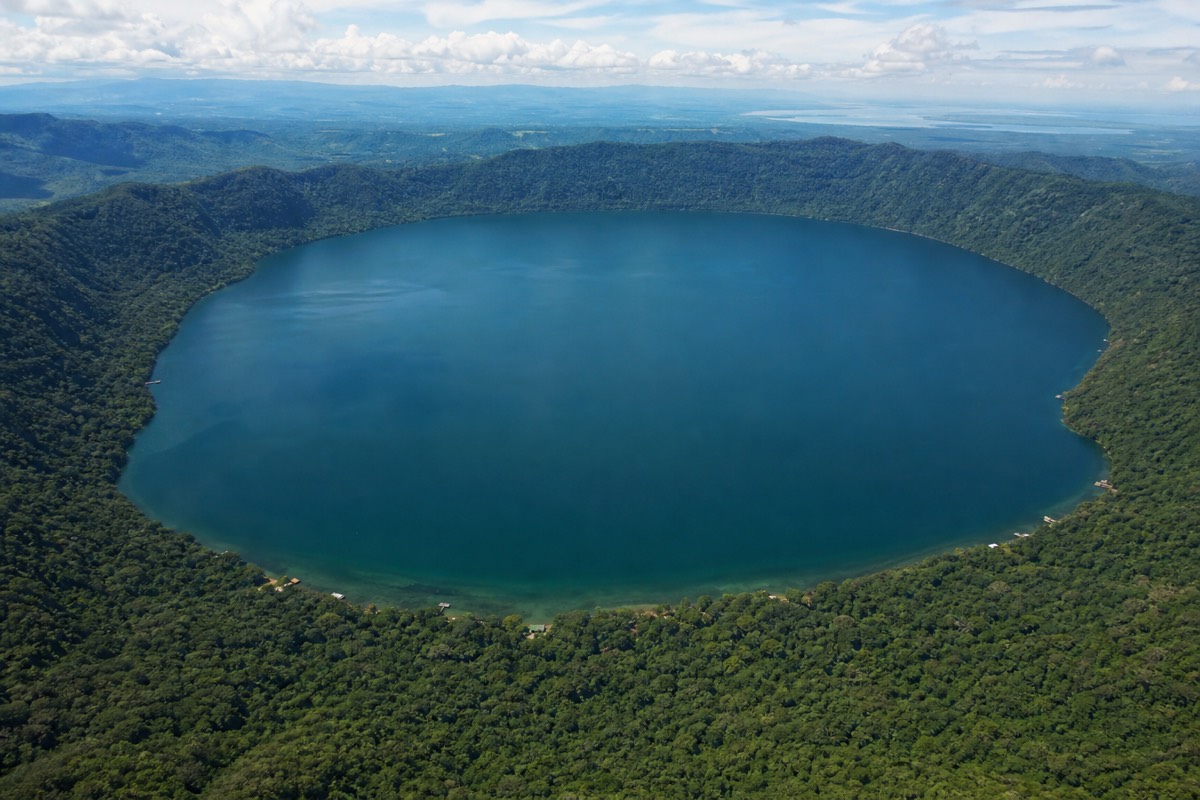
Masaya Volcano National Park sits inside a 54 km² basaltic caldera that holds two volcanoes and five craters. The best known is Santiago Crater, home to a rare, persistent lava lake that glows after dark. The other craters carry names like Nindirí, Masaya, San Pedro and San Fernando.
At A Glance: Choose your route and pickup first. A bookable tour does not guarantee park access or a lava view.
Access, visible lava, walking routes and opening hours can change. A scheduled tour is not confirmation of park access. Verify the current itinerary and closure terms before paying; ordinary masks do not filter volcanic gases.
Most people picture a single cone when they hear "Masaya," but the reality underfoot is a wide, collapsed basin dotted with vents. It is Nicaragua's oldest and largest national park, and its geology is why the map earns so many crater names. The exact booking option determines pickup, entry fees and the itinerary.
How Many Craters Does Masaya Volcano Have?
The park's caldera contains two volcanoes and five craters. Santiago is the active one, with its lava lake; the rest are dormant pits and older vents. Add the smaller El Comalito cone and the number of vents you can spot on the ground rises, but the standard count cited for the caldera is five craters.
The five craters usually named by reference sources are Santiago, Nindirí, Masaya, San Pedro and San Fernando, while the two overlapping shield volcanoes inside the basin are Masaya and Nindirí. The Smithsonian's Global Volcanism Program record for Masaya and the Masaya Volcano reference entry both describe the same nested set of vents formed as the caldera floor filled with lava and re-collapsed over time.
On the ground, only a couple of these are the stars of a visit. Santiago is where the road brings you, because that is where the gas plume rises and the lava lake sits. The others read more clearly from a map or from the air than from the rim.
| Feature | Type | What it is |
|---|---|---|
| Santiago | Crater | The active vent; holds the lava lake and the gas plume |
| Nindirí | Crater and volcano | Dormant; one of the two overlapping shield volcanoes |
| Masaya | Crater and volcano | Dormant; the second overlapping shield volcano |
| San Pedro | Crater | Dormant pit within the caldera |
| San Fernando | Crater | Dormant pit within the caldera |
| El Comalito | Small cone and vent | A smaller fumarolic feature, not counted among the five craters |
So the plain count is five craters and two volcanoes, with a scattering of smaller vents like El Comalito that a hiking route can reach. When a source says "many craters," this cluster is what it means.
What Is The Difference Between The Caldera And The Craters?
The caldera is the giant, roughly 54 km² bowl left when an older volcano collapsed in on itself. The craters are the smaller pits and vents that later opened inside that bowl. So the caldera is the stage, and the craters are the individual mouths that have erupted or vented within it.
This layered structure is common in long-lived volcanic systems, and it is why "Masaya" behaves less like one mountain and more like a cluster. When you drive into the park, you are already inside the caldera; the crater rims rise from its floor rather than towering over you. That flat approach is part of why the site is so accessible: you reach the edge of a live vent almost by car.
For the full ground-level picture of hours, fees and what the park contains, our complete Masaya Volcano National Park visitor guide lays it out section by section.
Which Crater Has The Lava Lake?
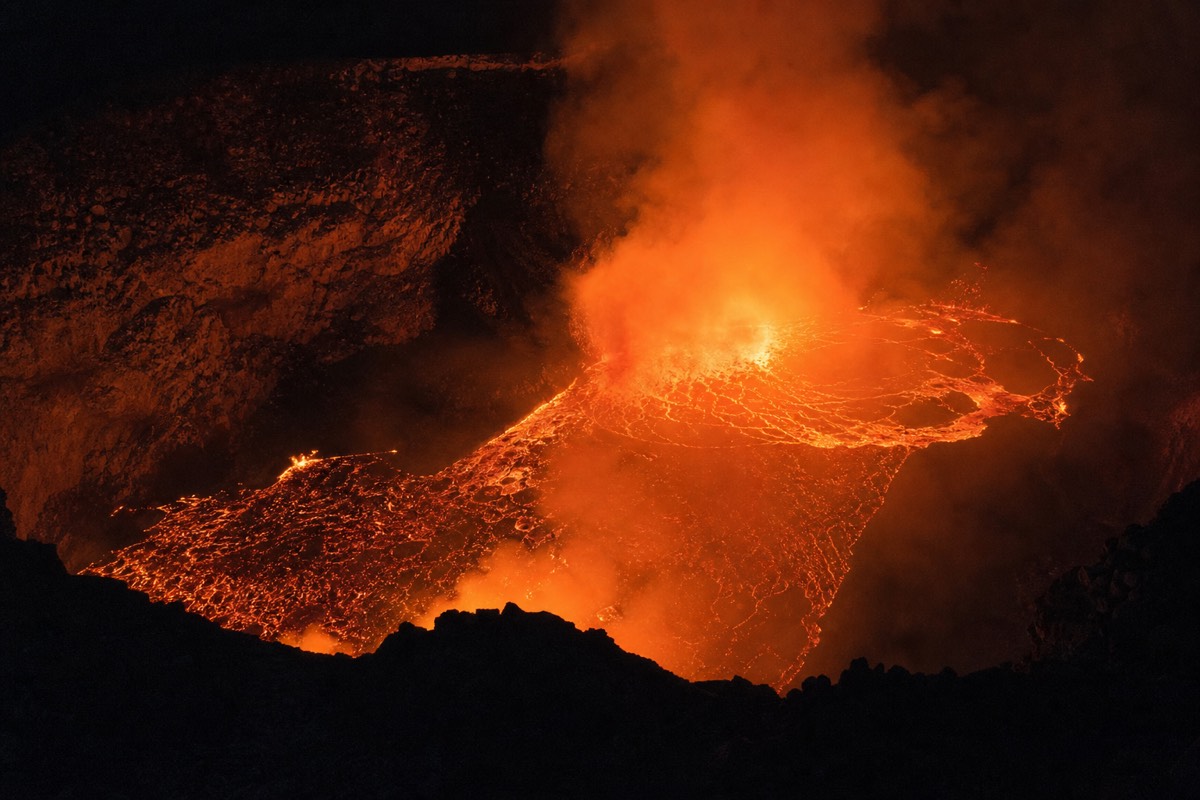
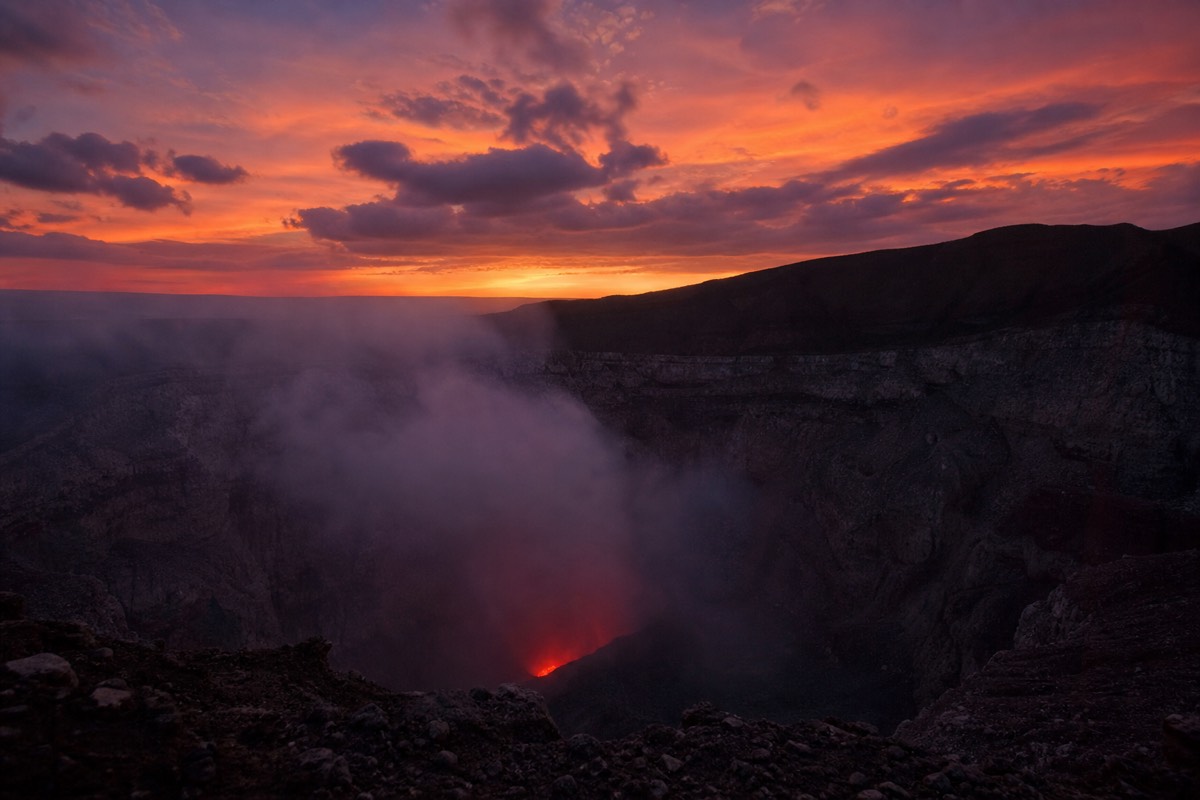
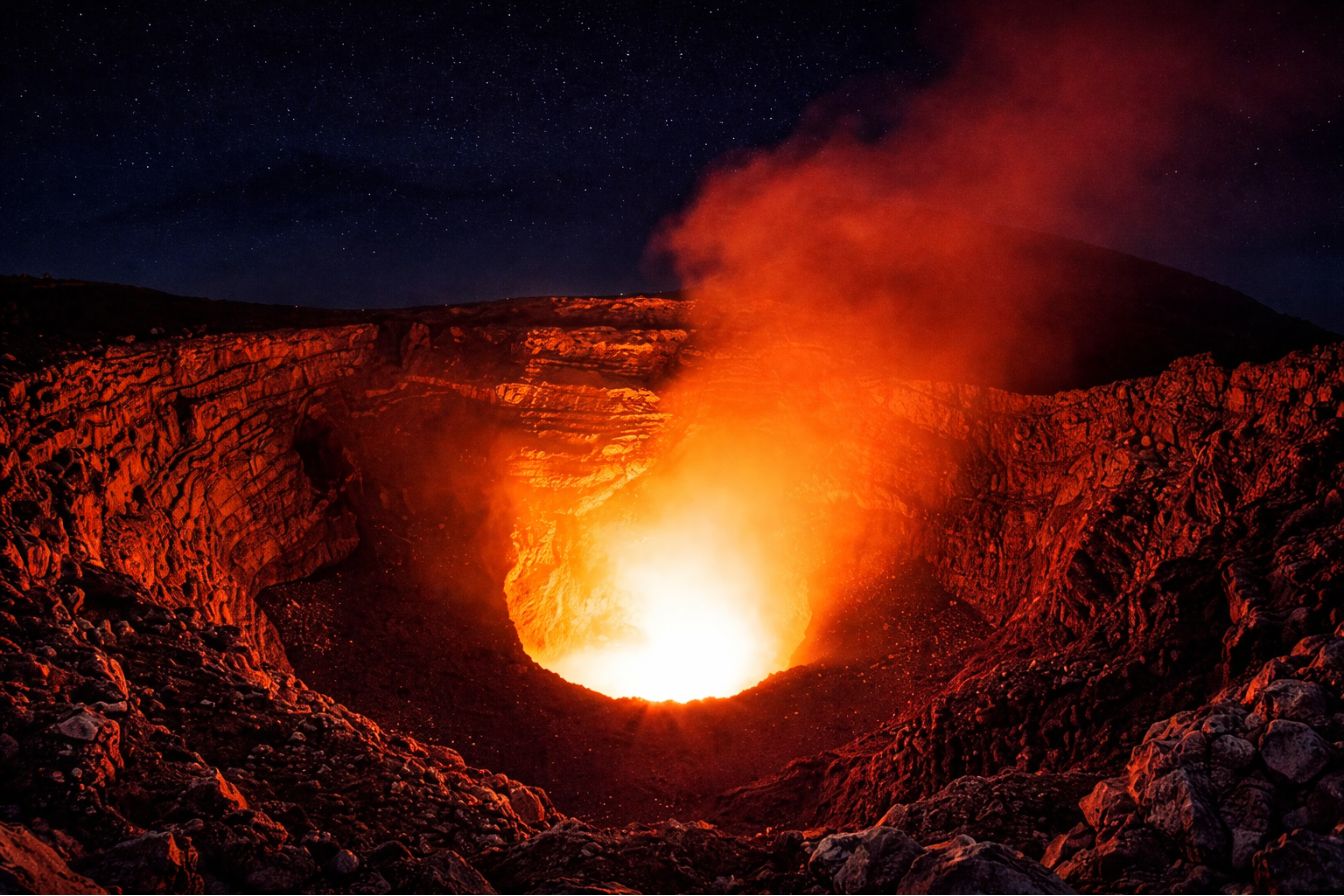
Santiago Crater holds the lava lake, one of only a handful of persistent lava lakes on Earth. It glows a deep orange after dark, which is the single reason the evening visit beats a midday stop: the same crater looks grey and smoky at noon, then molten once the light drops.
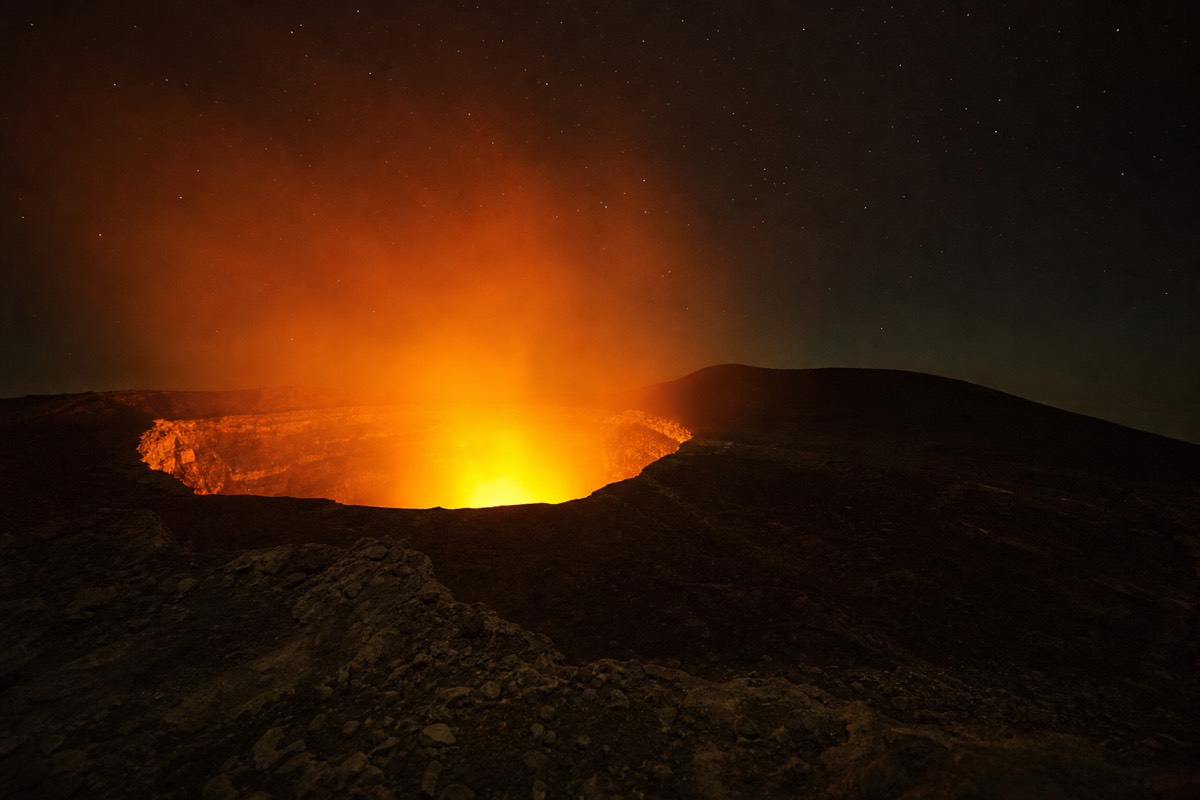
Be realistic about the rim time. On most tours the crater stop itself is short, roughly 5 to 15 minutes at the edge, because gas exposure is managed carefully and cars often park nose-out as a standard precaution. That short window is exactly why timing matters: you want to be there when the glow is strongest. That is the pull of the night tour to the glowing crater, which is built around the after-dark view rather than a daytime plume. If you would rather understand why the volcano is still glowing at all, our explainer on whether Masaya Volcano is still active covers the lava lake in detail.
Can You See All Five Craters On A Tour?
No. A standard tour brings you to the Santiago Crater rim and the visitor area; the other craters are not all reachable on foot. Guided hikes reach extra features like the El Comalito cone, the lava fields and a bat-cave lava tube, but the full set of five craters is more a geological map than a single walking route.
If you want to move beyond the rim viewpoint, the trails are the way to do it. Our Masaya Volcano hikes and trails guide walks through El Comalito, the bat cave and the crater paths. Trips that pair the park with the craft market and white villages, like the full-day art market and white villages tour, add culture around the geology, while the Granada colonial city and lava combination ties the crater glow to a colonial-city afternoon.
Why Does Masaya Have So Many Craters?
Masaya sits on the Central American Volcanic Belt, where the Cocos Plate slides beneath the Caribbean Plate and feeds a chain of volcanoes. Repeated eruptions, collapses and fresh vents over thousands of years built a nested caldera with a cluster of craters, rather than one tidy peak.
The Britannica entry on Masaya Volcano places it firmly in that setting, within Nicaragua's active volcanic zone. That long, restless history is also why the Spanish called it the "Mouth of Hell" and set a cross on the rim in the 16th century, a story we unpack in why Masaya Volcano is famous. More vents, more craters, one very active address.